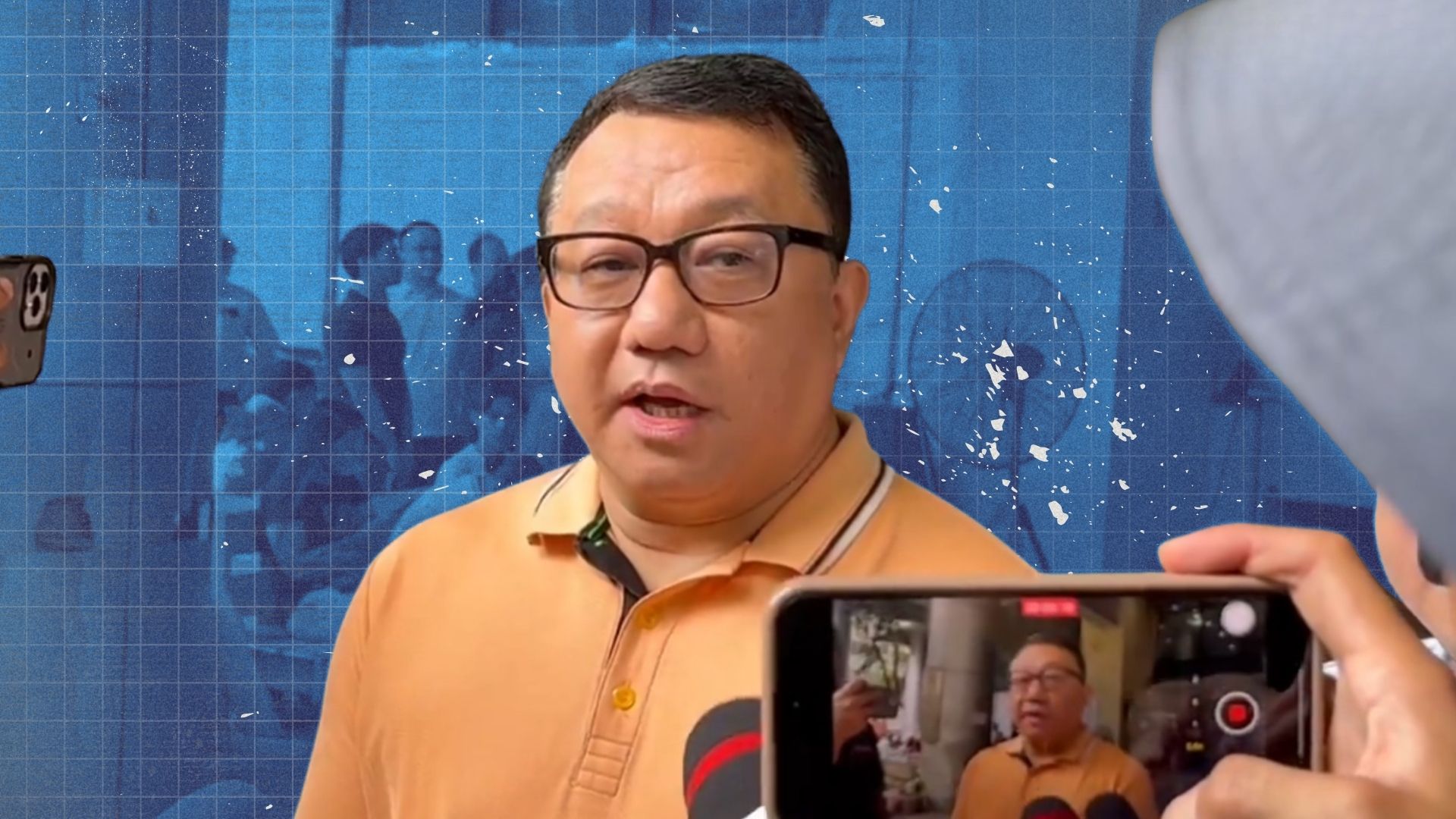
Rep. Joel Chua Says Complaint Against House Lawmakers Is 'Unprecedented'
Joel Chua Questions Complaint Against House Members
House prosecutor and Manila 3rd District Rep. Joel Chua described as "unusual" the complaint filed against several lawmakers over actions taken during a House committee hearing.
Speaking to reporters, Chua said that after more than two decades in the legal profession, he had never encountered a similar case.
"Twenty-two years na abogado, ngayon lang ako nakakita ng ganitong klaseng kaso."
The complaint stems from the disclosure of bank records during a hearing conducted by the House Committee on Justice.
Background of the Complaint
In April, former Supreme Court Senior Associate Justice Antonio Carpio filed complaints against several lawmakers in connection with the disclosure of bank records allegedly belonging to him and Vice President Sara Duterte during a committee hearing.
The complaint questions the actions taken by members of the committee during the proceedings.
The respondents have denied any wrongdoing.
Chua: Actions Were Part of Official Duties
Chua argued that the lawmakers were merely performing their official functions as members of Congress.
He questioned why legislators were being subjected to criminal complaints over actions taken during an official committee hearing.
According to Chua:
"Kailan pa naging criminal case ang hindi ka nag-opose sa committee hearing at nagbigay ka ng manifestation?"
He maintained that his participation consisted of making a manifestation during the proceedings and did not amount to criminal conduct.
Lawmakers Claim Harassment
Chua echoed the sentiments of other respondents, saying they believe the complaints were filed to pressure or harass lawmakers involved in the hearings.
He said:
"Ito'y talagang mga kaso na para lamang kami ay harasin."
Whether the complaints have sufficient legal basis will ultimately be determined through the proper investigative and judicial processes.
Due Process Will Determine the Outcome
The filing of a complaint does not automatically establish liability.
Under Philippine law, respondents are given the opportunity to answer allegations and present evidence before investigative bodies determine whether probable cause exists to pursue formal charges.
The case remains subject to legal review.
Final Thoughts
Rep. Joel Chua's remarks highlight the legal and constitutional questions surrounding congressional proceedings and legislative immunity.
As the complaints move through the legal process, the issue may further clarify the extent of lawmakers' responsibilities and protections when carrying out their official duties.
Bible Reflection
"The first to present his case seems right, until another comes forward and questions him." — Proverbs 18:17 (NIV)
Disagreements over legal and constitutional issues are best resolved through careful examination of facts and the rule of law. Justice requires that every party be heard before conclusions are reached.
Man-to-Man with Cong. Benny Abante: What Is the Real Objective Behind the 4th Impeachment Complaint?
February 22, 2026•3 min read
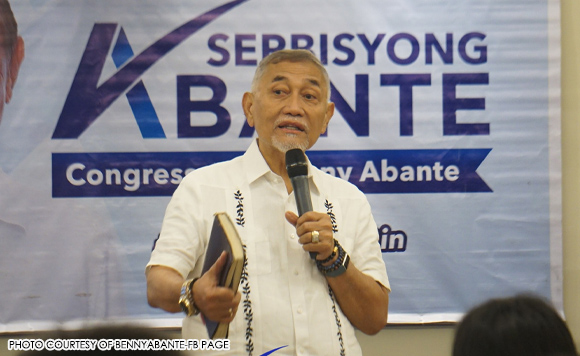
In an atmosphere thick with political tension, one question continues to surface:
What is the true objective behind the 4th impeachment complaint?
During a recent televised exchange, the question was asked directly — man-to-man, heart-to-heart — to Benny Abante.
No theatrics.
No ambush.
No hidden political color.
Just a straightforward question seeking clarity.
The goal was not confrontation — but understanding.
Why Ask the Question?
Impeachment is not an ordinary political tool.
It is a constitutional mechanism designed to address serious violations by high officials. Filing one complaint is already significant. Filing a fourth naturally raises public curiosity.
Citizens deserve to know:
Is this about accountability?
Is this about precedent?
Or is this about political positioning?
When impeachment becomes repetitive, skepticism grows.
The public begins to ask whether the process is being weaponized — or simply pursued relentlessly in pursuit of justice.
The Tone of the Exchange
The exchange was described as respectful and conducted in good faith.
There was no intent to insult.
No desire to provoke.
The emphasis was on civil discourse — something increasingly rare in today’s polarized political climate.
The interviewer openly acknowledged their political alignment. There was no attempt to disguise perspective.
Transparency builds credibility.
The Bigger Context
The 4th impeachment complaint does not exist in isolation.
It comes amid:
Ongoing national political realignments
Intensifying debates over governance
The looming shadow of the 2028 elections
Every impeachment action today inevitably intersects with tomorrow’s electoral calculations.
That is political reality.
But impeachment should not be reduced to strategy alone.
It is meant to stand on evidence and constitutional grounding.
The Public’s Role in Interpretation
Rather than declare conclusions, the invitation was simple:
“Nasa sa inyo na po ang pagsuri.”
In a democracy, interpretation belongs to the people.
Citizens are not passive spectators. They are jurors of political credibility.
When answers feel incomplete, voters remember.
When motives feel unclear, voters question.
And when sincerity is evident, voters respond.
Media Space and Pluralism
Acknowledgment was given to Bilyonaryo News Channel for allowing Duterte-aligned opinions to be aired on their platform.
This matters.
In a democratic society, media pluralism strengthens discourse.
Platforms that host opposing views demonstrate confidence in public discernment.
Political dialogue does not require uniform agreement.
It requires access to multiple perspectives.
Why the Question Matters
Impeachment is powerful.
It can:
Remove officials
Alter political trajectories
Reshape alliances
But repeated impeachment efforts risk fatigue and suspicion.
When impeachment becomes frequent, citizens may begin to ask:
Is this justice — or politics?
That question deserves to be asked without hostility.
And answered without evasion.
Civility and Conviction Can Coexist
The message emphasized something crucial:
It is possible to disagree firmly without disrespect.
Political debate does not require insults.
Conviction does not require hostility.
Strong questions can be asked calmly.
Sharp scrutiny can be delivered respectfully.
That balance strengthens democratic culture.
Bitin ang Usapan
Television time is limited.
Complex issues cannot always be fully unpacked within a segment.
The acknowledgment that the conversation felt “bitin” reflects the depth of the issue.
Impeachment is layered.
Motives are nuanced.
Political calculations are multi-dimensional.
A single exchange rarely resolves underlying tension.
Truth as the Standard
“Nawa’y manaig ang katotohanan.”
That closing line frames the entire discussion.
Truth — not faction — should prevail.
Impeachment must stand on:
Evidence
Legal grounding
Constitutional clarity
If it does, it strengthens institutions.
If it does not, it erodes trust.
Conclusion
The exchange with Cong. Benny Abante was not about scoring points.
It was about accountability in questioning.
The 4th impeachment complaint carries serious weight.
It deserves scrutiny.
It deserves explanation.
It deserves public examination.
Democracy thrives not when questions are silenced — but when they are asked openly, respectfully, and without disguise.
The public will decide how convincing the answers are.