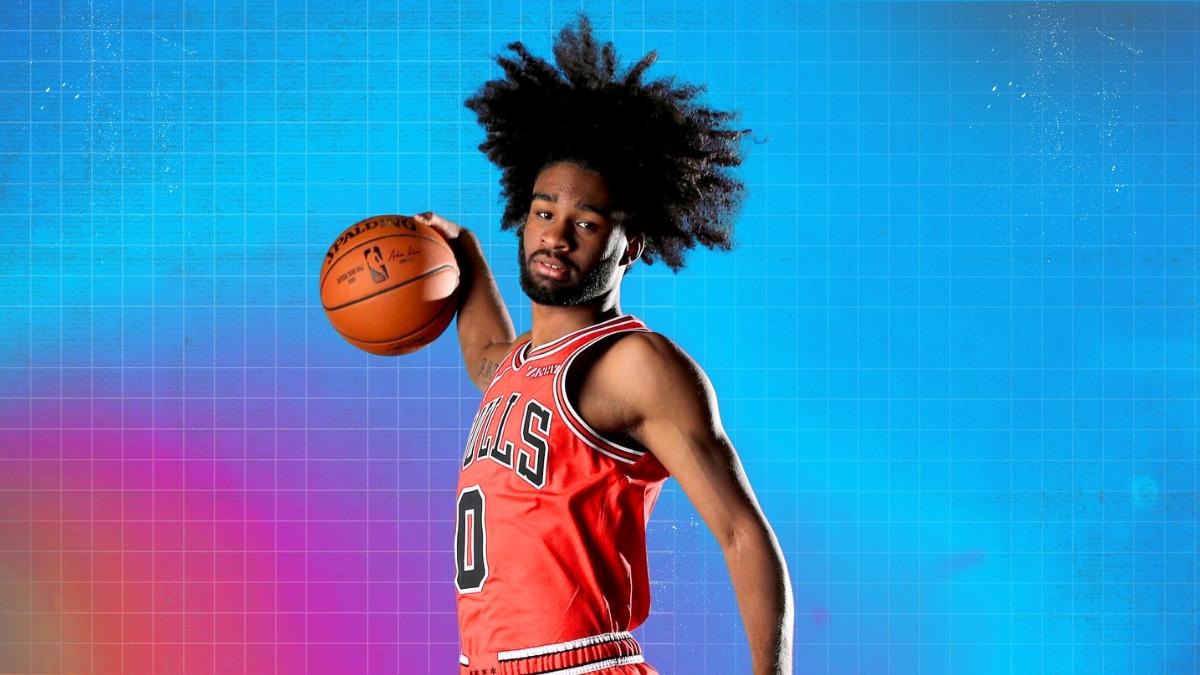
Report: Bulls Trade G Coby White, Mike Conley Jr. to Hornets
The NBA trade landscape shifted once again after reports confirmed that the Chicago Bulls have traded guards Coby White and Mike Conley Jr. to the Charlotte Hornets, signaling a major reset for both franchises.
For Chicago, the move represents a clear pivot. The Bulls have hovered in basketball limbo over the past few seasons—competitive enough to avoid the league’s bottom tier but lacking the consistency and star power to make a deep playoff run. Trading White and Conley suggests a willingness to reshuffle the backcourt and reassess the team’s long-term direction.
Coby White’s departure is particularly significant. Once viewed as a core piece of Chicago’s future, White developed into a reliable scoring guard capable of spacing the floor and providing instant offense. While his production fluctuated, his energy and youth made him a fan favorite. However, in a league increasingly driven by efficiency and defensive versatility, Chicago appears ready to explore new guard combinations or accumulate assets that better align with a broader rebuild.
Mike Conley Jr., on the other hand, brings veteran gravitas wherever he goes. A steady floor general with playoff experience, Conley’s leadership and composure have long been valued across the league. For the Bulls, his presence offered stability—but not necessarily acceleration. Moving Conley frees up minutes, cap flexibility, and developmental opportunities for younger guards while allowing Chicago to recalibrate its identity.
From Charlotte’s perspective, the trade is bold—and calculated.
The Hornets have been searching for structure and balance in the backcourt, and acquiring both White and Conley addresses immediate needs on multiple levels. White injects speed, shooting, and youthful upside, while Conley offers mentorship and on-court organization. It’s a classic blend of present value and future growth.
For a Hornets team still defining its competitive window, Conley’s experience could prove invaluable. His ability to manage tempo, set teammates up, and close games gives Charlotte a stabilizing force—something the franchise has often lacked in high-pressure moments. Even if Conley’s role leans toward mentorship rather than heavy minutes, his influence could elevate the entire roster.
White, meanwhile, gets a fresh start. In Charlotte, he may enjoy greater offensive freedom and a clearer role—conditions that often unlock a player’s best version. With fewer expectations tied to past narratives, White has a chance to redefine himself as either a primary scorer or a dynamic complementary piece.
League-wide, the trade reflects a broader NBA trend: teams choosing decisiveness over stagnation. Chicago’s willingness to move recognizable names suggests an understanding that incremental tweaks are no longer enough. Charlotte’s aggressive acquisition strategy, meanwhile, shows a desire to escape prolonged rebuilding and push toward relevance.
The unanswered question is what Chicago receives in return—draft capital, young prospects, or financial flexibility. Regardless of the exact return, the intent is evident: the Bulls are clearing the deck. Whether this signals a full rebuild or a strategic retooling will depend on what follows next.
For fans, the emotional reaction will be mixed. White’s energy and Conley’s professionalism were respected in Chicago. But in the NBA, loyalty often takes a backseat to direction—and this trade delivers clarity, even if it brings discomfort.
As for Charlotte, expectations rise immediately. With two experienced guards added to the mix, patience wears thinner. The Hornets are no longer just a “young team with potential”—they’re a team that made a statement.
One trade. Two franchises. Very different timelines.
The ripple effects won’t be fully understood until the games begin—but make no mistake, this move matters.