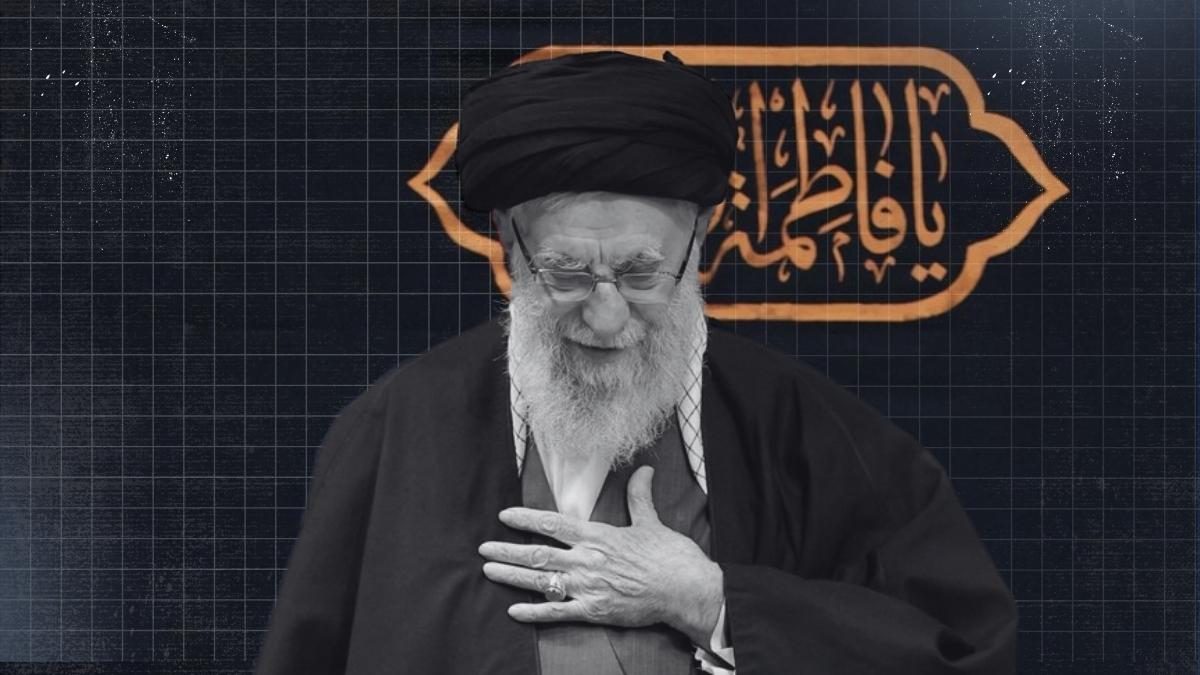
Iran’s Supreme Leader Ayatollah Ali Khamenei Killed in US-Israel Attack
According to a live update from BBC News, Iran has confirmed that its Supreme Leader, Ayatollah Ali Khamenei, has been killed in what is being described as a US-Israel attack.
This marks one of the most significant geopolitical developments in the Middle East in decades.
Iran Confirms Death of Supreme Leader Ayatollah Ali Khamenei Following US-Israel Strike
In a dramatic and historic development, Iran has confirmed that Supreme Leader Ayatollah Ali Khamenei has been killed following what officials describe as a joint US-Israel military attack.
The update was reported by BBC News in its live coverage, citing confirmation from Iranian authorities.
Ayatollah Khamenei, who has served as Iran’s Supreme Leader since 1989, was the highest political and religious authority in the country. His leadership shaped Iran’s domestic governance, foreign policy, military posture, and regional alliances for more than three decades.
The confirmation of his death is expected to trigger significant political, military, and economic consequences across the region and beyond.
What We Know So Far
Iranian authorities have confirmed the death.
The incident is linked to reported US-Israel military operations.
Details regarding the specific location, method, and immediate casualties remain limited.
Official responses from the United States and Israel are still emerging.
Given the scale of the development, global leaders are closely monitoring the situation.
Why This Is a Major Global Event
Ayatollah Khamenei was not only Iran’s Supreme Leader but also the commander-in-chief of its armed forces. He oversaw:
Iran’s Revolutionary Guard Corps (IRGC)
Regional proxy alliances
Nuclear policy direction
Strategic military decisions
His death creates immediate questions:
Who will succeed him?
Will Iran retaliate militarily?
How will global markets react?
Could this escalate into a broader regional conflict?
The Iranian constitution outlines a process for appointing a new Supreme Leader through the Assembly of Experts, but such a transition under crisis conditions could introduce instability.
Regional Implications
If confirmed in full detail, this development could:
Increase tensions across the Gulf.
Heighten risk of retaliation against US or Israeli interests.
Impact oil markets and global energy supply.
Lead to emergency UN Security Council sessions.
Countries across Europe, Asia, and the Middle East are expected to issue statements within hours.
A Turning Point Moment
The death of a sitting Supreme Leader in an external military strike would represent a turning point in modern Middle Eastern geopolitics.
For context:
Ayatollah Khamenei succeeded Ayatollah Khomeini in 1989.
He was central to Iran’s nuclear negotiations and resistance posture.
He remained one of the longest-serving heads of state globally.
The coming hours will determine whether this moment leads to escalation or a fragile recalibration of power.