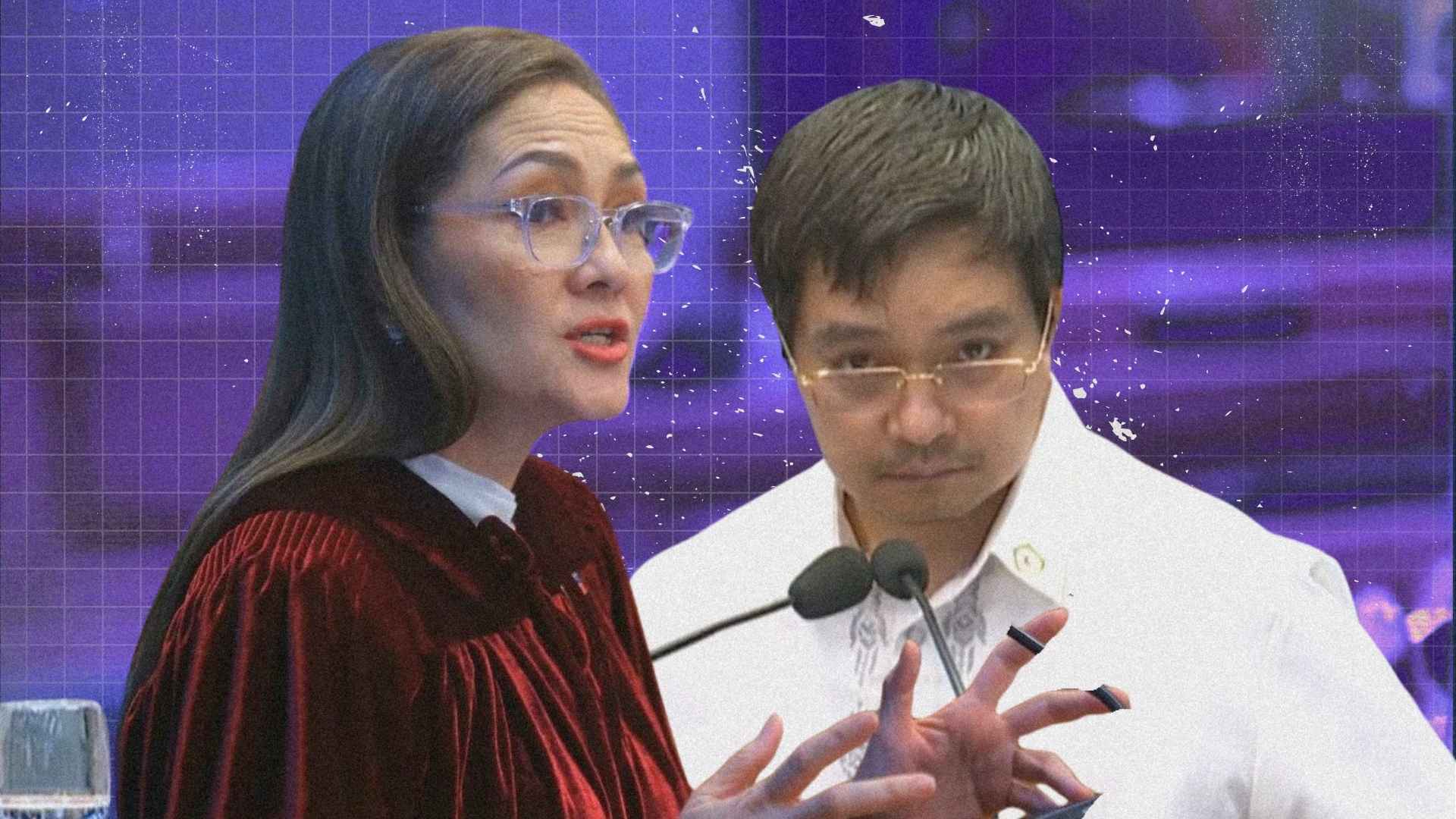
Risa Hontiveros Highlights Preventive Purpose of Grave Threat Law in VP Sara Duterte Impeachment Trial
Hontiveros Examines the Preventive Purpose of the Grave Threat Law
Senator-judge Risa Hontiveros questioned NBI BARMM Regional Director Jeremy Lotoc during the impeachment trial of Vice President Sara Duterte, focusing on the legal rationale behind punishing grave threats even if no actual physical harm is carried out.
The exchange centered on whether the law is designed not only to punish completed acts of violence but also to prevent disorder before violence occurs.
Admission Against Interest
At the start of her questioning, Hontiveros asked Lotoc about the evidentiary value of an admission against interest.
She asked whether such an admission carries significant weight under Philippine law.
Lotoc answered in the affirmative.
"Yes, Your Honor."
The discussion then shifted to the broader purpose of criminalizing grave threats.
"Why Does the Law Punish Grave Threats?"
Hontiveros asked why the law imposes penalties for grave threats even when no physical attack ultimately takes place.
Lotoc explained that the purpose extends beyond responding to completed crimes.
According to the NBI official, allowing people to freely make threats without legal consequences could undermine public order.
He testified that if such statements were ignored, people could openly threaten others, potentially leading to fear, disorder, and even anarchy.
Lotoc said the law seeks to preserve peace and order by discouraging such conduct before violence occurs.
A Preventive Function
Hontiveros then asked whether the law also serves as a deterrent.
Lotoc agreed.
According to the witness, the law carries preventive value by discouraging individuals from making threats that could provoke violence or public disorder.
The senator summarized this by asking whether the law is intended not only to cure wrongdoing after it occurs but also to prevent it.
Lotoc again answered in the affirmative.
Issue Remains Part of the Impeachment Debate
The exchange forms part of the prosecution's effort to explain why the alleged statements attributed to Vice President Duterte are relevant to the impeachment proceedings.
The defense, meanwhile, has consistently argued that the statements should be interpreted within their full context and has disputed the prosecution's characterization of the remarks.
The Senate Impeachment Court continues to hear testimony from both sides before the senator-judges deliberate on the constitutional issues raised in the Articles of Impeachment.
Reportorial Commentary
Senator Hontiveros' questioning focused on the legal principles underlying the offense of grave threats rather than on whether Vice President Duterte is criminally liable. The testimony sought to explain why the law treats threatening statements seriously even in the absence of actual violence, emphasizing their potential effect on public order.
Whether those principles ultimately support the constitutional allegations in the impeachment complaint remains a question for the Senate Impeachment Court. The senator-judges will determine the weight of the testimony alongside all other evidence presented by both the prosecution and the defense.
Bible Verse & Exegesis
"Blessed are the peacemakers, for they shall be called sons of God." — Matthew 5:9 (ESV)
Exegesis
Jesus' teaching in Matthew 5:9 emphasizes the value of preserving peace rather than allowing conflict to escalate. In civil society, laws intended to deter threats reflect the broader principle of preventing harm before it occurs. While courts must carefully determine whether legal standards have been met in each case, the pursuit of peace, justice, and order remains an enduring principle that benefits the whole community.
🚨 Political Watch | DOJ Junked Hontiveros Cyberlibel Case — A Clear Line on Free Speech
February 05, 2026•2 min read
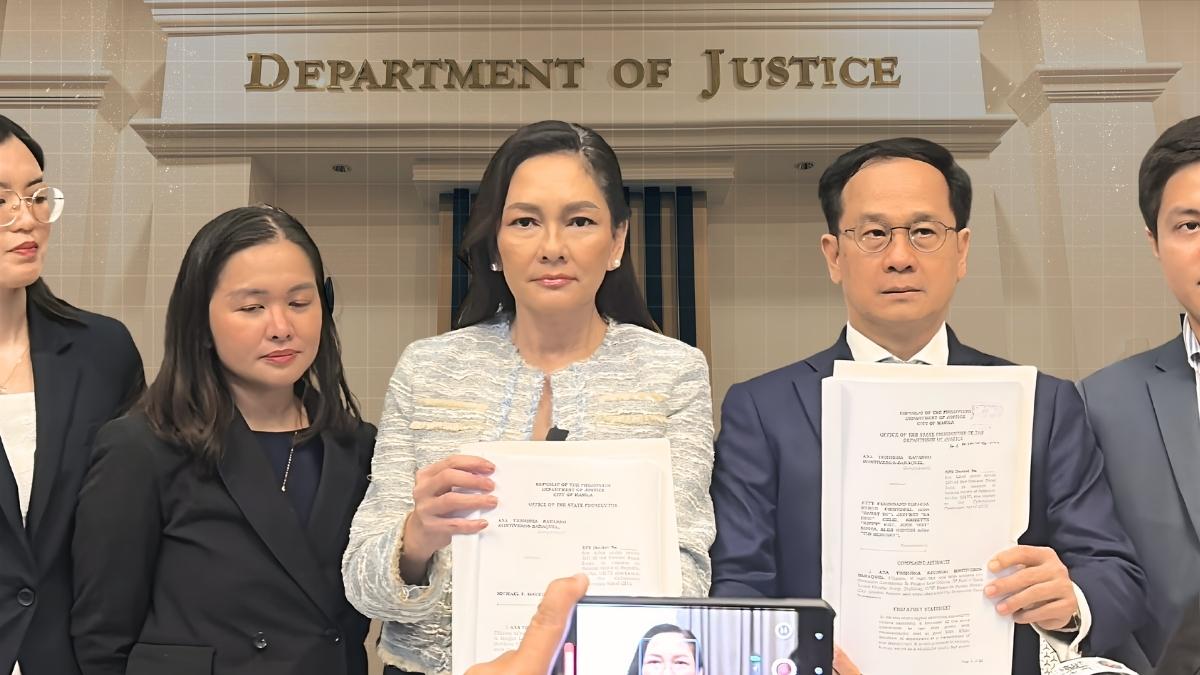
When the Law Draws the Line: DOJ Rejects Cyberlibel Case vs Critics
In a decision that reinforces the guardrails of free expression, the Department of Justice has dismissed the cyberlibel complaint filed by Risa Hontiveros against a lawyer and several social media personalities.
The ruling underscores a principle often tested in the digital age: public officials are subject to scrutiny, and criticism—especially on matters of public concern—does not automatically rise to the level of criminal libel.
What the DOJ Said (In Plain Terms)
According to the DOJ, the questioned posts failed to establish the elements of cyberlibel. The statements were deemed to fall within the ambit of commentary and opinion on public issues, not malicious falsehoods presented as fact. In short, the threshold for criminal liability wasn’t met.
This matters. Cyberlibel laws exist to protect reputations from calculated lies—not to chill dissent or silence uncomfortable commentary aimed at those in power.
Why This Decision Matters Beyond One Case
This ruling sends a broader message:
Public Office Comes With Public Scrutiny
Those who seek and hold power must accept robust—even harsh—criticism, especially when discussions involve governance, policy, or conduct.Opinion Is Not a Crime
The DOJ’s dismissal draws a bright line between defamation and opinionated speech. Disagreement, satire, and commentary—without demonstrable malice or falsehood—are protected.Cyberlibel Is Not a Shortcut
The decision cautions against using cyberlibel as a pressure tool against critics. Courts and prosecutors are increasingly wary of complaints that risk becoming instruments of intimidation.
A Win for Democratic Discourse
In a time when online debates are loud, messy, and often polarizing, this outcome affirms that the remedy to speech you dislike is more speech—not criminal prosecution.
Democracy doesn’t promise comfort; it promises space—for argument, critique, and accountability. The DOJ’s ruling helps preserve that space.
The Bigger Context
Across democracies, cyberlibel laws have faced criticism for their potential to muzzle critics. The Philippines is no exception. Decisions like this help recalibrate enforcement toward actual harm, not mere offense.
For journalists, lawyers, and everyday netizens, the takeaway is clear: critical commentary on public officials—when grounded in opinion or fair comment—remains protected.
What Comes Next
While the dismissal closes this chapter, it also sets expectations for future cases. Complainants must meet a high bar. Prosecutors will look closely at intent, falsity, and malice—not just hurt feelings.
That’s how the law should work.