
Robin Padilla Calls for Death Penalty Return After Brutal Murder of Motorcycle Rider
Robin Padilla Revives Death Penalty Call After Brutal Killing of Motorcycle Rider
The brutal killing of a motorcycle rider in Caloocan has once again reignited one of the country's most divisive debates—the return of the death penalty.
Senator Robin Padilla publicly renewed his appeal for Congress to restore capital punishment after authorities arrested the suspect accused of killing a rider before stealing his motorcycle.
The incident shocked many Filipinos not only because of its violence, but because the victim was reportedly working to provide for his family.
Padilla did not hide his emotions.
"Naririnig ko paulit-ulit sa tenga ko hanggang kaluluwa ko ang palahaw ng rider na ninakawan at pinatay nitong demonyo."
He added:
"Sa ganitong ganap na malinaw na kademonyohan! Buhay ang inutang, buhay ang kabayaran! Ibalik ang death penalty!"
A Crime That Sparked Public Outrage
According to police investigators, the suspect allegedly stabbed motorcycle rider Fabio Norberte Jr. using an ice pick before stealing his motorcycle.
Authorities have since arrested the suspect, who now faces robbery with homicide and carnapping charges.
The brutality of the crime quickly spread across social media, with many expressing sympathy for the victim's family while others renewed calls for tougher punishments against violent offenders.
For many Filipinos, crimes targeting ordinary workers strike an emotional chord because they involve people simply trying to earn an honest living.
The Return of an Old National Debate
Robin Padilla's statement immediately revived a long-running national conversation.
Supporters of the death penalty argue that severe punishment serves as a powerful deterrent against violent crimes. They believe criminals may think twice before committing murder if the ultimate consequence awaits them.
Others argue that justice should reflect the gravity of the crime, especially when innocent lives are taken.
However, critics continue to oppose the return of capital punishment.
Human rights organizations have consistently argued that wrongful convictions remain possible, and irreversible penalties leave no room to correct judicial mistakes. Others point out that stronger law enforcement, faster investigations, and more efficient courts may have a greater impact on reducing crime than harsher penalties alone.
Because of these differing views, the issue has remained politically and legally controversial for years.
Beyond Punishment
The tragedy also highlights broader questions that extend beyond the death penalty itself.
Many citizens continue to ask:
How can violent crimes be prevented before they happen?
Are law enforcement agencies equipped with enough resources?
Are criminal cases resolved quickly enough to discourage repeat offenders?
Can communities become safer through better policing, technology, and social programs?
These questions often accompany every major crime that captures national attention.
A Continuing National Conversation
The arrest of the suspect allows the criminal justice process to move forward, where evidence will ultimately determine legal responsibility.
Meanwhile, Robin Padilla's renewed call ensures that the debate over capital punishment will likely return to the halls of Congress.
Whether the Philippines should restore the death penalty remains a policy question that lawmakers—and ultimately the Filipino people through their democratic institutions—must continue to examine carefully.
The tragedy has reminded many Filipinos of the importance of both justice for victims and ensuring that the country's legal system remains fair, effective, and capable of protecting innocent lives.
Bible Reflection
Romans 12:19 (NIV)
"Do not take revenge, my dear friends, but leave room for God's wrath, for it is written: 'It is mine to avenge; I will repay,' says the Lord."
This verse reminds believers that while governments are tasked with administering justice under the law, personal vengeance belongs to God. In moments of public grief and outrage, the pursuit of justice should remain grounded in truth, due process, and the rule of law.
🚨 Political Watch | Ping Lacson: Substance of Blue Ribbon Report Stays
February 10, 2026•2 min read
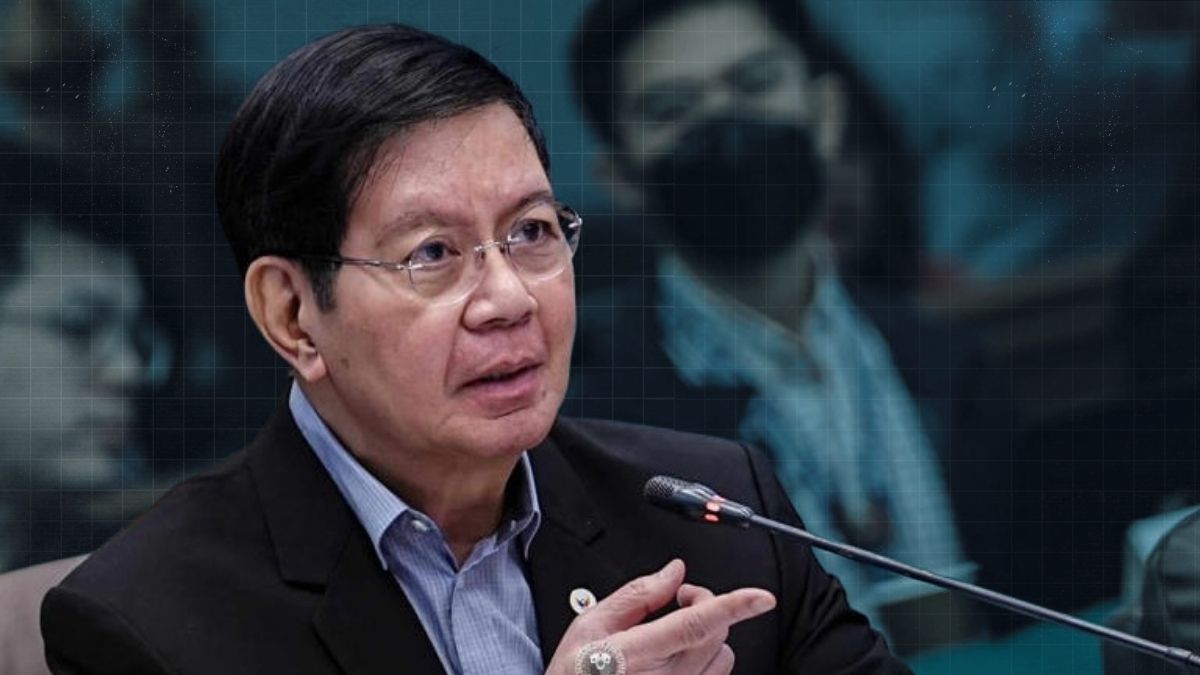
Edits May Happen—But the Findings Won’t Disappear
Senate President Pro Tempore Ping Lacson made it clear: the substance of the Senate Blue Ribbon Committee report will remain, even as revisions, clarifications, or refinements are made to the draft.
The statement addresses growing speculation that withdrawals of signatures or edits could weaken—or even erase—the report’s core findings on alleged flood control anomalies. Lacson pushed back on that narrative, emphasizing a crucial distinction in legislative investigations: form can change; substance should not.
What “Substance Stays” Actually Means
In committee practice, drafts are living documents. They are revised to:
correct language,
align conclusions with evidence,
incorporate dissenting views,
and ensure procedural compliance.
But Lacson underscored that these changes do not amount to abandoning the report’s factual backbone. Testimonies, documents, and validated records that underpin the inquiry do not vanish because of edits.
In other words, polishing the report does not negate what the committee learned.
Context: Flood Control Under the Microscope
The Blue Ribbon Committee has been probing alleged irregularities in flood control projects—an issue that resonates deeply with the public, given the human and economic costs of flooding. The investigation drew on:
budget records,
project lists,
witness testimonies,
and inter-agency data.
As scrutiny intensified, political pressure followed—inside and outside the Senate. That pressure often manifests at the drafting stage, where wording choices carry legal and political consequences.
Why Drafts Become Flashpoints
Draft reports are magnets for controversy because they:
name systems and patterns,
sometimes mention powerful figures,
and foreshadow accountability pathways.
When signatures are withdrawn or edits proposed, the public can misread the process as backtracking. Lacson’s message seeks to reset expectations: process corrections are not retreats.
Institutional Integrity vs. Political Noise
Lacson framed his stance as institutional, not personal. The committee’s credibility depends on two things:
Accuracy — conclusions must match evidence.
Durability — findings must withstand scrutiny.
By insisting the substance stays, Lacson signaled resistance to watering down conclusions for convenience. At the same time, he acknowledged the Senate’s duty to refine language so the report can stand as an official record.
What This Means for Accountability
A finalized report—substantively intact—can:
inform policy reforms,
guide executive action,
and provide reference for oversight bodies.
It does not automatically produce indictments. But it does shape the accountability ecosystem, especially when it documents systemic weaknesses or recurring practices.
Public Takeaway
For citizens watching closely, Lacson’s line is simple: don’t confuse editing with erasing. Legislative reports are strengthened—not weakened—when they are tightened without abandoning their core findings.
What Happens Next
The committee will continue:
reconciling language,
resolving objections,
and moving toward adoption.
When the report is finalized, debate will shift from how it was written to what it demands be fixed.
Quiet takeaway: In oversight, the truth isn’t fragile—it’s refined.
Politikanta Minute jab (clean):
Palit-salita pwede—palit-laman, hindi.
Bible verse anchor:
Proverbs 12:19 — “Truthful lips endure forever, but a lying tongue lasts only a moment.”