Robin Padilla Denies Ignoring Ombudsman Order, Says He Filed His Counter-Affidavit
Robin Padilla Rejects Allegation That He Ignored the Ombudsman
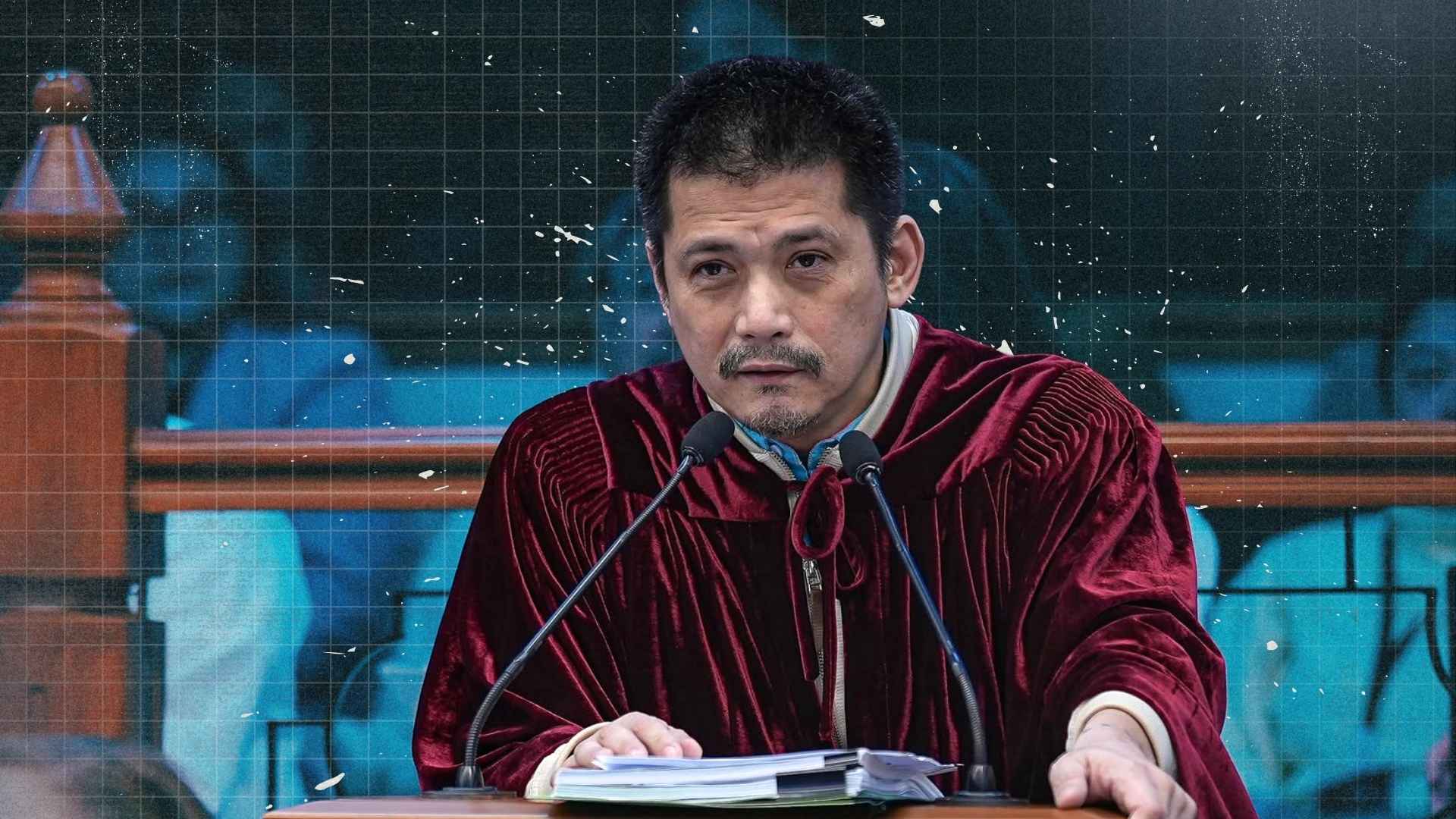
During the impeachment proceedings, Senator-judge Robin Padilla took the floor to address reports claiming that he failed to comply with an Ombudsman directive requiring him to submit a counter-affidavit.
Padilla described the allegation as both inaccurate and damaging, especially given his role as a senator and member of the Senate Impeachment Court.
"I Respect the Ombudsman"
Padilla said he was saddened by reports suggesting that he had disregarded the law.
He explained that while he has publicly expressed opposition to the jurisdiction of the International Criminal Court (ICC), his position should not be confused with his attitude toward Philippine institutions.
According to Padilla:
"Kung ICC lang, hindi po talaga ako susunod... Pero dahil ginagalang ko ang Ombudsman, nag-file po kami."
He emphasized that he recognizes and respects the authority of the Office of the Ombudsman.
Presentation of the Original Document
To support his statement, Padilla held up what he said was the original copy of his counter-affidavit before the Senate.
He told his fellow senators that he brought the original document because he considers original records important.
He also offered to provide copies to his colleagues as proof that he had complied with the Ombudsman's directive.
Appeal to the Media
The senator also expressed disappointment with some media reports that, in his view, portrayed him as someone unwilling to follow the law.
He said such reports created the impression that a sitting senator and senator-judge had ignored a lawful directive.
Padilla appealed for opportunities to explain his side before conclusions are reached.
According to him, public officials should also be given a fair chance to respond to allegations made against them.
A Call for Fairness
Padilla likewise asked Senate leaders to help ensure that senators are given an opportunity to clarify issues involving them whenever such matters become part of public discussion.
His remarks focused on protecting his reputation while emphasizing that he had complied with the legal process required by the Ombudsman.
Conclusion
Senator Robin Padilla maintained that he did not ignore the Ombudsman's directive and insisted that he had already submitted his counter-affidavit.
By presenting what he identified as the original filing, Padilla sought to counter reports suggesting otherwise and urged both the media and the public to consider verified facts before making judgments.
The Office of the Ombudsman and other concerned institutions will continue to address the matter according to the applicable legal processes.
Bible Reflection (Exegesis)
"The one who states his case first seems right, until the other comes and examines him." — Proverbs 18:17
This proverb highlights the importance of hearing all sides before reaching a conclusion. In legal and public proceedings, fairness requires that allegations be tested through evidence and that those accused have an opportunity to respond. The principle encourages careful judgment based on verified facts rather than initial impressions alone.
🚨 Political Watch | Drilon: Impeachment vs VP Duterte Is Political—Not Just Judicial
February 10, 2026•2 min read
Process or Power? Drilon Says Impeachment Is Inherently Political
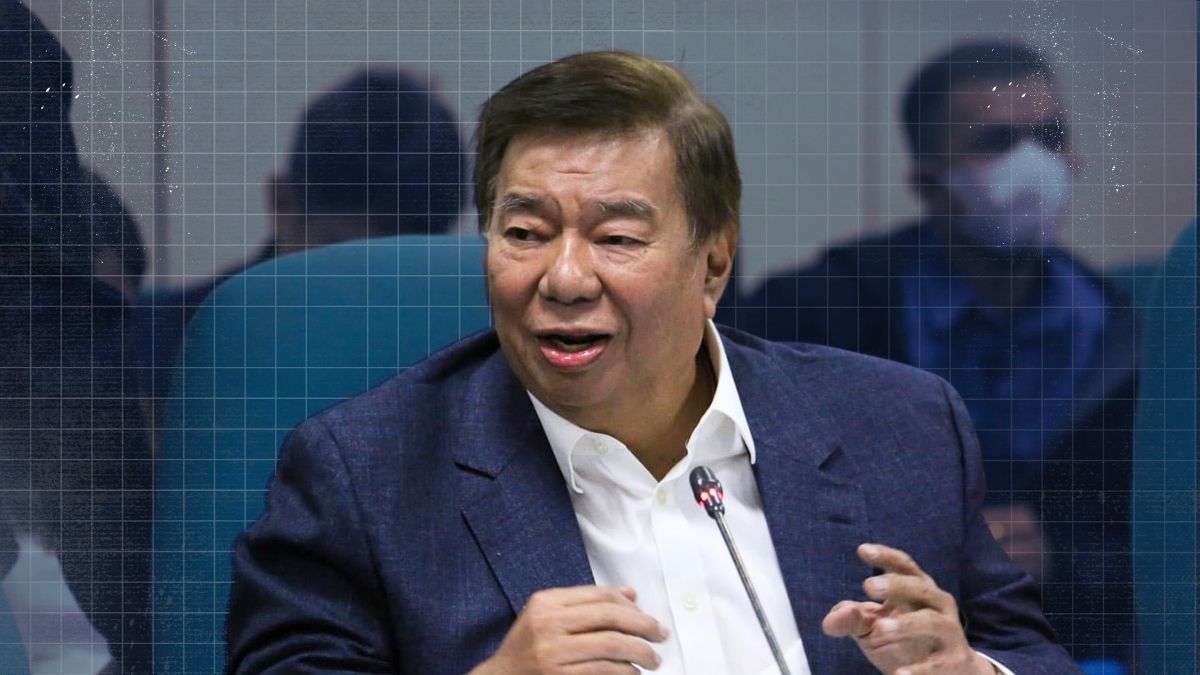
Former Senate president Franklin Drilon weighed in on the renewed talk of impeachment against Vice President Sara Duterte, saying the move is political in nature, not purely judicial.
Drilon’s point cuts to the heart of impeachment debates: while impeachment uses legal language and procedures, it is ultimately a political remedy—initiated by elected officials and decided by votes, not judges alone.
Why Drilon’s Framing Matters
Impeachment is often discussed as if it were a court trial. Drilon reminds the public that it isn’t. Unlike criminal cases:
evidence thresholds differ,
motivations include policy and confidence,
outcomes hinge on political judgment.
This distinction matters because it explains why impeachment discussions surge alongside power struggles, leadership shifts, and electoral timing. In short, context drives impeachment as much as conduct.
Judicial Elements—But Political Control
Drilon acknowledged the judicial features—rules of evidence, oaths, trial procedures—but stressed that the decision to impeach and convict is controlled by political actors. Senators sit as judges, yet remain accountable to constituencies and coalitions.
That dual role creates tension: due process on one hand, political accountability on the other. Drilon’s assessment is a reminder that impeachment is a constitutional safety valve, not a criminal shortcut.
Why VP Duterte Is at the Center
Any impeachment talk involving a sitting vice president carries outsized implications:
succession questions,
institutional stability,
national polarization.
Supporters argue that impeachment should be grounded in clear violations; critics warn that weaponizing impeachment risks destabilizing governance. Drilon’s comment doesn’t endorse impeachment—it contextualizes it.
A Reality Check for the Public
Public discourse often asks, “Is there enough evidence?” Drilon reframes the question: “Is there political will?” In impeachment, evidence may be necessary, but it is never sufficient without votes.
That reality explains why many impeachment efforts stall—despite noise, documents, or hearings. The bar is not just legal plausibility; it is political consensus.
What This Means Going Forward
Drilon’s remarks suggest several takeaways:
Expect impeachment talk to ebb and flow with political tides.
Courts will not decide impeachment outcomes—legislators will.
Stability depends on restraint as much as procedure.
For VP Duterte, the comment underscores a key defense: politics, not proof alone, drives impeachment momentum. For institutions, it’s a caution against conflating judicial certainty with political action.
Quiet takeaway: Impeachment speaks the language of law—but answers to the language of power.
Politikanta Minute jab (clean):
Kung korte ang hanap, bakit boto ang bilang?
Bible verse anchor:
Proverbs 20:3 — “It is to one’s honor to avoid strife, but every fool is quick to quarrel.”