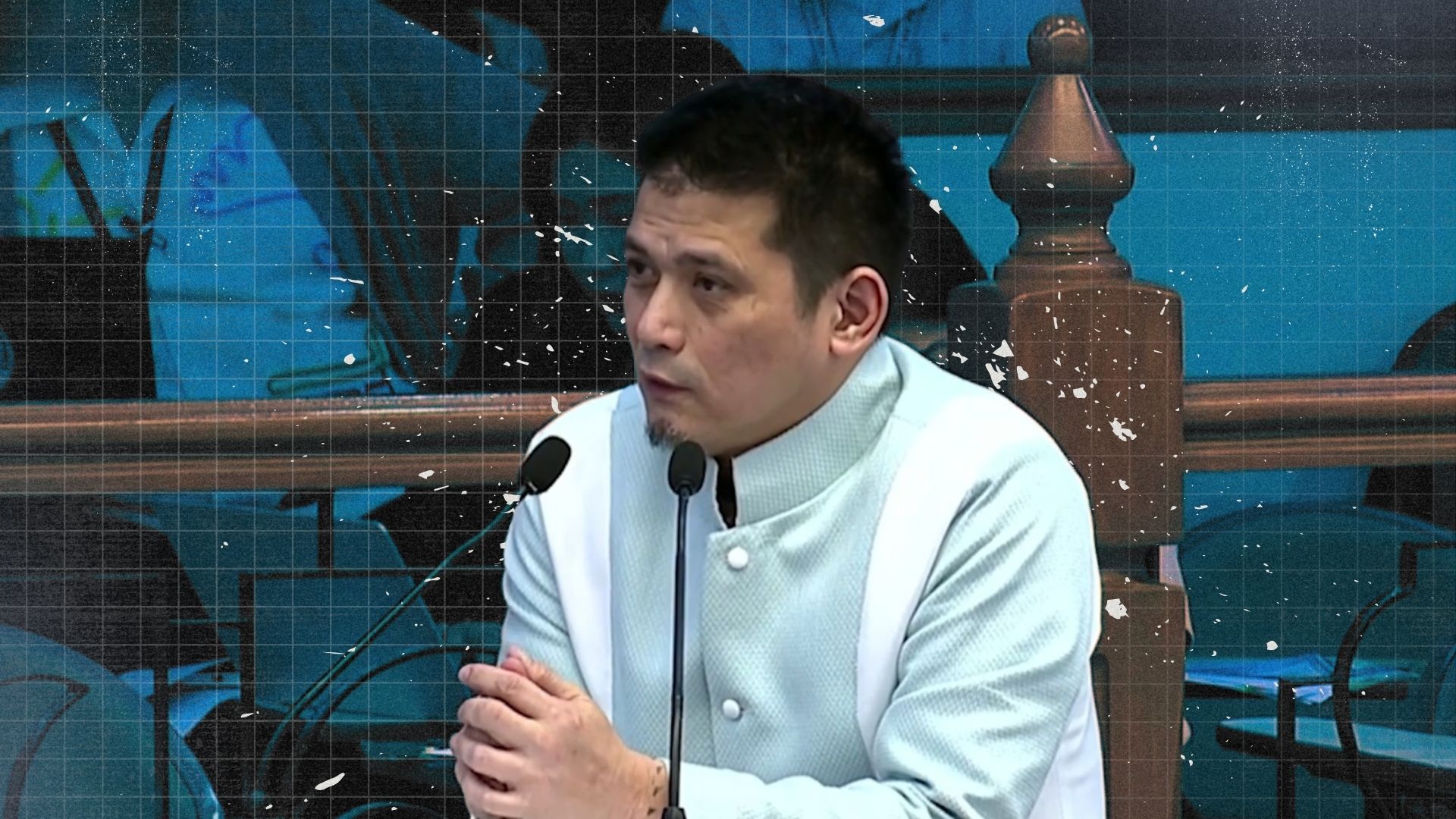
Robin Padilla, Eli San Fernando, and Perci Cendaña Unite to Push for P85 Wage Hike
Lawmakers From Different Parties Unite for Wage Increase
Senator Robin Padilla, Kamanggagawa Party-list Rep. Eli San Fernando, and Akbayan Rep. Perci Cendaña joined forces in support of the proposed P85 wage hike for Filipino workers.
Despite belonging to different political parties and often holding opposing positions on national issues, the three lawmakers appeared together during activities supporting the wage increase.
Padilla described the effort as an example of setting aside political differences in favor of a common cause affecting workers.
March Held Following TRO
According to Padilla, the lawmakers joined labor groups in marching to the Pasig Regional Trial Court (RTC) following the issuance of a Temporary Restraining Order (TRO) affecting the implementation of the proposed wage increase.
The demonstration sought to express support for workers while urging that the P85 wage increase move forward.
Labor advocates argue that higher wages are necessary to help workers cope with rising living costs.
A Rare Bipartisan Moment
Political observers often note that cooperation across party lines is uncommon on many national issues.
In this instance, lawmakers from different political backgrounds appeared together in support of a shared labor objective.
Padilla emphasized that although they hold different political beliefs, they were united in advocating for Filipino workers.
Debate Over the Wage Increase Continues
The proposed P85 wage hike has generated discussion among labor organizations, business groups, and policymakers.
Supporters argue that higher wages are needed to address inflation and improve workers' purchasing power.
Some employer groups, however, have raised concerns about the potential impact on business costs and employment, while the legal issues surrounding the TRO continue to be addressed.
Why This Story Matters
The issue affects millions of Filipino workers and employers nationwide.
The appearance of lawmakers from different political parties at the same event highlights how labor concerns can bring together officials with differing political views.
The outcome of the legal proceedings concerning the TRO may influence when and how any wage adjustment is implemented.
Key Takeaways
Robin Padilla, Eli San Fernando, and Perci Cendaña jointly supported the proposed P85 wage hike.
The lawmakers joined workers in a march following the issuance of a Temporary Restraining Order.
Padilla said political differences were set aside to support a common labor cause.
The proposed wage increase remains subject to ongoing legal proceedings.
Frequently Asked Questions
Why did the lawmakers march together?
They joined labor groups in supporting the proposed P85 wage increase and calling for its implementation following the issuance of a TRO.
What is the P85 wage hike?
It is a proposed increase in wages intended to provide additional income for workers. Its implementation is currently subject to legal proceedings.
Does the lawmakers' support mean the wage hike has taken effect?
No. The proposal remains affected by the legal process, including the Temporary Restraining Order.
Editorial Note
This article reports statements made by Sen. Robin Padilla and describes public activities related to the proposed P85 wage increase. The legal status of the wage hike remains subject to ongoing court proceedings, and no final judicial determination has been announced regarding the TRO.
“Robin Padilla Defends Mao Aplasca After Senate Incident”
May 20, 2026•5 min read
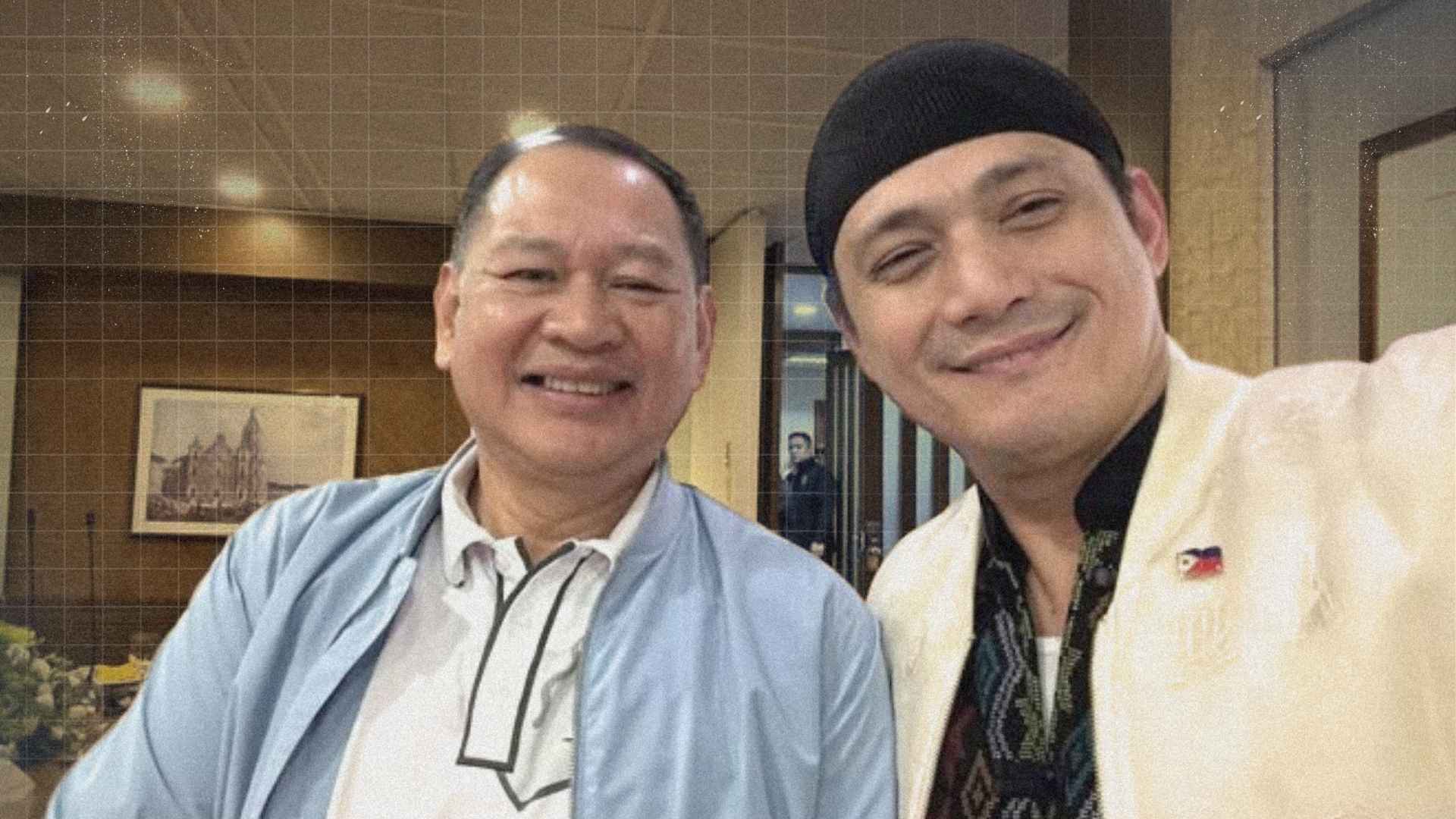
“‘Siya ang Nagsagip ng Buhay’” — Robin Padilla Defends Senate Sergeant-at-Arms Amid Senate Chaos
Fresh political debate erupted online after Robin Padilla strongly defended Senate Sergeant-at-Arms M/Gen Mao Aplasca following the controversial Senate incident involving warning shots and tensions surrounding the alleged warrant operation against Senator Ronald dela Rosa.
In a social media statement, Padilla described Aplasca as the person who allegedly prevented a far worse outcome during the chaotic situation.
“Ang taong ito ang nagsagip sa mga buhay ng nasa loob at labas ng Senado,” Padilla stated.
That statement immediately spread across social media, intensifying already heated discussions regarding the Senate incident.
Supporters interpreted Padilla’s remarks as recognition of security personnel acting under extreme pressure to prevent violence inside a sensitive government institution.
Critics, however, continued questioning why the situation escalated to the point where warning shots were fired at all.
And once again, the controversy evolved beyond operational security into a national political conversation.
According to Padilla, both the warning shot from Aplasca and the warning shot allegedly coming from the NBI side helped calm the situation by proving that both sides were “friendly forces.”
Padilla also blamed the escalation on poor coordination and communication between leaders from both sides.
That explanation quickly became another major point of online debate.
Here’s what this really means…
This controversy is no longer only about warning shots.
It is now about responsibility, coordination, and institutional trust.
For many Filipinos watching online, the bigger question is no longer simply who fired what.
It is:
Why did the situation deteriorate to that level inside the Senate itself?
That question matters deeply because the Senate symbolizes national stability and democratic order.
When confusion, armed tension, and conflicting narratives emerge inside such institutions, public anxiety naturally increases.
Padilla’s framing of the incident also changes the narrative significantly.
Instead of portraying the warning shots purely as reckless escalation, he framed them as actions that may have prevented panic, misidentification, or even possible bloodshed.
For supporters, that perspective paints the Sergeant-at-Arms as someone attempting to regain control during a rapidly escalating situation.
For critics, however, the very existence of warning shots inside a major government institution remains alarming regardless of intention.
This raises a bigger issue…
Has the Philippine political climate become so tense that even coordination failures between government agencies now risk becoming national security controversies?
Because increasingly, institutional actions are no longer interpreted purely through procedure.
They are filtered through political emotion and distrust.
One side sees security defense.
Another side sees dangerous escalation.
And because public confidence in institutions remains polarized, every explanation immediately faces scrutiny online.
Padilla’s remarks about “friendly forces” also revealed another uncomfortable reality:
Even within government structures, coordination and communication may not always operate smoothly during high-pressure operations.
That admission alone intensified public concern.
Because many Filipinos expect agencies operating inside government institutions to maintain clear protocols and coordination — especially during sensitive operations involving lawmakers and politically explosive controversies.
The timing of the statement also matters politically.
The Senate incident already unfolded amid growing ICC-related tensions, bloc realignments, impeachment discussions, and broader national polarization.
That context amplifies every statement connected to the event.
What may once have remained an internal security matter has now become a symbolic political controversy nationwide.
Why this matters…
Public trust depends heavily on confidence that institutions can maintain order during moments of pressure and uncertainty.
When confusion becomes public, citizens naturally begin questioning leadership, coordination, and preparedness.
That is why Robin Padilla’s defense of Mao Aplasca resonated so strongly online.
Because beneath the political arguments lies a deeper public concern:
Were lives genuinely protected that night…
Or did the country witness a dangerous breakdown in institutional coordination?
And in today’s political climate, the answer to that question carries enormous emotional and political weight.
Exegesis Bible Verse
Proverbs 11:14
“Where no counsel is, the people fall: but in the multitude of counsellors there is safety.”
Reflection
Coordination, wisdom, and communication are essential during moments of crisis. Scripture reminds leaders and institutions that confusion and poor guidance can place lives at risk, while unity and sound judgment protect people from harm.
“‘Still Working’: When Presence Is Questioned and Accountability Looms”
January 07, 2026•1 min read
Senator Imee Marcos addressed questions this week regarding the continued absence of Senator Ronald dela Rosa from Senate sessions, stating that he remains “still working” despite not being physically present for months.
According to Marcos, attendance should not be measured solely by appearances inside the session hall. She argued that legislative work can take many forms—drafting, coordinating, and signing documents—implying that absence does not automatically equate to inactivity.

The statement comes amid heightened public attention, as Dela Rosa has been linked to developments involving the International Criminal Court, particularly following reports of arrest warrants connected to the previous administration’s anti-drug campaign. While no arrest has been carried out, the international context has added gravity to questions surrounding accountability and public duty.
Critics point out that Senate attendance is not merely symbolic. It reflects transparency, accessibility, and the willingness of elected officials to face scrutiny. Supporters, however, argue that legal complexities and security concerns may justify limited public appearances, especially when international legal processes are involved.
At the heart of the debate lies a broader issue: what does “working” mean for an elected official? Is it measured by documents signed and bills filed—or by presence, participation, and public engagement?
📖 “Whoever can be trusted with very little can also be trusted with much.” — Luke 16:10
As institutions navigate legal pressures and political realities, the public continues to watch closely. In democratic systems, trust is not sustained by assurances alone—it is reinforced by visibility, consistency, and accountability.