Robin Padilla Questions NBI Witness on Who Recorded VP Sara Duterte's Online Press Conference
Robin Padilla Seeks Clarification on Video Recording
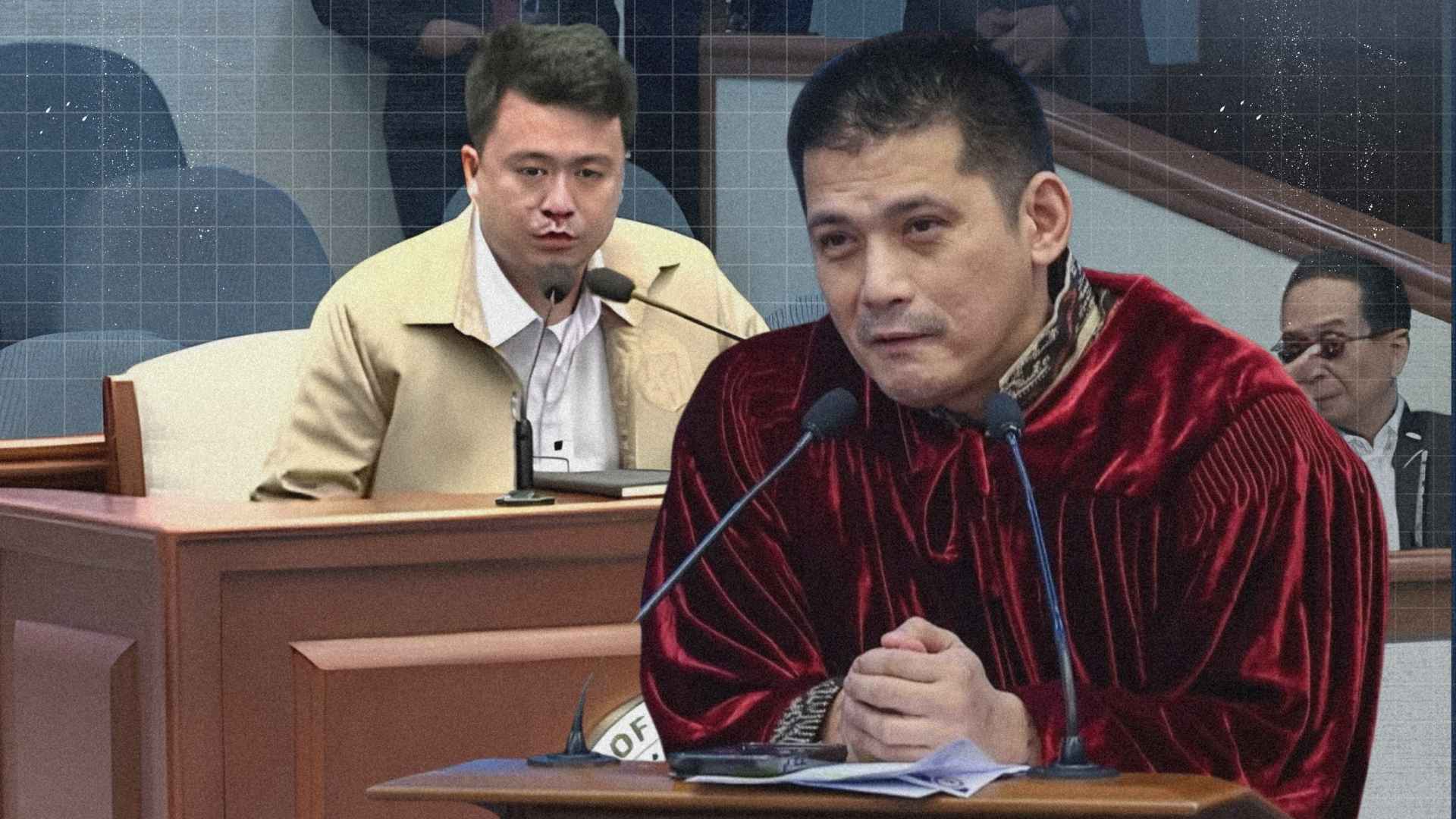
Questions surrounding the source of a key video surfaced once again during the impeachment trial of Vice President Sara Duterte, as Sen. Robin Padilla asked an NBI witness who actually recorded the online press conference held in November 2024.
The issue arose while NBI Senior Agent John Mark Calilung was on the witness stand presenting testimony related to Article IV of the Articles of Impeachment, which involves allegations connected to statements made by the Vice President during the online press conference.
Padilla Focuses on the Origin of the Recording
During his questioning, Senator Padilla sought to clarify the origin of the video that investigators examined.
His questions centered on identifying the individual or entity responsible for recording the online press conference and determining how the video eventually became part of the evidence reviewed by investigators.
The line of questioning formed part of the Senate impeachment court's examination of the authenticity and source of digital evidence presented during the proceedings.
NBI Previously Said the Recording Came From the Internet
Earlier in the hearing, NBI Senior Agent John Mark Calilung testified that investigators did not possess the original recording of the November 23, 2024 online press conference.
Instead, he explained that the video examined by investigators was obtained from a publicly available online source.
"The video itself, sir, is publicly available. That's why I performed the recording."
His testimony became one of the focal points of the defense's scrutiny regarding the handling and origin of digital evidence.
Digital Evidence Remains a Key Issue
The source and authenticity of electronic evidence have become recurring topics throughout the impeachment trial.
While the prosecution argues that the materials it has presented meet legal requirements for admissibility, the defense continues to question the origin, integrity, and evidentiary value of certain documents and recordings.
The Senate impeachment court will ultimately determine what weight, if any, should be given to the challenged evidence after considering the arguments of both sides.
📌 Reportorial Commentary
As digital content increasingly becomes part of legal proceedings, questions about its origin and authenticity have become more significant. Publicly available videos may serve as evidence, but courts and tribunals often examine how they were obtained, whether they accurately reflect the original material, and whether they satisfy procedural requirements.
Senator Padilla's questions reflect this broader concern over the chain of custody and reliability of electronic evidence. These issues do not by themselves determine whether evidence will be accepted or rejected, but they are part of the legal process of evaluating credibility and admissibility.
The impeachment court will continue to assess these matters alongside the full body of evidence presented before reaching any final judgment.
📖 Exegesis Bible Verse
"The one who states his case first seems right, until the other comes and examines him." — Proverbs 18:17 (ESV)
Context
Proverbs 18:17 highlights the importance of careful examination before reaching conclusions. An initial claim may appear convincing, but fairness requires that it be tested through questioning and scrutiny.
This principle aligns with judicial proceedings, where witnesses and evidence are examined by both sides. Questions about the source, authenticity, and reliability of evidence are a normal part of due process and help ensure that decisions are based on thoroughly examined facts rather than assumptions.
🚨 Senate Watch | Bong Revilla Surrenders at Camp Crame Over ₱92.8-M ‘Ghost’ Project Case
Former senator Ramon Bong Revilla Jr. surrendered Monday night, January 19, at Camp Crame after the Sandiganbayan Third Division issued a warrant of arrest and hold departure order against him and six former officials of the Department of Public Works and Highways–Bulacan.
The charges stem from alleged malversation and falsification of public documents tied to a ₱92.8-million flood control project in Pandi, Bulacan—described by prosecutors as a “ghost” project, funded but with little to no proof of actual implementation.
Authorities said Revilla voluntarily surrendered shortly after the warrants were released, complying with court orders as the case proceeds. The allegations focus on the release and documentation of funds for flood control works that investigators claim were not carried out as reported.
The surrender marks a procedural milestone, not a verdict. The court will determine custody arrangements, bail (if applicable), and the next stages of judicial proceedings. As always, the presumption of innocence applies until proven otherwise.
Quiet takeaway: When warrants are served, accountability shifts from headlines to courtrooms.