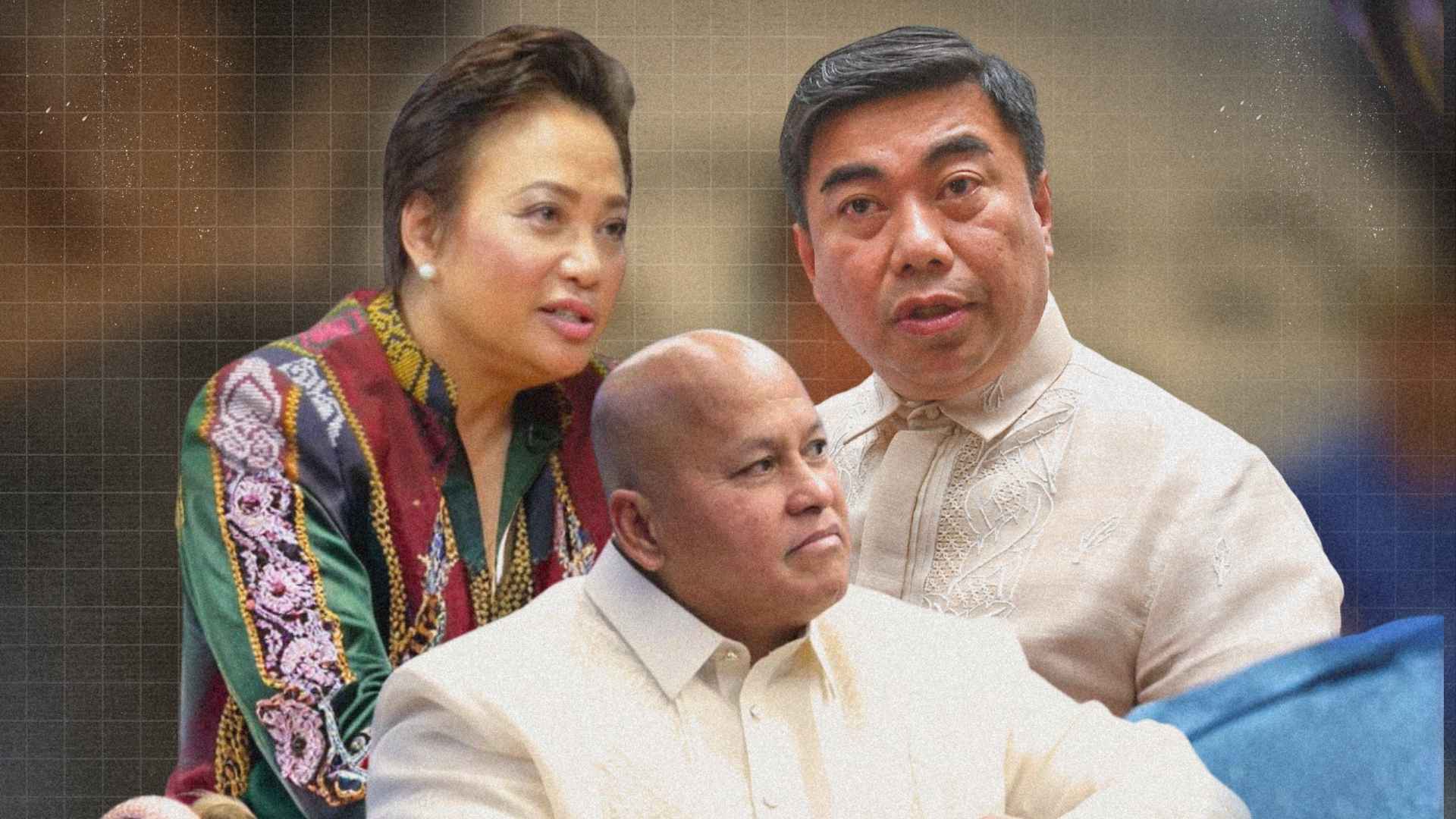
“Rowena Guanzon Questions ICC Warrant Attempt vs Bato”
Fresh political and legal debate erupted online after former Rowena Guanzon publicly questioned the actions of National Bureau of Investigation Director Melvin Matibag regarding the controversial attempt to serve an alleged ICC-related warrant against Senator Ronald dela Rosa.
In a social media statement, Guanzon argued that Matibag should not be considered “above the law” and even suggested that the Philippine National Police (PNP) should investigate the incident.
One statement especially intensified online reactions:
“That was a serious violation of Sen. dela Rosa’s rights under the Bill of Rights.”
The remarks immediately spread across political pages and discussion groups because the controversy already sits at the intersection of sovereignty, constitutional law, Senate tensions, and ICC-related debates.
Supporters of Senator dela Rosa interpreted Guanzon’s comments as validation that constitutional protections may have been ignored during the attempted warrant operation.
Critics, however, argued that legal accountability and international obligations remain legitimate concerns requiring proper institutional processes.
And once again, the issue evolved far beyond one attempted warrant service.
Here’s what this really means…
This controversy is no longer simply about whether the ICC warrant exists.
It is now about constitutional process and the limits of authority.
For many Filipinos, Guanzon’s strongest argument centered on one specific issue:
Can local authorities attempt to serve an ICC-related warrant without direct authorization from Philippine courts?
That question immediately triggered intense legal and political debate online.
Supporters of Guanzon argue that constitutional protections and domestic legal procedures must always remain supreme inside Philippine territory.
Critics, however, counter that international legal cooperation and institutional obligations cannot simply be ignored when sensitive cases arise.
Because of that divide, the issue quickly became emotionally charged.
This raises a bigger issue…
Has the ICC controversy transformed into a larger national struggle over sovereignty and constitutional identity?
Because increasingly, discussions surrounding Senator dela Rosa are no longer purely about legal technicalities.
They now involve deeper emotional questions:
Who truly has jurisdiction?
How far can international legal mechanisms influence local institutions?
And what constitutional protections should apply during politically sensitive operations?
These questions resonate strongly because they touch on national identity itself.
Guanzon’s remarks also carry political weight because of her long public history as a blunt and outspoken legal figure.
Whether people agree with her or not, her statements often trigger strong reactions because she speaks in direct constitutional and legal language rather than purely political rhetoric.
That legal framing gave additional momentum to the controversy online.
The reference to the Bill of Rights especially intensified discussion.
For many citizens, invoking constitutional rights immediately elevates the issue beyond politics into something more fundamental.
It becomes about whether constitutional protections are being applied consistently — regardless of political affiliation.
At the same time, others argue that constitutional interpretation itself remains contested in cases involving international legal mechanisms and politically sensitive investigations.
That tension explains why the issue continues dominating political conversations.
What also stands out is how rapidly institutional distrust now spreads online.
Whenever agencies appear to operate without fully clear public explanations, speculation grows instantly.
People begin questioning:
Who authorized the operation?
Was due process followed?
Were constitutional protections respected?
And who should ultimately be accountable?
Those questions continue fueling emotional debate nationwide.
Why this matters…
Constitutional rights and institutional accountability are foundational pillars of democratic systems.
When controversies emerge involving warrants, sovereignty, and possible constitutional violations, public trust becomes highly vulnerable.
That is why statements like Guanzon’s resonate so strongly online.
Because for many Filipinos, this issue is no longer simply about one senator or one operation.
It is about whether constitutional protections still carry equal weight during moments of political tension and legal conflict.
And in today’s polarized environment, that question has become one of the country’s most emotionally charged debates.
Exegesis Bible Verse
Micah 6:8
“What doth the Lord require of thee, but to do justly, and to love mercy, and to walk humbly with thy God?”
Reflection
Justice and authority must always operate with fairness, humility, and respect for human rights. Scripture reminds leaders and institutions that true justice protects both accountability and constitutional dignity.
Marcos Says He Hopes His “Structural Reforms” Continue — But the Public Wonders: Reforms or Ruins?
December 11, 2025•6 min read
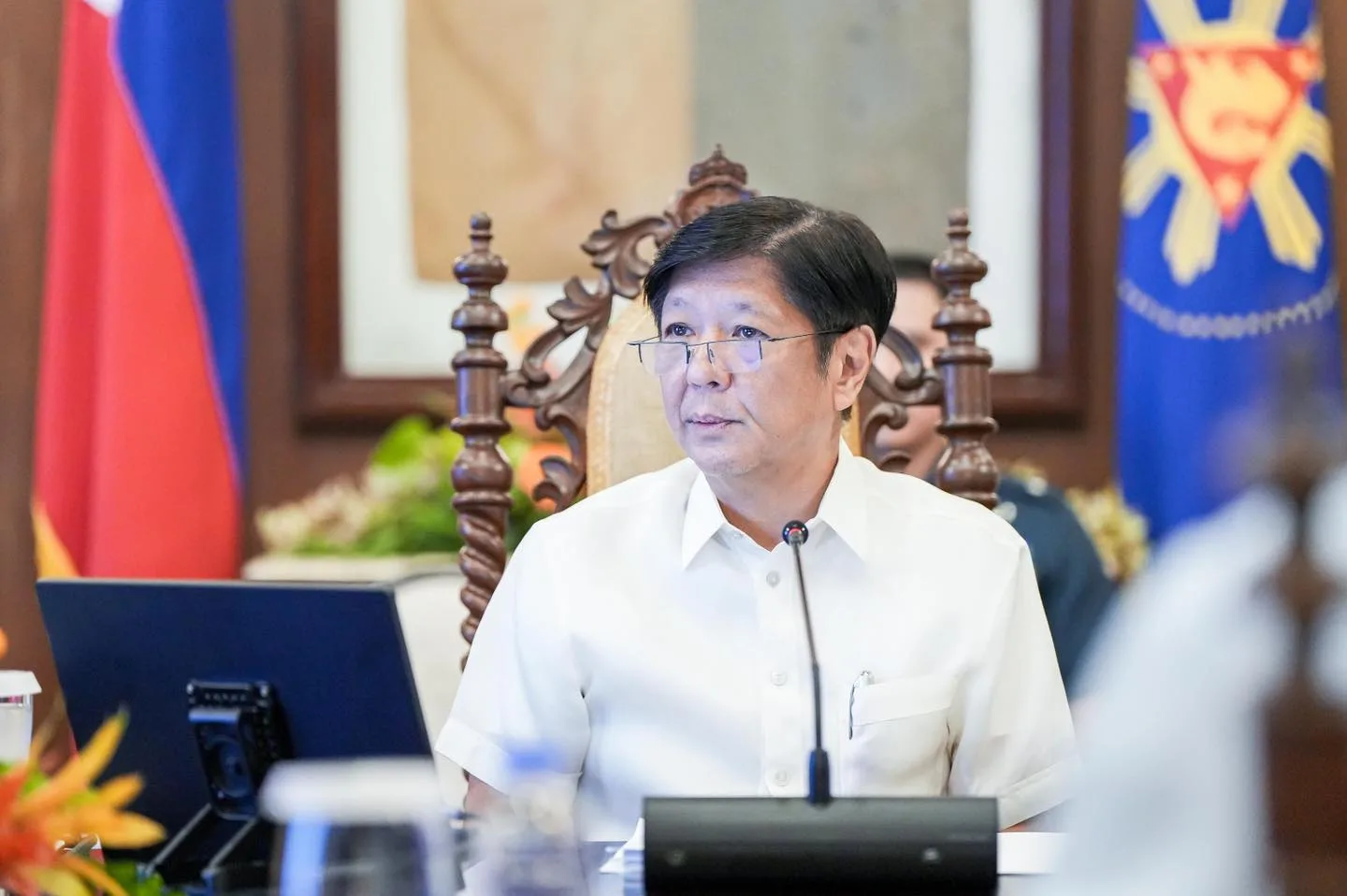
President Bongbong Marcos Jr. shared in his BBM Podcast that he hopes future administrations will “continue the structural reforms” he claims to have started.
The statement would’ve landed better if the country weren’t simultaneously drowning in:
• flood-control scandals,
• budget insertions,
• questionable agencies (ICI/IPC),
• canceled passports,
• surrendering contractors,
• skyrocketing prices, and
• systems collapsing left and right.
Kung ito ang “structural reform,”
paano pa kaya kung walang reform?
Marcos insists he works long hours, thinking “out of the box” with advisers. But the Filipino people are asking:
If this is ‘thinking out of the box,’ bakit parang lalong nasisira ang kahon?
He says reforms should continue even after he leaves office.
But what reforms?
• Unlimited unprogrammed funds?
• Agencies duplicating each other?
• Budget leaks everywhere?
• Multi-billion peso anomalies piling faster than cases can be filed?
📖 Bible Insight — Isaiah 1:23
“Your rulers are rebels, companions of thieves; everyone loves a bribe and chases after gifts.”
A structural reform without righteousness is not reform — it is repackaged corruption.
The Agila sees the truth:
Real reform is not measured by long meetings or podcasts.
It is measured by justice, accountability, and transparency.
And right now, the cracks in this administration’s “structure” are louder than the President’s monologue.

Recto Pushes ‘Broad Consultation’ on Anti-Dynasty Law — Pero Sino ba ang dapat talagang ikonsulta?
Executive Secretary Ralph Recto is now calling for “broad consultation” before Congress discusses President Marcos Jr.’s wish list:
✔ Anti-dynasty law
✔ Independent People’s Commission (IPC)
✔ Transparency reforms
✔ Accountability measures
At first glance, this looks promising —
who wouldn’t want anti-dynasty reforms and accountability?

But the irony is too loud to ignore.
🔵 Anti-dynasty law… under the most dynasty-heavy administration in decades?
Let’s not kid ourselves.
This administration is led by a clan with:
✔ a sitting President
✔ a Congressman son
✔ influential relatives in key agencies
✔ a First Lady with powerful business-linked connections
✔ political cousins in local and national government
Anti-dynasty law under Marcos 2.0 is like:
“Magpasa tayo ng anti-kurapsyon bill… habang ongoing ang flood-control scandal.”
The contradiction is glaring.
🔵 “Broad consultation” sounds noble — but it’s also a delaying tactic
Recto says:
“Broad consultation will result in better laws.”
But Filipinos know this pattern too well:
Raise a noble reform
Spread it across consultations
Form technical working groups
Forward to committees
Send to subcommittees
Stall
Forget
Anti-dynasty bills have been filed since 1987.
Not a single one passed —
because dynasties control the votes.
This administration calling for consultation on anti-dynasty laws is like:
“Let’s ask all smokers whether we should ban cigarettes.”
You already know the answer.
🔵 3. IPC again? The redundancy issue resurfaces
Recto also supports the Independent People’s Commission (IPC) —
which even Palace officials admit may duplicate the functions of the Ombudsman and DOJ.
Bakit ba inuulit-ulit ang ahensyang may kapareho nang trabaho?
The public sees this as:
✔ redirection
✔ optics
✔ dilution of accountability
✔ and a way to sidestep existing institutions
Kung seryoso ang gobyerno, the Ombudsman is already there.
Hindi kailangan ng clone agency.
🔵 Marcos’ “good governance push” is happening beside massive scandals
It’s impossible to ignore the context:
✔ ₱16B flood-control scandal
✔ ₱60B PhilHealth transfer declared illegal
✔ ₱107B PDIC reallocation questioned
✔ Frozen contractor accounts
✔ Ghost dredging projects
✔ Unfinished flood plans
✔ Insertions in the budget
✔ Unprogrammed funds ballooning
Talking about “anti-dynasty law” and “transparency” amid all these issues feels like:
Doctor giving vitamins while the patient is bleeding out.
🔵 Pro-Duterte Agila Punchline
Duterte never played around with “consultations” when it came to reform.
His style was:
✔ decide
✔ implement
✔ enforce
✔ deliver
No drama.
No poetic speeches.
No contradictory messaging.
Today’s administration uses “consultation” as a buffer zone between promise and paralysis.
📖 Bible Reflection — Matthew 7:16
“You will know them by their fruits.”
Not by their speeches.
Not by their consultations.
But by the results.

Recto Says It’s Time for a “Cleaner Government” — But the Public Isn’t Convinced
Executive Secretary Ralph Recto recently declared that the Philippines now has the opportunity to build a “mas mabuti, mas malinis, at mas epektibong pamahalaan.”
A beautiful line — almost poetic.
But in a nation drowning in corruption scandals, the public reacted not with applause…
but with a collective raised eyebrow.

When Words Are Clean but the System Is Not
Recto’s statement comes at a time when the country is in the middle of the biggest anti-corruption protests since 1986.
Billions allegedly lost in flood control projects.
Ghost contractors.
Kickbacks.
Passport cancellations.
Threats of arrest for protesters.
Flip-flopping statements from the Palace.
And now — a sudden call for a “cleaner” government?
It’s a good message…
but the people have one simple reply:
“Sana all.”
Where Was This Energy Before?
Kung matagal nang may pagkakataon para gumawa ng malinis na gobyerno, bakit ngayon lang lumalabas ang mga deklarasyong ganito?
Bakit parang salita lang, walang tunay na aksyon?
At bakit sa gitna ng pagsabog ng mga kontrobersiya, saka lang nabanggit ang pangarap ng “malinis na pamahalaan”?
The irony isn’t lost on the Filipino people — a government facing scandal now claiming it's time to clean up.
Accountability Requires Courage, Not Catchphrases
Building a clean government is not about speeches on stage.
It’s about facing the truth…
even if the truth exposes your allies.
It’s about transparency…
even if transparency makes the administration uncomfortable.
It’s about justice…
even if justice reaches high places.
Kung hindi kayang harapin ang big fish, paano ang maliit?
The People Are Watching
Ralph Recto’s words could have been powerful.
Pero sa panahon ngayon, pagod na ang tao sa salita.
Gusto nila ng galaw.
Gusto nila ng hustisya.
Gusto nila ng tapang — ’yung totoo, hindi scripted.
And so the public replies:
“Kung gusto niyo talagang linisin ang gobyerno, unahin niyo ’yung nasa loob mismo ng Palasyo.”
📖 Isaiah 1:17
“Learn to do right; seek justice. Defend the oppressed.”
True reform begins with courage — the courage to confront sin, even if it exists in your own camp.
THE CONVERSATION CONTINUES
This moment is a test:
Will the government finally confront corruption head-on?
Or is this just another line meant to pacify a nation demanding the truth?
The people have awakened.
The youth have marched.
The streets have spoken.
And whether the powerful like it or not,
History is already taking notes.