Sara Duterte Questions 2028 Talk, Warns PH Risks Deeper Corruption and Poverty
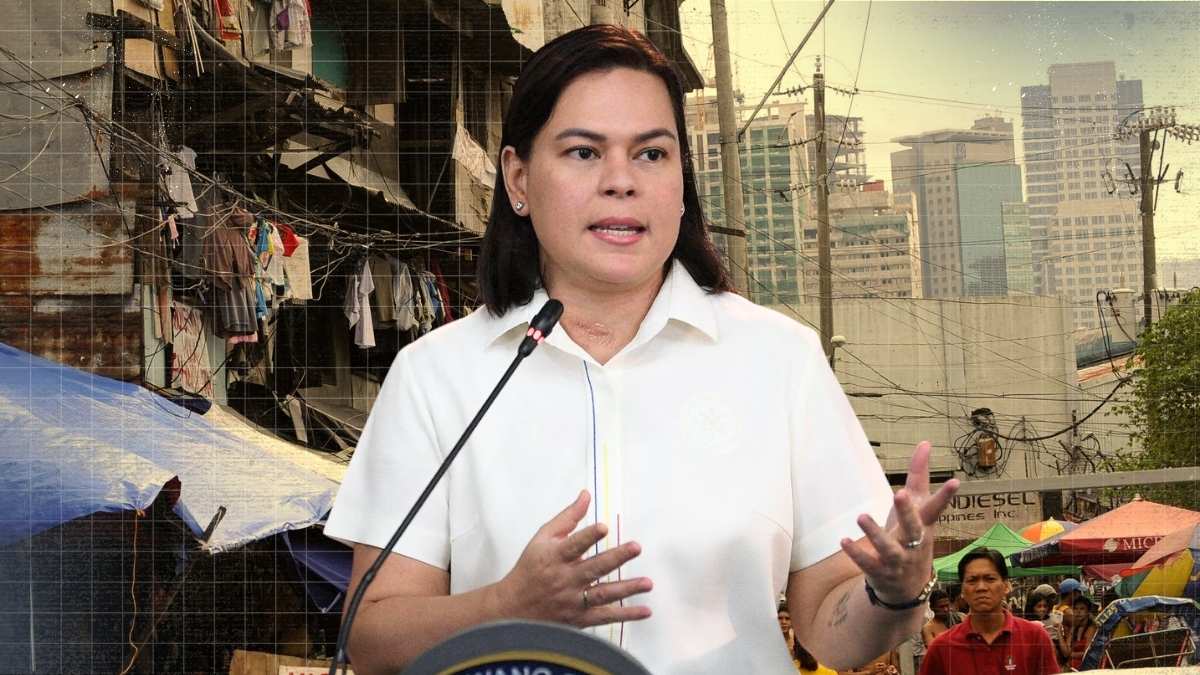
Vice President Sara Duterte declined to discuss her potential plans for the 2028 elections, redirecting attention instead to what she described as more urgent concerns about the country’s future.
Speaking during a recent engagement, Duterte questioned whether the Philippines would remain on stable footing by the time the next national polls arrive. Rather than entertaining early campaign speculation, she warned that corruption, poverty, and governance challenges demand immediate attention.
Shifting the Conversation
Political discussions have increasingly focused on 2028, with surveys and positioning already shaping early narratives. However, Duterte’s response avoided electoral planning altogether.
Instead, she posed a broader question:
Will there still be a country strong enough, stable enough, and economically secure enough by 2028 if current issues are not addressed?
The statement reframes political discourse away from personalities and toward structural concerns.
Warning on Corruption and Poverty
Duterte cautioned that systemic weaknesses — particularly corruption and economic vulnerability — could deepen if left unchecked. She linked governance performance directly to public welfare, emphasizing that national leadership decisions today will shape the country’s trajectory in the coming years.
While she did not outline specific policy proposals in that moment, the warning reflects recurring themes in her public messaging:
Accountability in public spending
Institutional stability
Long-term economic resilience
Her remarks suggest that premature election talk distracts from present governance challenges.
Beyond Campaign Speculation
Political observers note that declining to discuss future electoral plans can serve multiple purposes. It keeps focus on current responsibilities while avoiding early alignment or polarization.
Duterte’s stance appears to signal that leadership conversations should prioritize:
Fiscal discipline
Anti-corruption safeguards
Poverty reduction strategies
In this framing, 2028 becomes secondary to immediate governance outcomes.
Economic Pressures and Public Concern
The Philippines continues to face economic pressures, including inflationary challenges, rising public debt, and disaster vulnerability. These structural realities influence public sentiment and policy debate.
By highlighting corruption and poverty risks, Duterte aligns her messaging with concerns frequently raised by communities affected by economic strain.
Such framing emphasizes consequence rather than candidacy.
Political Timing
Speculation around 2028 has intensified due to survey discussions and shifting alliances. However, Duterte’s refusal to elaborate on plans suggests an attempt to maintain strategic ambiguity while reinforcing governance themes.
In politics, timing often matters as much as messaging.
Avoiding early declarations can:
Preserve flexibility
Reduce premature opposition consolidation
Maintain focus on official duties
Leadership and National Direction
The broader implication of Duterte’s remarks is that leadership is measured not by campaign positioning but by stewardship.
She implied that national priorities must focus on preventing deterioration — not merely preparing for elections.
Scripture offers a relevant reminder:
“Where there is no vision, the people perish.” — Proverbs 29:18
Leadership warnings often serve as calls to vigilance.
Public Reaction
Reactions to Duterte’s remarks have been mixed. Supporters view the statement as a sobering reminder to prioritize governance. Critics interpret it as political signaling.
Regardless of interpretation, the message places economic and institutional concerns at the forefront of national discussion.
The Road to 2028
While 2028 remains years away, conversations about the next election cycle will inevitably continue. However, Duterte’s remarks suggest that national stability may determine whether electoral discussions remain meaningful.
If corruption and poverty intensify, political contests could become overshadowed by structural strain.
If governance stabilizes and economic resilience strengthens, 2028 becomes a routine democratic exercise.
The direction depends on decisions made today.
Final Perspective
Vice President Sara Duterte’s decision to avoid discussing her 2028 plans and instead focus on corruption and poverty risks reframes political discourse.
Rather than fueling campaign speculation, her remarks highlight governance urgency.
Whether one agrees or disagrees with her assessment, the statement underscores a key principle:
Elections matter — but stability matters first.
For now, the message is less about candidacy and more about consequence.