Serious Process or Political Show? Reaction Inside Hearing Raises Concerns
“Hindi Proper?” Reaction Inside Hearing Raises Questions on Conduct
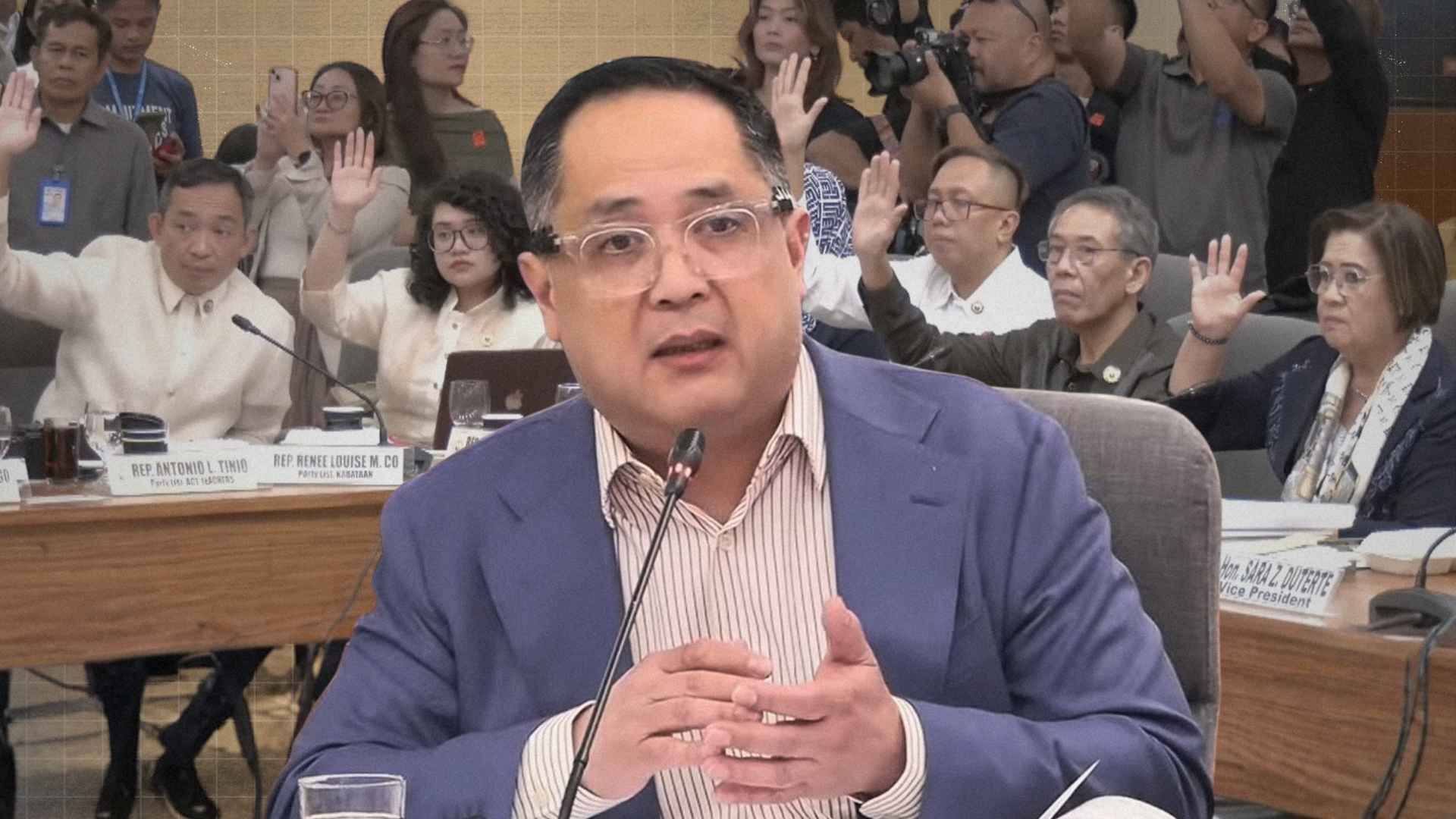
Concerns about professionalism and ethics have surfaced following reactions observed during a recent House Committee on Justice proceeding tied to the impeachment complaint against Vice President Sara Duterte.
Former lawmaker Bong Suntay expressed concern over reports of laughter and applause after the committee found probable cause, describing such behavior as “hindi proper,” especially given the seriousness of the matter.
What Was Observed
According to the discussion, reactions inside the hearing room included:
Applause
Laughter
Expressions of celebration
These reportedly occurred shortly after a determination was made regarding probable cause in the case.
Here’s What This Really Means…
At first glance, reactions like applause may seem minor.
But in a setting involving:
👉 impeachment
👉 national leadership
👉 legal evaluation
Every action carries weight.
Because these are not ordinary proceedings.
This Raises a Bigger Issue…
Suntay pointed out a key concern:
👉 How does this behavior appear to the public?
Even if decisions are made based on evidence, visible reactions can influence perception.
And perception matters.
Because in high-level proceedings, the public is not just watching outcomes—
👉 They are watching how those outcomes are reached.
Political Process vs Legal Process
Another point raised is the nature of impeachment itself.
While it involves legal considerations, it is also widely understood to be a political process within the House.
That dual nature creates tension:
👉 Should behavior reflect strict legal formality?
👉 Or does political reality influence conduct?
Public Reaction: Mixed Interpretation
Reactions from the public are divided.
Some view the reactions as inappropriate given the gravity of the situation.
Others see them as natural expressions within a politically charged environment.
And many are asking:
👉 Where should the line be drawn?
Why This Matters
The issue is not just about one moment.
It’s about:
Institutional credibility
Public trust
Perceived fairness
Because when proceedings involve the second-highest official in the country, expectations are naturally higher.
Here’s Where It Gets Interesting…
Suntay suggested that visible reactions like applause or laughter could create an impression of bias—even if none was intended.
And that impression can shape how the public interprets the entire process.
The Bigger Picture
This situation reflects a broader challenge in governance:
👉 Balancing human reaction with institutional responsibility
Because while individuals may react emotionally, institutions are expected to maintain composure.
Closing Thought
The decision has been made.
But the reaction to that decision is now part of the conversation.
👉 Because in moments like this,
how something is done can matter just as much as what is done.
✝️ EXEGESIS BIBLE VERSE
Ecclesiastes 3:1 (KJV)
“To every thing there is a season… a time to keep silence, and a time to speak.”
Reflection:
This verse reminds us that timing and behavior matter. In serious moments, restraint and wisdom reflect true understanding.
Billions After the Win: When Power and Public Projects Collide
December 25, 2025•1 min read
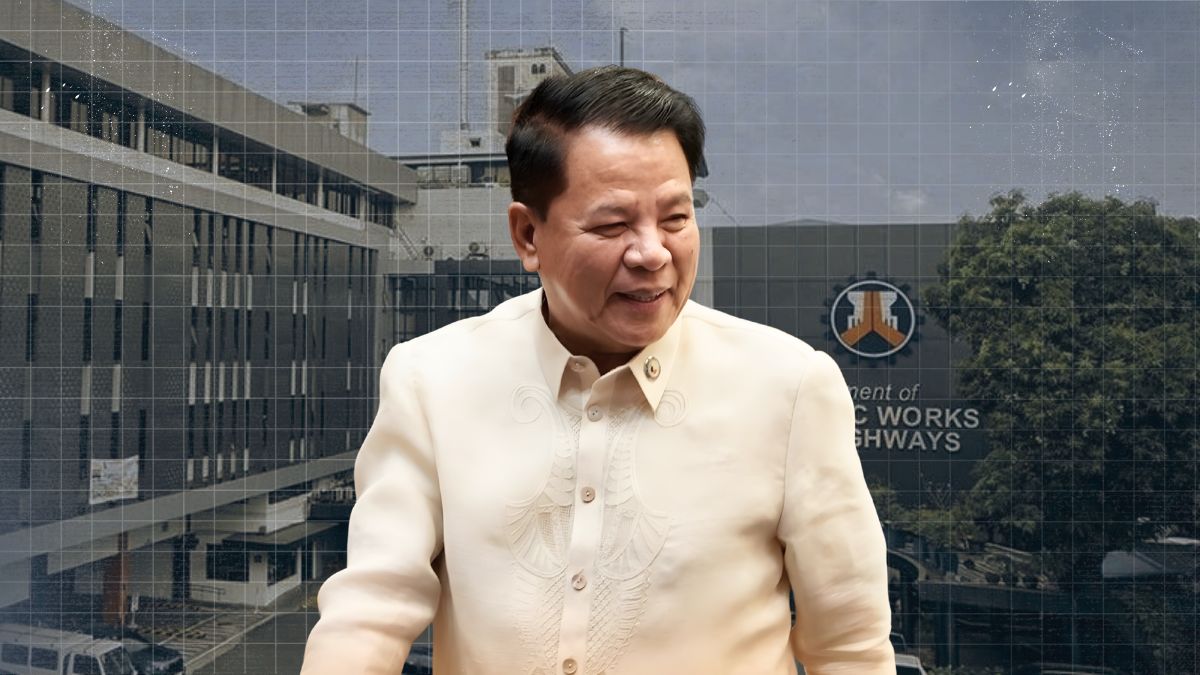
Rappler has released a series of investigative reports examining how family-owned firms linked to party-list lawmaker Edwin Gardiola secured billions of pesos worth of infrastructure projects following his election to Congress.

Based on procurement data, corporate records, and public documents, the reports show that companies connected to the lawmaker’s family became major recipients of Department of Public Works and Highways (DPWH) contracts after he assumed office.
While winning public contracts does not automatically imply wrongdoing, governance experts stress that the timing and concentration of awards demand scrutiny, especially when lawmakers participate in budget processes that shape where public funds flow.
The issue underscores a long-standing challenge in Philippine politics: how to prevent conflicts of interest when political power and business interests overlap.
Supporters argue that contractors still go through bidding processes. Critics counter that transparency is weakened when public officials or their families appear too close to the same money funded by taxpayers.
Beyond legality, the heart of the issue is public trust.
Infrastructure projects are meant to serve communities — roads, bridges, and flood control — not reinforce political advantage. Investigative journalism plays a crucial role in ensuring these questions are asked openly, documented properly, and discussed responsibly.
As more records surface, the public is left with a question that goes beyond personalities:
When power wins elections, who truly benefits after the victory?