🇵🇭🇰🇷 South Korea Seeks Temporary Transfer of Jailed Korean Drug Kingpin from Philippines
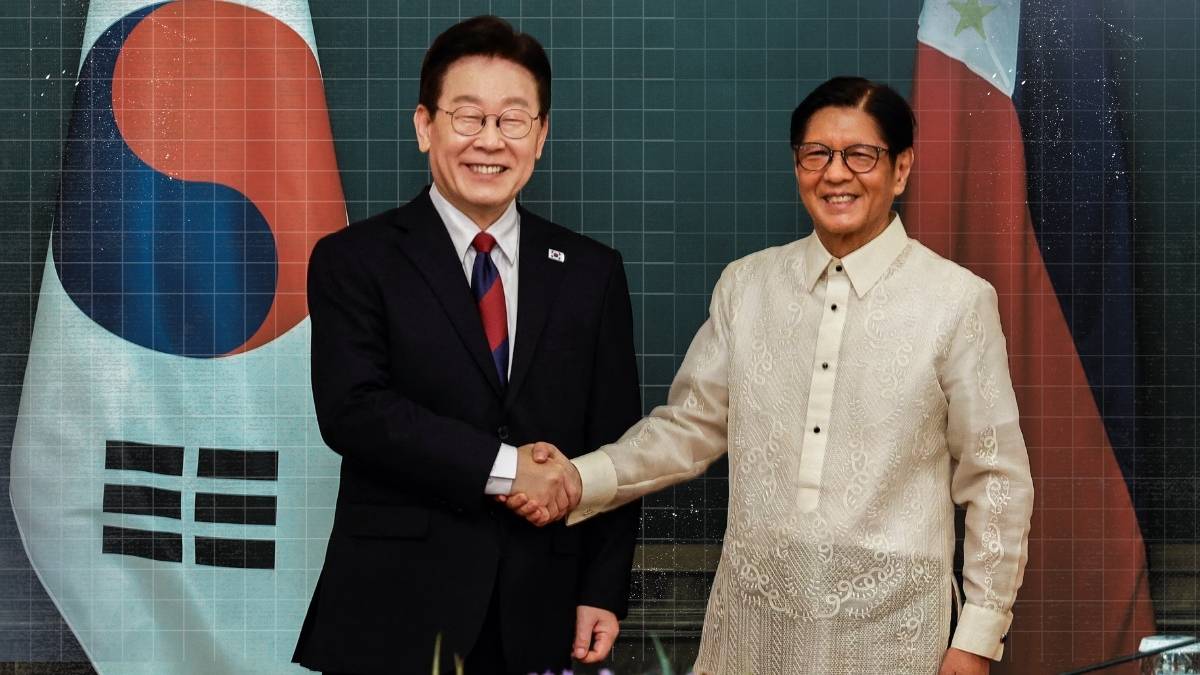
South Korean President Lee Jae-myung has reportedly asked Philippine President Ferdinand Marcos Jr. to allow the temporary transfer of a jailed Korean drug kingpin currently detained in the Philippines.
The request is part of an effort by South Korean authorities to pursue further investigation and prosecution related to large-scale drug operations linked to the suspect.
South Korea Requests Temporary Custody of Jailed Drug Syndicate Leader
South Korea has formally asked the Philippine government to temporarily transfer a detained Korean national described as a major drug syndicate leader so he can face additional investigation and legal proceedings in Seoul.
The request was reportedly made by South Korean President Lee Jae-myung to Philippine President Ferdinand Marcos Jr.
The suspect, who has been imprisoned in the Philippines, is believed to be connected to a large drug trafficking network affecting South Korea and other countries in the region.
Why South Korea Wants the Transfer
South Korean authorities are seeking temporary custody of the suspect to:
Conduct further interrogation and investigation
Present additional criminal charges in Korean courts
Identify possible accomplices within the international drug network
Officials believe the suspect may possess critical information about the operations of a transnational narcotics syndicate.
How a Temporary Transfer Works
Such arrangements are sometimes handled through international legal cooperation agreements between countries.
A temporary transfer typically allows:
The suspect to be transported to another country for investigation or trial.
Authorities to question or prosecute the individual under local laws.
The suspect to eventually be returned to the original country where he was first detained.
These arrangements often involve strict diplomatic coordination and legal safeguards.
The Philippines’ Role in Regional Crime Enforcement
The Philippines has previously cooperated with international law enforcement agencies in cases involving:
Drug trafficking networks
Cybercrime syndicates
Human trafficking operations
The request from South Korea highlights the cross-border nature of modern criminal organizations, particularly in narcotics trafficking.
What Happens Next
President Marcos and Philippine authorities will need to evaluate the request under Philippine law and existing agreements with South Korea.
Factors that may influence the decision include:
Legal jurisdiction
Security concerns
Bilateral diplomatic relations
Existing charges against the suspect in the Philippines
If approved, the suspect could be temporarily transported to South Korea for further proceedings.