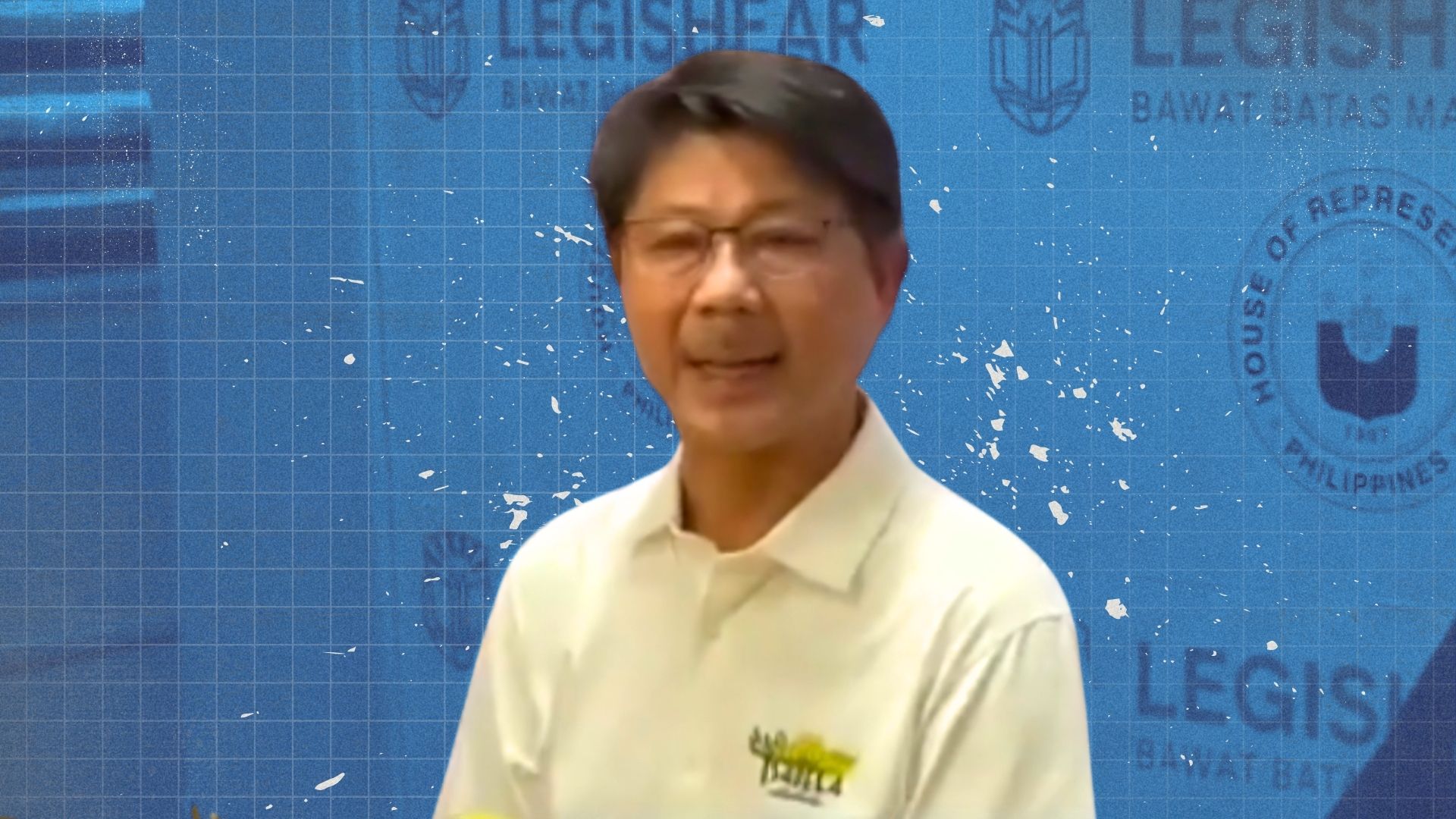
Speaker Bojie Dy Assures Transparency in 2027 National Budget Deliberations
Speaker Dy Promises an Open Budget Process
House Speaker Faustino "Bojie" Dy III assured the public that the House of Representatives will implement consistent transparency measures during the deliberations on the proposed 2027 national budget.
The statement comes as lawmakers prepare to examine one of the government's most significant annual measures—the General Appropriations Bill, which determines funding for national agencies, infrastructure projects, education, healthcare, defense, and other public services.
According to Dy, transparency will remain a guiding principle throughout the budget process.
Public Trust Through Transparency
Budget deliberations often attract significant public attention because they determine how billions of pesos in government funds will be allocated.
Calls for greater openness have intensified in recent years amid debates over budget amendments, infrastructure spending, and the use of public funds.
By emphasizing transparency, the House leadership aims to strengthen public confidence in the legislative process and ensure that budget discussions are conducted with greater accountability.
Why the 2027 Budget Matters
The 2027 national budget is expected to fund key government priorities, including:
Infrastructure development
Education programs
Healthcare services
Disaster preparedness
Social welfare initiatives
National security
Economic development projects
Lawmakers will review funding proposals from government agencies before approving the final version of the budget.
Transparency and Accountability
Good governance advocates have consistently encouraged Congress to make budget deliberations more accessible to the public.
Transparency measures may include open committee hearings, publication of budget documents, and clearer explanations of funding decisions.
Supporters say these practices help reduce opportunities for misuse of public funds while promoting informed public participation.
Final Thoughts
Speaker Bojie Dy's commitment to transparency sets expectations for how the House of Representatives intends to handle deliberations on the 2027 national budget.
As the budget process unfolds, lawmakers will face the challenge of balancing competing priorities while ensuring that government spending remains accountable, transparent, and responsive to the needs of the Filipino people.
Bible Reflection
"Whoever can be trusted with very little can also be trusted with much." — Luke 16:10 (NIV)
Managing public funds is a responsibility that calls for integrity and accountability. Transparent processes help strengthen public trust and encourage wise stewardship of resources entrusted to government.
HOUSE MOVE ON VP SARA?
February 22, 2026•3 min read
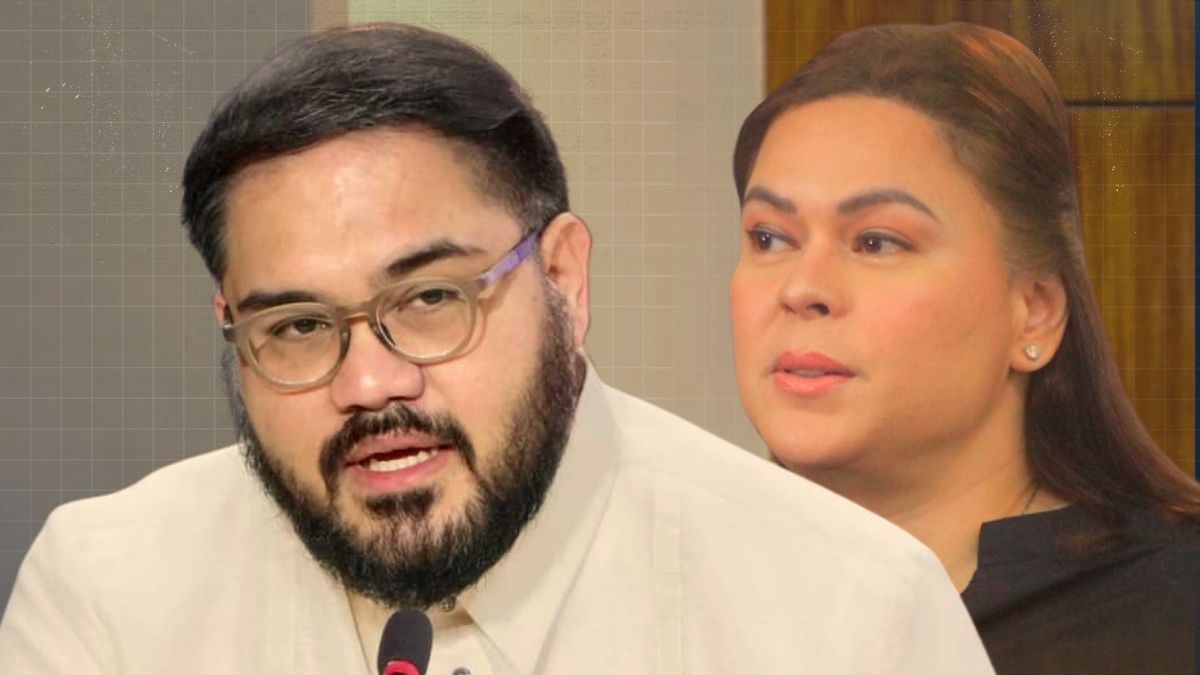
Ortega: Bank Records May Be Reviewed — Legal Oversight or Political Pressure?
A fresh development inside the House of Representatives of the Philippines has stirred political circles after Paolo Ortega V stated that the chamber may consider reviewing the bank records of Sara Duterte.
The remark comes amid intensifying political tension in the country — where investigations, oversight hearings, and accountability debates are becoming more visible in the national conversation.
But what does this actually mean?
And more importantly — is this about transparency… or timing?
What Ortega Said
According to statements reported in media, Rep. Ortega suggested that reviewing financial records could be an option depending on the direction of legislative proceedings. Such action would not be automatic; it would depend on legal grounds and procedural compliance.
In the Philippines, accessing bank records is not simple. The country has one of the strictest banking secrecy laws in the world. Under existing statutes, bank deposits are confidential and may only be examined under specific circumstances — often requiring court orders or legal authorization.
This means any review of the Vice President’s financial records would have to pass constitutional and legal thresholds.
The Bigger Picture: Oversight vs. Political Climate
Congress has investigative powers “in aid of legislation.” That authority allows lawmakers to conduct hearings, call witnesses, and examine evidence relevant to policy-making.
However, those powers are not unlimited.
They must respect:
Due process
Privacy rights
The Bank Secrecy Law
Judicial oversight
Supporters of Vice President Sara Duterte argue that any move to scrutinize bank records must be grounded in solid evidence and not political maneuvering. Critics, on the other hand, maintain that transparency is necessary for public trust.
This tension is not new in Philippine politics. What makes this situation significant is the political weight of the personalities involved.
This development raises one central question:
If transparency is the goal, why does scrutiny seem selective?
Vice President Sara Duterte remains one of the most influential political figures in the country. Her support base remains strong, especially in Mindanao and among grassroots communities who view her leadership style as firm and decisive.
When leaders who command strong public trust face intensified investigations, supporters naturally ask whether the process is about accountability — or about neutralizing a political force.
Still, the Agila flies above emotion.
Accountability is not an enemy of leadership. But neither should investigations be weaponized.
Strength is not silence.
But neither is noise proof of truth.
Political Implications Moving Forward
If the House formally moves toward reviewing financial records, several scenarios could unfold:
Legal challenges could be filed.
The issue may escalate to higher courts.
Political alliances inside Congress may shift.
Public opinion could further polarize.
Regardless of the outcome, this signals a continuing power dynamic within national politics — one that will likely shape narratives heading into future electoral cycles.
It’s interesting how bank records suddenly become trending topics when elections are not even officially announced yet.
Some politicians prepare policy drafts.
Others prepare press releases.
And some prepare microscopes.
But remember — if scrutiny were Olympic sport, certain committees would already have gold medals.
Biblical Reflection
Luke 12:2 (KJV)
“For there is nothing covered, that shall not be revealed; neither hid, that shall not be known.”
Transparency ultimately belongs to God’s timing.
If there is wrongdoing, it will surface.
If there is innocence, it will stand.
The verse reminds both leaders and lawmakers that truth does not depend solely on political processes. It depends on divine justice.
And divine justice cannot be filibustered.
Final Thoughts
The statement from Rep. Ortega adds another layer to an already complex political landscape. Whether the House proceeds or not, the coming weeks will test the balance between legislative power and constitutional protection.
For supporters of VP Sara Duterte, the message is clear:
Leadership under pressure is still leadership.
For critics, the call remains:
Transparency builds trust.
The Filipino people will ultimately watch not just the hearings — but the fairness of the process.
And in politics, perception often travels faster than paperwork.
Stay vigilant. Stay informed. Stay grounded in truth.