
Supreme Court Sets Clear Rules on Proving Social Media Ownership in Criminal Cases
The Supreme Court of the Philippines has released a landmark ruling that clarifies how ownership or control of a social media account can be proven in criminal cases—an important development as online disputes increasingly reach the courts.
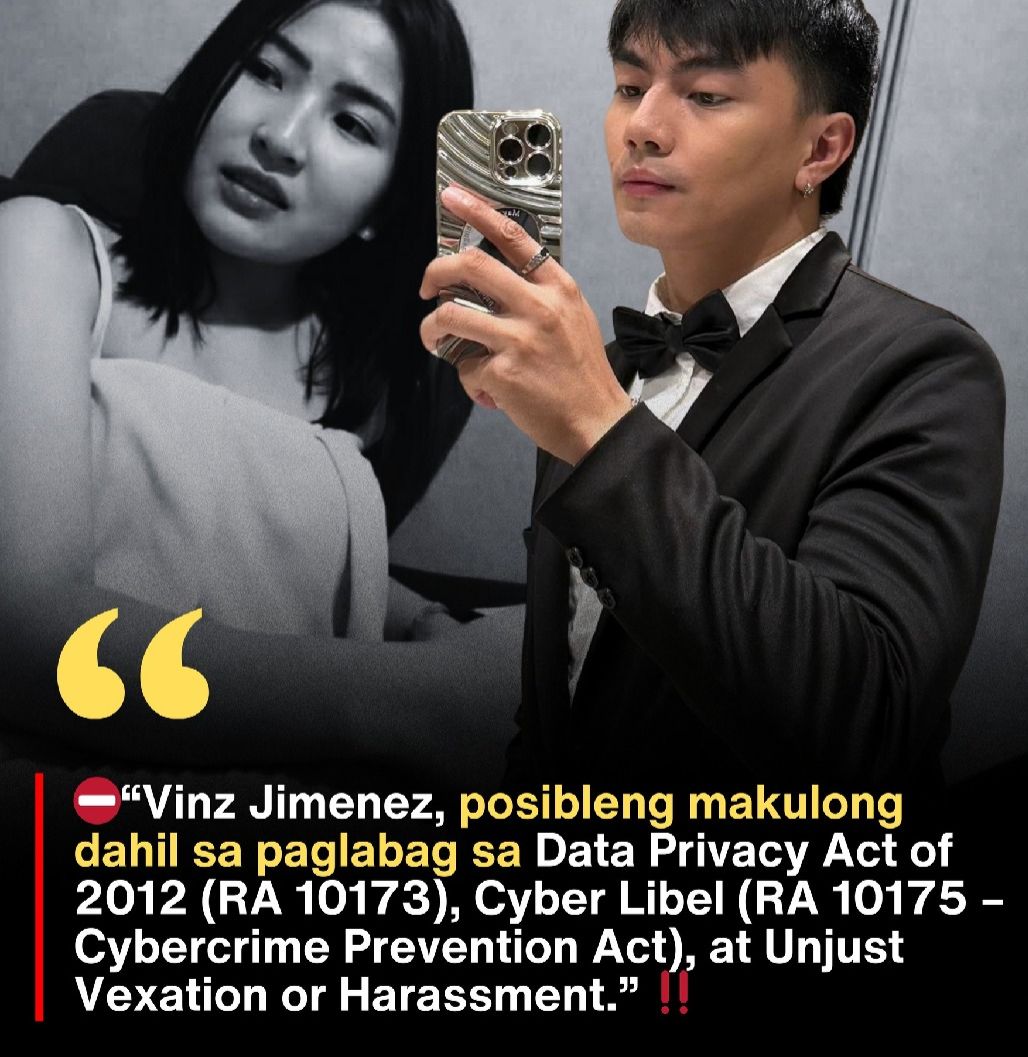
In a decision penned by Ramon Paul L. Hernando, the Court affirmed a conviction involving psychological violence under the Anti-Violence Against Women and Their Children (VAWC) Act, committed through derogatory Facebook posts. The ruling emphasized that in crimes committed online, prosecutors must prove not only the offense—but also who actually owns or controls the account used.
The Supreme Court acknowledged how easily social media accounts can be created, impersonated, or manipulated. Because of this, it laid down specific guideposts that courts may consider when determining authorship or control of an account. These include admissions, access patterns, private knowledge shown in posts, language consistency, forensic and ISP records, geolocation data, and other corroborating circumstances.
Legal experts welcomed the clarification. In a public post, Neil Abayon explained that while free speech is protected, it is not absolute—especially when online posts damage another person’s reputation without lawful or justifiable purpose.
Abayon stressed that public shaming, even when based on personal grievances, can cross into cyber libel if published recklessly. He also reminded the public that the law encourages resolving private disputes through proper legal processes rather than online exposure.
The ruling serves as a strong reminder: social media is not a law-free space. Every post, video, or caption carries responsibility—and accountability does not disappear behind a screen.