Trump Calls Out Chevron and ExxonMobil Over Oil Profits, Urges Lower Consumer Prices
Trump Targets Major Oil Companies Over Consumer Fuel Prices
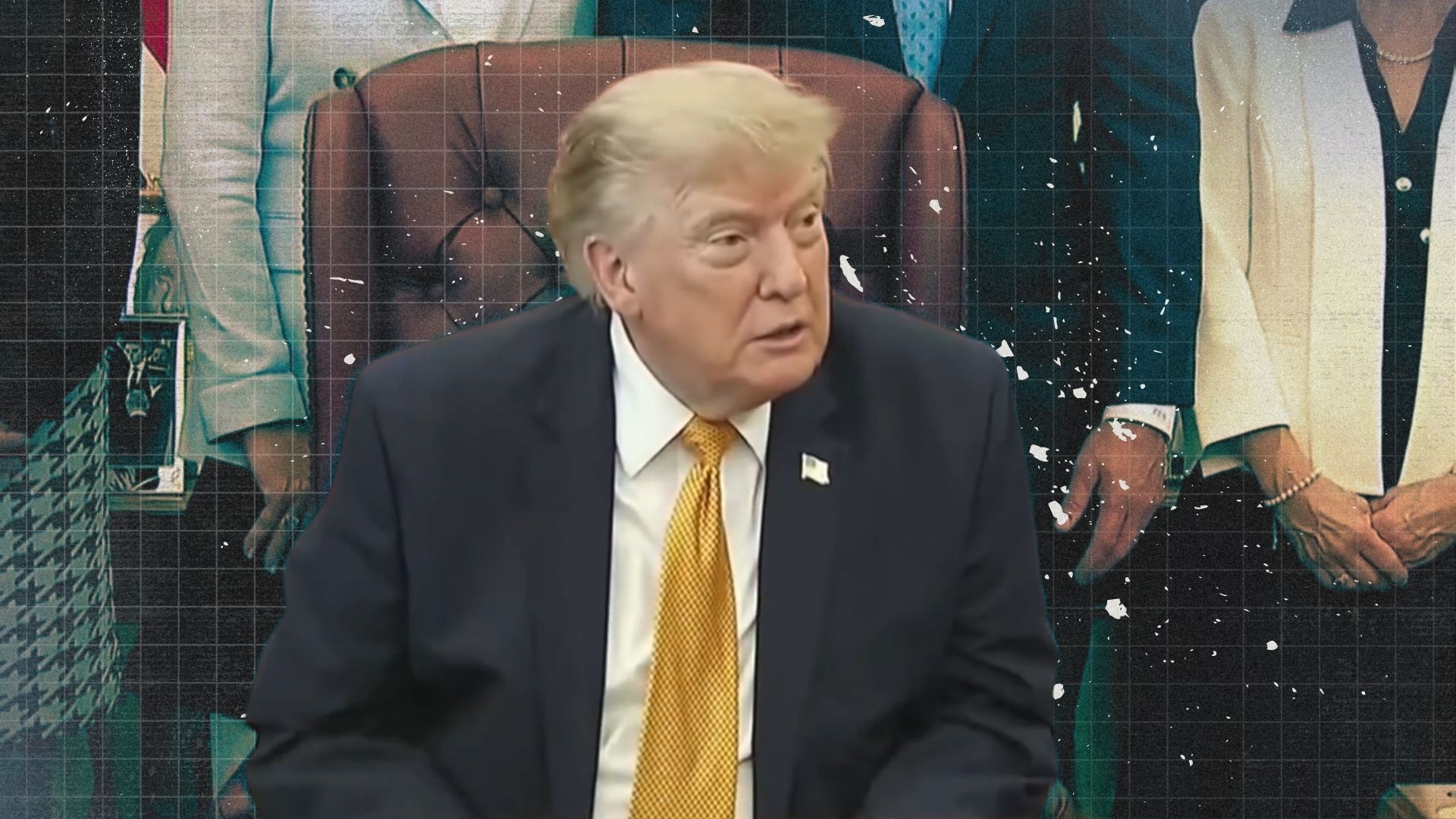
President Donald Trump publicly criticized two of America's largest energy companies, Chevron and ExxonMobil, saying they should reduce fuel prices after reporting strong financial performance.
Speaking during a public event, Trump argued that consumers should benefit when energy companies experience significant increases in earnings.
"Chevron — too much money."
"Exxon Mobil — too much money."
Trump added that he was unhappy with what he viewed as excessive profits while many Americans continue to face higher living costs.
"Give Some of That Back to the Public"
During his remarks, Trump called on energy companies to pass more savings on to consumers rather than keeping all of the financial gains.
According to Trump:
"Give some of that back to the public."
He also suggested that companies reporting substantially higher profits than previous years should reduce retail fuel prices.
"They better cut the retail price, the consumer price."
Energy Markets Remain in Focus
Trump's comments come as global energy markets continue responding to geopolitical developments, including tensions involving Iran and their potential impact on oil prices.
Oil prices can be influenced by many factors, including:
Global supply and demand
OPEC production decisions
Geopolitical conflicts
Transportation costs
Refining capacity
Currency markets
Because of these factors, retail gasoline prices do not always move directly with crude oil prices.
How Oil Companies Respond
Major energy companies generally state that fuel prices are influenced by global market conditions rather than unilateral corporate decisions.
Publicly traded companies such as Chevron and ExxonMobil typically report quarterly earnings while emphasizing investments in production, infrastructure, and shareholder returns.
At the time of publication, neither company had publicly responded to Trump's specific remarks.
Why This Story Matters
Fuel prices affect millions of households and businesses.
Statements from political leaders regarding energy companies often receive significant attention because gasoline prices directly influence transportation costs, inflation, and consumer spending.
Trump's comments also highlight an ongoing debate over corporate profits, market pricing, and whether governments should encourage companies to lower prices during periods of strong earnings.
Key Takeaways
President Trump publicly criticized Chevron and ExxonMobil.
He said consumers should benefit from lower fuel prices.
Trump argued that companies reporting large profits should reduce retail prices.
Neither Chevron nor ExxonMobil had publicly responded at the time of publication.
Frequently Asked Questions
Why did Trump criticize Chevron and ExxonMobil?
Trump said the companies were making excessive profits and should reduce consumer fuel prices.
Did Trump announce new regulations?
No. His remarks were public statements urging companies to lower prices rather than announcing a new federal policy.
What affects gasoline prices?
Fuel prices are influenced by crude oil markets, refining costs, transportation expenses, taxes, and regional supply and demand.
Editorial Note
This article reports comments made publicly by President Donald Trump. His statements regarding corporate profits represent his views. The article does not independently determine whether the companies' profits were excessive or whether retail fuel prices should be reduced.
Costa Rica Says Assassination Plot Against President Has Been Uncovered
January 14, 2026•1 min read
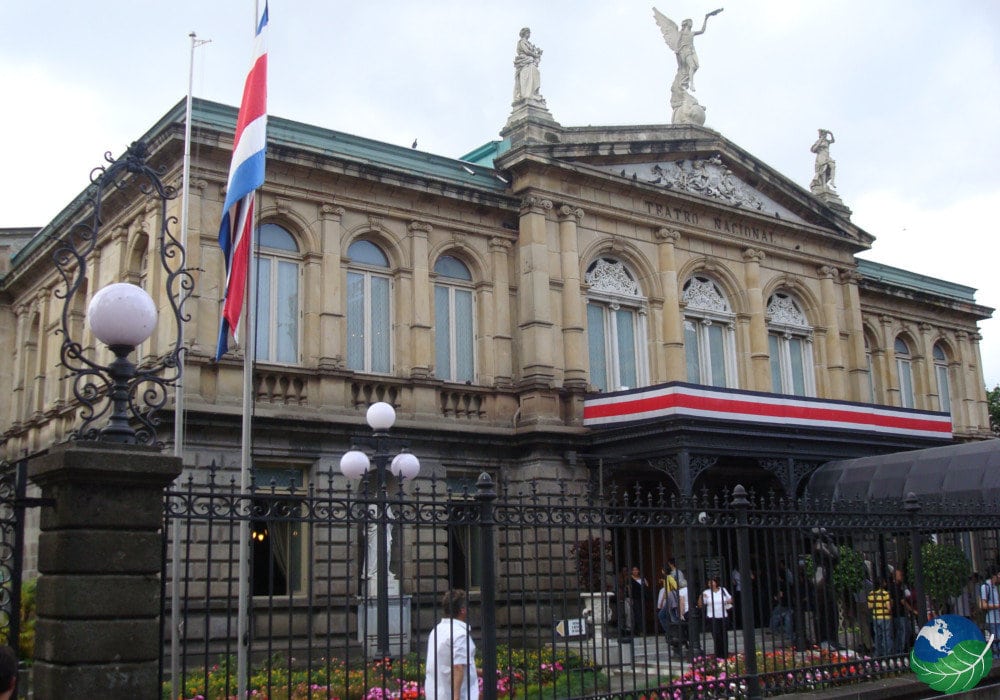
Authorities in Costa Rica say they have uncovered a plot to assassinate President Rodrigo Chaves Robles, prompting heightened security measures and an active investigation by national law enforcement agencies.

Officials confirmed that intelligence gathered by security services pointed to credible threats against the president, though they declined to disclose specific operational details, citing the ongoing nature of the investigation. No arrests have been publicly announced, and authorities emphasized that the situation is being handled under established security protocols.
Costa Rican officials stressed that the president is safe and that additional protective measures have been put in place. The government also urged the public to remain calm, warning against the spread of unverified information while investigators work to identify those involved.
Costa Rica, long known for political stability and the absence of a standing military, has in recent years faced growing challenges related to organized crime and regional security pressures. Analysts note that threats against political leaders, while rare, reflect broader concerns about security dynamics in parts of Central America.
International observers are monitoring developments closely, as any credible threat to a sitting head of state raises concerns beyond national borders. For now, authorities say vigilance remains high as the investigation continues.
When institutions move quietly, it often signals that the threat is being taken seriously.