Trump Links US-China Tensions to Future of the Stanley Cup
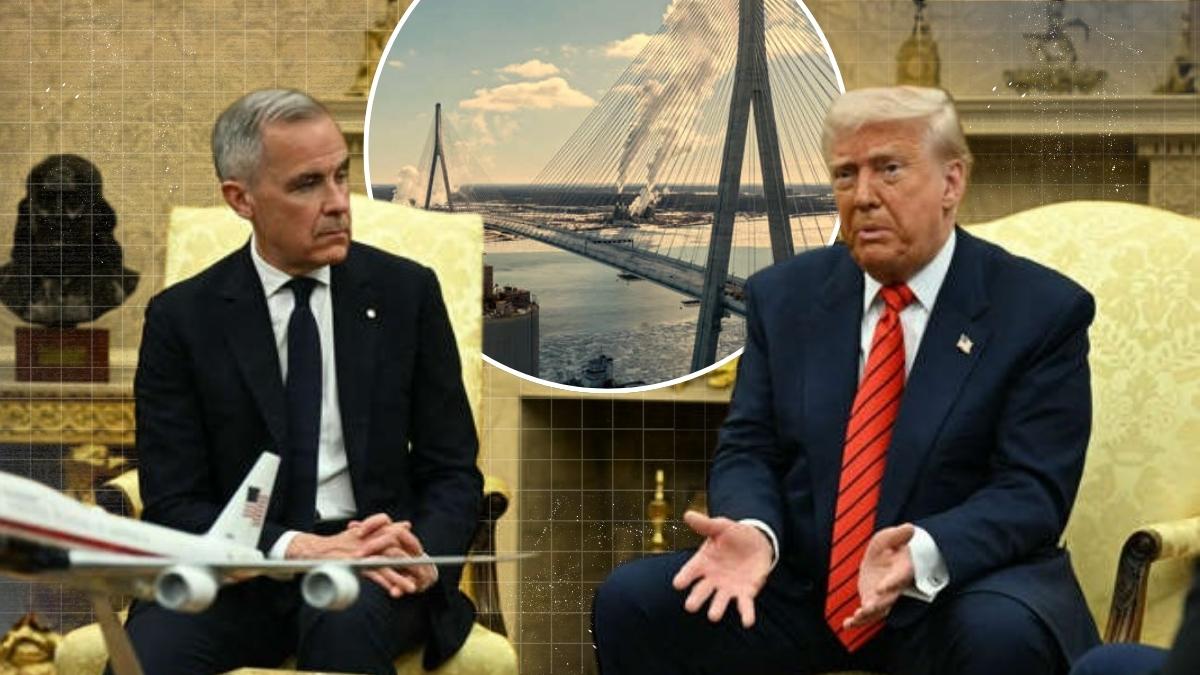
Former U.S. President Donald Trump has once again stirred debate after warning that China could “eliminate the Stanley Cup,” tying the iconic hockey trophy to broader U.S.-China tensions.
The remark, made during a recent public appearance, appears to reference concerns about economic policy, trade relationships, and supply chains — though the phrasing quickly captured headlines for its dramatic tone.
The Stanley Cup is awarded annually to the champion of the National Hockey League (NHL), one of North America’s most historic and culturally significant sports institutions.
Trump’s warning did not suggest that China has direct authority over the NHL. Instead, observers say his comments were likely symbolic — framing economic rivalry with China as having potential downstream impacts on American industries, including sports and entertainment.
🏒 Symbolism Over Specifics?
Analysts interpret the statement less as a literal prediction and more as rhetorical emphasis.
Trump has frequently used high-profile American symbols — from manufacturing to military strength — to illustrate arguments about economic nationalism and trade policy.
In this case, referencing the Stanley Cup amplifies emotional resonance, particularly among hockey fans in the United States and Canada.
There is no current indication that China has taken steps that would directly impact the NHL championship structure.
However, economic ties between global supply chains, sports merchandise manufacturing, broadcasting rights, and sponsorship networks can intersect with broader geopolitical trends.
🌍 Sports and Geopolitics
Sports have long been entangled with global politics.
From Olympic boycotts to World Cup controversies, athletic competitions often reflect larger international dynamics.
The NHL, while primarily North American, operates in a global commercial environment. Equipment manufacturing, apparel production, and media distribution frequently involve multinational supply chains.
Trump’s warning appears rooted in concerns about economic leverage and foreign dependency.
Critics argue the statement exaggerates risk. Supporters frame it as highlighting vulnerabilities.
🇺🇸🇨🇳 US-China Context
Tensions between the United States and China have spanned trade tariffs, technology restrictions, military posturing, and supply chain competition.
Trump’s previous administration implemented tariffs aimed at reducing reliance on Chinese manufacturing, a policy he continues to advocate.
By invoking the Stanley Cup, he may be drawing attention to perceived cultural and economic stakes tied to global trade relationships.
📊 Reaction
The remark generated swift reaction across social media.
Some fans expressed confusion, questioning how geopolitical rivalry could affect a hockey trophy. Others interpreted it as a broader metaphor about protecting American industries.
Sports analysts largely dismissed the idea of direct impact, noting that the NHL remains governed by league officials and franchise owners.
There is no evidence of policy proposals currently targeting professional hockey operations.
🏛️ Rhetoric and Campaign Season
Political observers note that high-impact language often intensifies during election cycles. Referencing iconic American symbols can energize supporters and draw media attention.
Whether viewed as strategic messaging or overstated rhetoric, the comment underscores how global tensions increasingly intersect with cultural touchstones.
📌 The Bottom Line
There is no confirmed policy action threatening the Stanley Cup itself.
However, the episode highlights a broader reality: in today’s political climate, even sports can become part of geopolitical discourse.
The Stanley Cup remains firmly in the hands of the NHL — but the conversation around it reflects how deeply intertwined politics and culture have become.