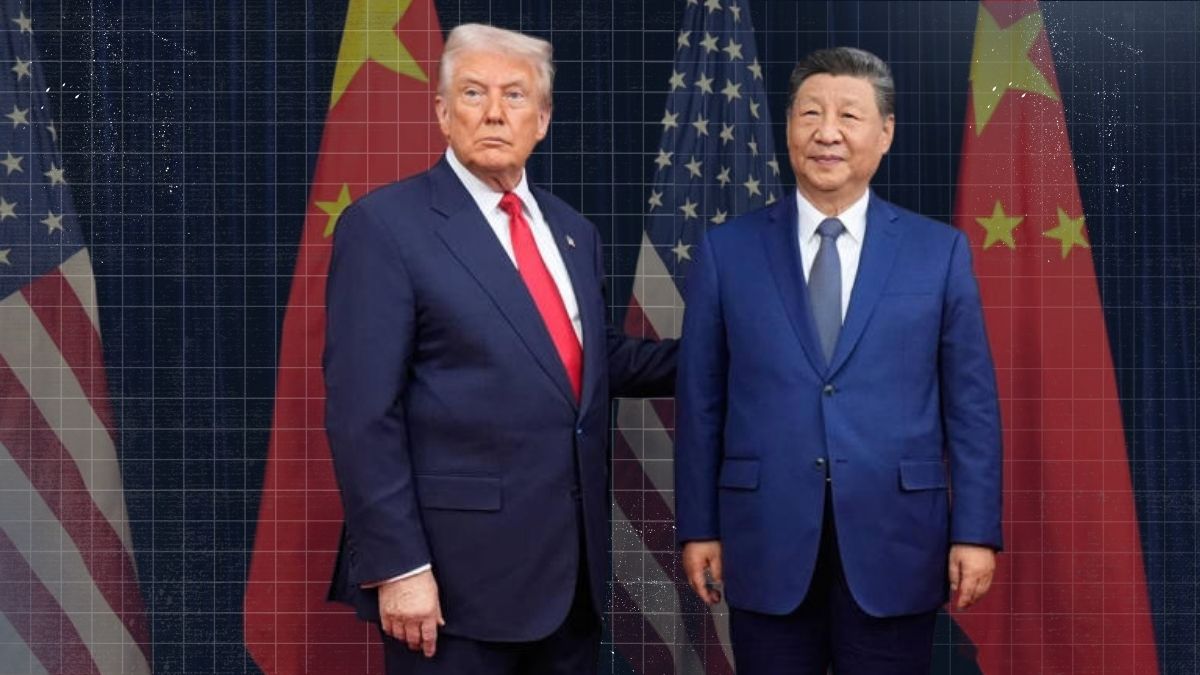
Trump, Xi Discuss Iran as US Presses China and Others to Break From Tehran
Trump and Xi Discuss Iran as US Pushes China to Distance Itself From Tehran
High-level call underscores Washington’s effort to isolate Iran amid rising global tensions.
Former US President Donald Trump and Chinese President Xi Jinping discussed Iran during a recent phone call, as the United States ramps up pressure on China and other countries to reduce ties with Tehran. The conversation reflects Washington’s renewed effort to constrain Iran’s regional influence and nuclear ambitions through diplomatic and economic isolation.
According to officials familiar with the call, Trump emphasized concerns over Iran’s actions in the Middle East, including its support for proxy groups and its nuclear program. The US position, officials said, is that stronger international alignment is necessary to deter Tehran from further destabilizing behavior.
China remains one of Iran’s most important economic partners, particularly in energy and infrastructure. Beijing has long opposed unilateral sanctions, arguing that engagement and dialogue are more effective tools than pressure. This divergence has made Iran a recurring point of friction in US–China relations.
During the call, Trump reportedly urged Xi to reconsider China’s relationship with Iran, framing the issue as one of global security rather than bilateral politics. US officials believe that coordinated pressure from major powers could significantly weaken Tehran’s leverage and limit its ability to fund regional operations.
Iran, for its part, has repeatedly rejected US demands, insisting that its nuclear program is peaceful and that sanctions amount to economic warfare. Tehran has also deepened ties with non-Western powers as relations with Washington and its allies remain strained.
Analysts say the Trump–Xi discussion highlights how Iran has become a strategic bargaining chip in broader great-power competition. While Washington views Iran primarily as a security threat, Beijing sees the relationship through the lens of energy security and geopolitical balance.
China has consistently called for restraint and diplomacy, warning that excessive pressure could provoke escalation. Chinese officials argue that isolating Iran risks pushing it toward more aggressive actions, potentially destabilizing already volatile regions.
The call also comes amid heightened tensions in multiple global theaters, from Eastern Europe to the Indo-Pacific. With diplomatic bandwidth stretched thin, world leaders are increasingly focused on preventing crises from overlapping and compounding one another.
For the United States, persuading China to distance itself from Iran would represent a significant diplomatic victory. However, experts caution that Beijing is unlikely to fully align with Washington’s approach, especially if it perceives US pressure as undermining its strategic autonomy.
At the same time, China is wary of being seen as shielding Iran from accountability. Balancing economic interests with global image has become increasingly complex for Beijing as scrutiny intensifies.
The Trump–Xi call follows a pattern of leader-level engagement aimed at managing rivalry while addressing shared concerns. While deep disagreements persist, direct communication is often seen as a way to establish guardrails and reduce the risk of miscalculation.
For Iran, the conversation signals that its relationships with major powers are under growing examination. Whether this leads to meaningful shifts in policy—or further entrenchment—remains uncertain.
As global alignments continue to evolve, Iran’s position at the center of diplomatic maneuvering underscores its role as a key variable in international security. The Trump–Xi discussion suggests that decisions made in Washington and Beijing could have far-reaching consequences for Tehran—and for the stability of the regions it influences.