Trump’s Pearl Harbor Joke Leaves Japan’s PM Visibly Uncomfortable — Awkward Moment Goes Viral
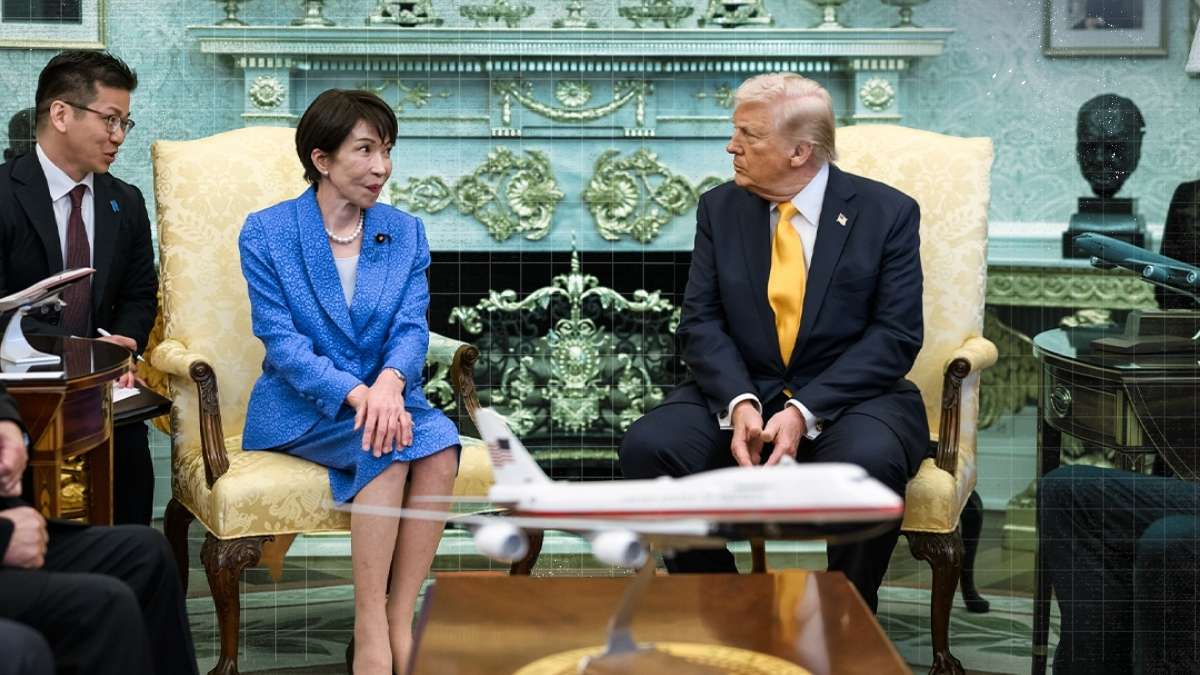
A tense and unexpected moment unfolded at the White House as Donald Trump made a controversial remark referencing the Pearl Harbor attack—while standing beside Japan’s Prime Minister Sanae Takaichi.
The exchange happened during a joint press interaction, where a Japanese journalist asked why the United States did not inform its allies, including Japan, ahead of recent military strikes on Iran. In response, Trump emphasized the importance of “surprise” in military strategy.
But what followed quickly shifted the tone of the room.
Trump remarked, “Who knows better about surprise than Japan?”—a clear reference to the 1941 Pearl Harbor attack. He then added, “Why didn’t you tell me about Pearl Harbor?”
The comment initially drew some laughter, but the atmosphere quickly turned awkward.
Prime Minister Takaichi’s reaction became the focal point of the moment. Her expression visibly changed, and she paused, appearing to take a deep breath before continuing. Observers noted the discomfort, as the historical reference touched on a deeply sensitive chapter in both U.S. and Japanese history.
The Pearl Harbor attack, which took place on December 7, 1941, resulted in the deaths of over 2,400 Americans and led directly to the United States entering World War II. Because of its significance, it remains one of the most sensitive historical events in U.S.-Japan relations.
While Trump’s supporters viewed the remark as an off-the-cuff joke, critics argued that invoking such a painful historical moment in a diplomatic setting was inappropriate. The incident quickly spread across social media, with clips and headlines going viral worldwide.
Despite the awkward exchange, Takaichi maintained composure and continued the meeting professionally. She reiterated Japan’s position on global issues, including its legal limitations on military involvement and its desire to maintain stability in the Middle East.
The meeting itself was intended to strengthen the U.S.-Japan alliance, particularly amid rising tensions involving Iran and global energy security. However, the Pearl Harbor remark overshadowed much of the diplomatic agenda.
This moment highlights a broader reality in international relations—history carries weight. Even decades later, references to past conflicts can still evoke strong reactions, especially when brought up unexpectedly in high-level discussions.
In today’s fast-moving digital world, even a single sentence can travel globally within minutes. And in this case, one remark turned a routine diplomatic meeting into a viral moment—reminding everyone that words matter, especially on the world stage.