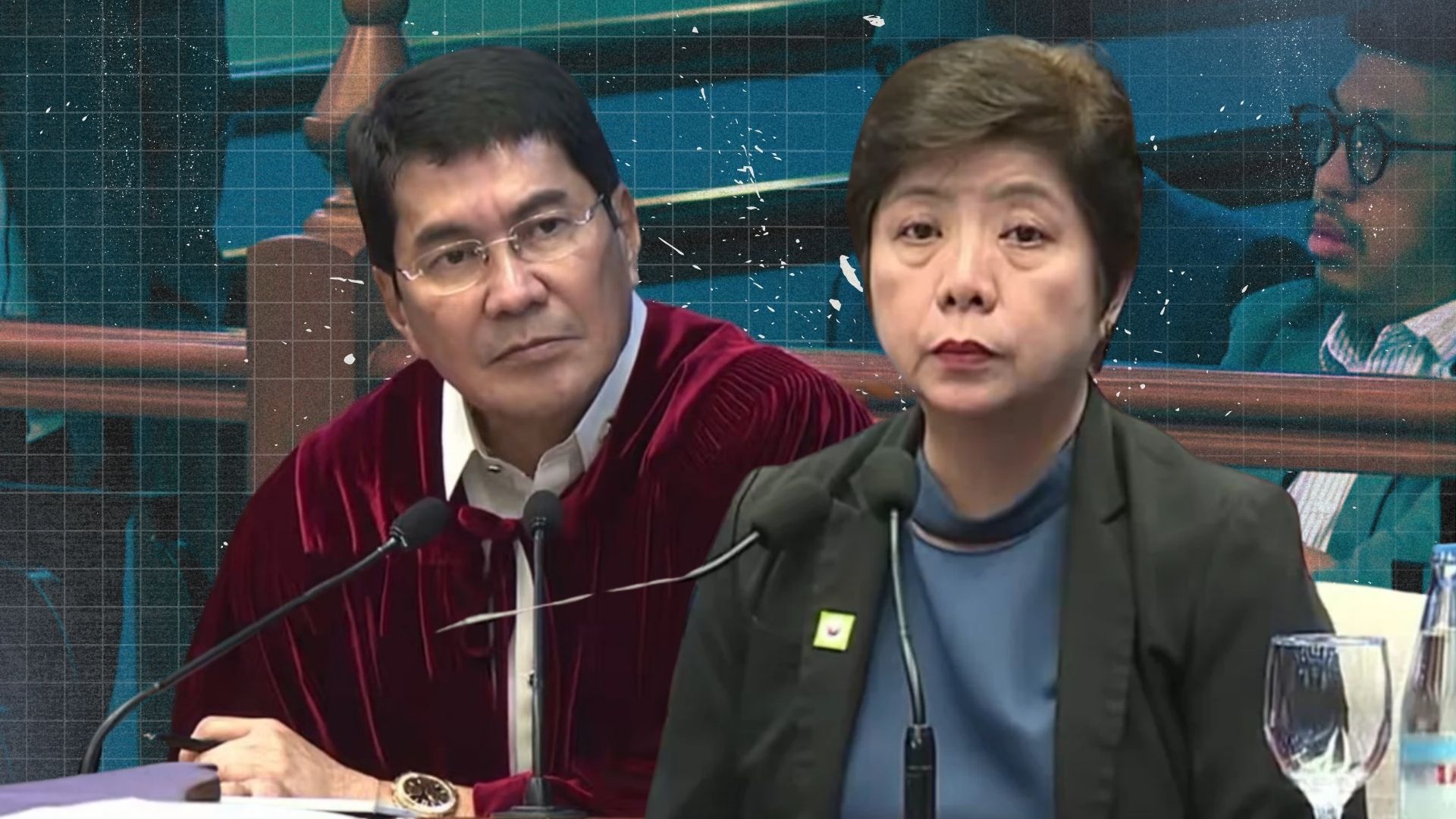
“UNUSUAL” PERO WALANG TANONG? ERWIN TULFO QUESTIONS BANK WITNESS OVER LARGE OVP WITHDRAWAL
“Unusual” Pero Walang Tanong? Erwin Tulfo Questions Bank Witness Over Large OVP Withdrawal
By Politikanta Minute | July 29, 2026
A Senate hearing took a closer look at a large cash withdrawal involving the Office of the Vice President as Representative Erwin Tulfo questioned a bank witness about the transaction's unusual size and the procedures followed before the funds were released.
The exchange centered on a basic question:
When a government agency withdraws an unusually large amount of cash, is the bank expected to ask what the money will be used for?
According to the witness, the transaction was considered unusual from the bank's perspective.
But despite that, the bank did not ask the agency what the funds were intended for.
The OVP Account
Tulfo first asked whether former Vice President Leni Robredo had also opened an account with the bank.
The witness explained that the bank had simply received the transfer of the Office of the Vice President's MDS account in September 2022, following the relocation of the OVP office to Pioneer in Mandaluyong.
Tulfo then shifted to the size of the withdrawals.
He asked whether it was normal for a government agency to withdraw such a large amount of cash and whether the witness had encountered similar transactions involving other government agencies.
The response was revealing.
The witness described the withdrawal as “unusual.”
That answer immediately prompted Tulfo to ask a follow-up question.
If the withdrawal was unusual, why didn't the bank ask what the money was for?
“Saan Kaya Gagamitin?”
Tulfo compared the situation to his own experience with private banking.
He explained that when large transactions occur in his personal banking experience, bank employees may ask questions about the purpose of the funds.
The witness, however, explained that the bank did not ask in this particular case.
Her explanation was that the transaction had already been accompanied by an official advice or instruction forwarded to the branch.
In other words, from the bank's perspective, the transaction had already gone through the agency's internal process.
The witness indicated that because the bank had received the appropriate advice, there was no need for the branch to ask additional questions about the purpose of the withdrawal.
That explanation led Tulfo to ask about the bank's standard operating procedure.
What Is the SOP for Large Withdrawals?
Tulfo asked what the standard operating procedure is when government agencies make large withdrawals.
Was there a special procedure?
Were government agencies exempt from additional questioning?
Or were there specific safeguards that applied regardless of the agency involved?
The witness explained that there was no special exception simply because the account belonged to a government agency.
However, she again pointed to the fact that the OVP transaction had been accompanied by prior advice forwarded to the branch.
That appeared to be the reason the bank proceeded without asking what the money would ultimately be used for.
The exchange highlighted a key distinction.
The bank may have had a procedure for processing the transaction.
But Tulfo was asking whether the unusual size of the withdrawal should have triggered additional questions regardless.
Did the Bank Know It Was for Intelligence Funds?
Tulfo then asked the witness a particularly important question:
Did she know that the money being withdrawn was intended for intelligence funds?
Her answer was clear:
No.
She said she did not know that the withdrawal involved intelligence funds.
Tulfo then asked whether the unusually large amount had caused the bank to become suspicious.
The witness acknowledged that, from a personal perspective, the size of the transaction naturally raised questions.
She essentially wondered where such a large amount of cash would be used.
But she explained that the bank did not formally ask because the transaction already had the necessary advice or documentation from the agency.
That distinction is important.
The witness's testimony, as presented during the hearing, does not indicate that the bank knew the funds were for intelligence purposes.
Instead, the testimony suggests that the bank processed the withdrawal based on the documentation and advice provided by the government agency.
How Common Are Large Government Withdrawals?
Tulfo then asked whether other government agencies maintained accounts at the same branch.
The witness said there were many government agencies with accounts there.
Tulfo followed up:
Did those agencies also make withdrawals of similar size?
The witness said that, so far, she had not encountered withdrawals of the same magnitude.
She explained that many government agencies had transitioned to online systems and electronic methods, including ATM-based payroll systems.
As a result, large cash withdrawals had become less common.
That answer added another layer to the discussion.
If large cash withdrawals are now unusual among government agencies, then the size of the OVP transaction naturally becomes a question worth examining.
The Politikanta Minute Take
The heart of Tulfo's questioning was not simply whether the withdrawal was legal.
The more immediate issue was whether the bank's verification process was sufficient given the unusual size of the transaction.
The witness acknowledged that the withdrawal was unusual.
She also acknowledged that the bank did not ask what the cash would be used for.
Her explanation was that the transaction had already been accompanied by official advice from the government agency.
The bank therefore treated the transaction as having already passed through the agency's internal process.
But Tulfo's questions raise a legitimate issue:
Should an unusually large cash withdrawal automatically trigger additional scrutiny—even when the transaction comes from a government agency and is accompanied by prior advice?
That's a question that goes beyond one transaction.
It's about how financial institutions handle large movements of public money.
Government agencies may have legitimate reasons for making large withdrawals.
Banks also have procedures designed to process authorized transactions.
But when the amount is unusually large, additional questions about safeguards and verification are understandable.
The witness's testimony also makes one thing clear:
The bank says it did not know the withdrawal was connected to intelligence funds.
That means the focus should remain on what the bank knew at the time, what documentation it received, and what its procedures required.
The bigger issue is not whether the bank should have magically known the purpose of the money.
The question is whether the bank did everything its procedures required when faced with a transaction it itself described as unusual.
Because when large amounts of public money are involved, the public deserves confidence that the system has safeguards strong enough to prevent abuse.
Not every unusual transaction is illegal.
But every unusual transaction should be capable of being explained.
And that's ultimately the question raised by Tulfo's line of questioning:
Was the transaction properly verified—and was the process followed all the way through?
✝️ BIBLE VERSE CONNECTION
Luke 16:10 (KJV)
“He that is faithful in that which is least is faithful also in much.”
Exegesis / Reflection
This verse speaks to the principle of stewardship.
When people are entrusted with resources—especially resources belonging to others—the responsibility to handle them carefully becomes even greater as the amount increases.
In this case, the Senate hearing is examining how a bank handled a particularly large government transaction.
The fact that a transaction is unusually large does not automatically make it improper.
But large amounts naturally demand strong accountability.
The principle is simple:
The greater the responsibility, the greater the need for careful stewardship.
Government money carries an additional responsibility because it ultimately belongs to the public.
That means systems should be designed so that transactions can be properly documented, verified, and explained.
The witness testified that the bank relied on prior advice from the agency and did not know the withdrawal was for intelligence funds.
The key question, therefore, is whether the procedures followed were sufficient under the circumstances.
Transparency does not mean assuming every transaction is suspicious.
It means ensuring that every transaction can withstand legitimate scrutiny.
Because public trust is built when institutions can answer a simple question:
“Show us that the process was properly followed.”
Lacson Nagbigay Linaw sa Partial Committee Report ng Flood Control Investigation
March 12, 2026•2 min read
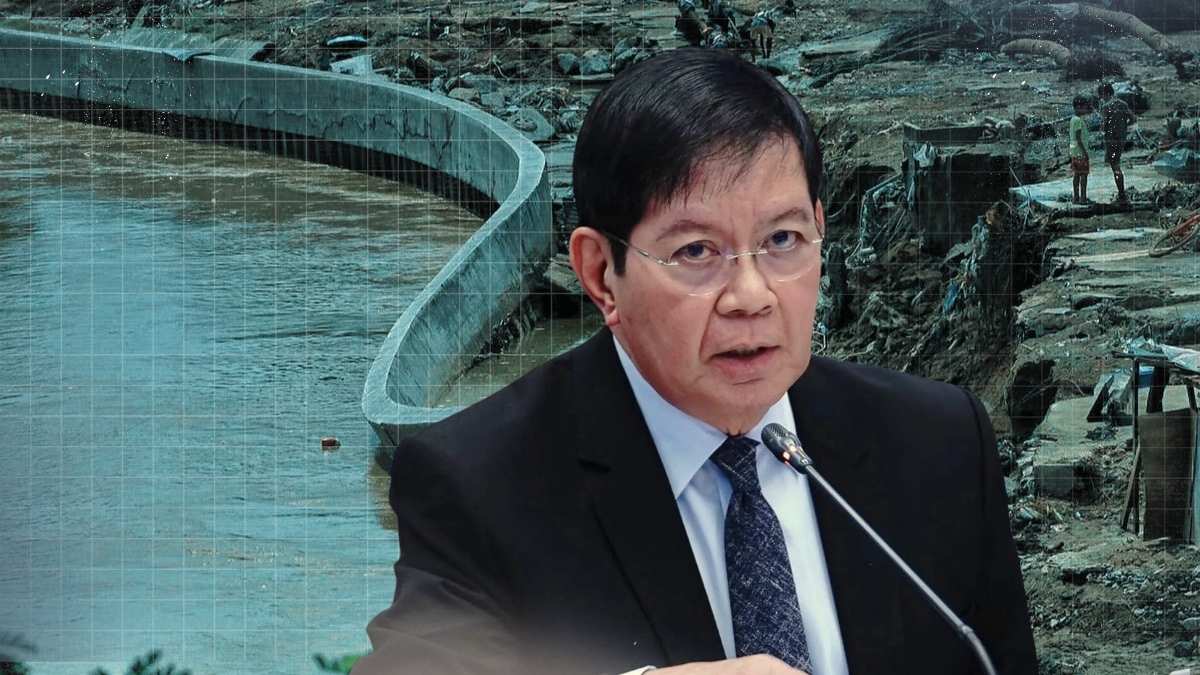
Nagbigay ng update si Senador Panfilo “Ping” Lacson tungkol sa estado ng committee report sa patuloy na imbestigasyon sa mga flood control projects sa bansa.
Sa isang panayam, ipinaliwanag ni Lacson na kasalukuyang may apat na senador na ang lumagda sa partial committee report, kabilang na siya mismo. Ayon sa kanya, kailangan pa ng karagdagang limang pirma mula sa mga miyembro ng komite upang maipresenta ito sa plenary session ng Senado.
Aniya, umaasa siyang mababasa ng ibang miyembro ng komite ang ulat at makapagbibigay ng kanilang pirma upang maisulong ang report sa susunod na yugto ng deliberasyon.
Ipinaliwanag ni Lacson na kapag naipresenta na ang report sa plenary at ito ay ma-adopt ng Senado, maaari nang magpatuloy ang imbestigasyon sa pamamagitan ng mga susunod na pagdinig.
Ayon sa senador, ang layunin ng susunod na hearing ay hindi lamang upang tapusin ang inquiry kundi upang makabuo ng mas malinaw na konklusyon tungkol sa mga isyung lumitaw sa imbestigasyon.
Nang tanungin kung maaari bang matapos ang proseso bago ang Senate break, sinabi ni Lacson na posible pa ring magpatuloy ang mga pagdinig.
Sa kanyang paliwanag, maraming senador ang mananatili sa bansa sa panahon ng break kaya may pagkakataon pa ring magsagawa ng mga hearing kung kinakailangan.
Gayunpaman, sinabi rin ni Lacson na nais muna niyang maresolba at ma-adopt ang partial committee report bago magtakda ng susunod na pagdinig.
Para sa publiko, ang imbestigasyon sa flood control projects ay mahalaga dahil direktang nakaaapekto ang mga proyektong ito sa kaligtasan ng mga komunidad na madalas nakakaranas ng pagbaha.
🦅 Politikanta Insight
Sa politika, ang isang committee report ay hindi lamang dokumento.
Ito ay maaaring maging simula ng accountability.
Ngunit tulad ng maraming imbestigasyon sa pamahalaan, ang tunay na tanong ng taumbayan ay hindi kung ilang hearing ang gagawin—
kundi kung may pananagutan bang haharap sa dulo ng proseso.
Dahil para sa mga komunidad na paulit-ulit binabaha, ang isyu ng flood control ay hindi lamang debate sa Senado.
Ito ay usapin ng buhay, bahay, at kinabukasan ng mamamayan.
📖 BIBLE VERSE
“He that is faithful in that which is least is faithful also in much.”
— Luke 16:10 (KJV)