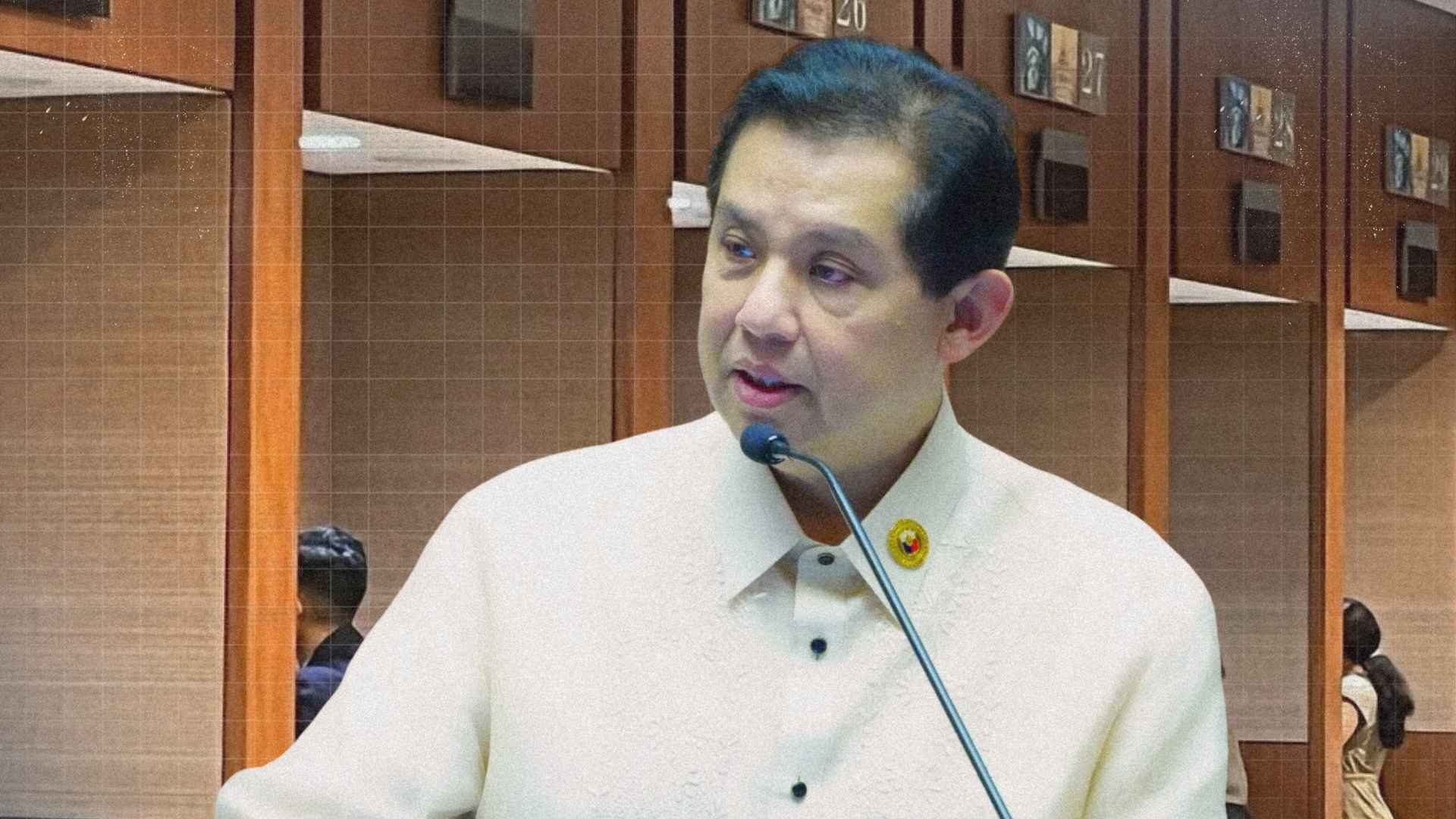
“US Embassy Mum”
“US Embassy Mum”
Speculation Intensifies Over Reported Visa Cancellation Of Martin Romualdez
Fresh political controversy erupted after the US Embassy in Manila declined to confirm or deny reports that the United States government allegedly revoked the diplomatic and tourist visas of Leyte Representative and former House Speaker Martin Romualdez.
The issue emerged following an exclusive report by Bilyonaryo News Channel claiming that Romualdez’s A-1 diplomatic visa and B1/B2 tourist visa had supposedly been cancelled several weeks earlier.
When asked for confirmation, the US Embassy avoided directly addressing the report.
Instead, embassy spokesperson Jameson DeBose cited long-standing confidentiality rules regarding visa matters.
“Due to visa record confidentiality, the US Department of State does not comment on individual visa cases or specific actions taken.”
That response immediately fueled even more speculation online.
Because while the embassy did not confirm the allegation —
it also did not deny it.
The Political Context
The reported visa issue surfaced amid continuing political tensions involving allegations tied to controversial flood control projects and corruption accusations that have increasingly dominated Senate hearings and public discourse.
Romualdez has repeatedly denied wrongdoing and has not been formally charged in court.
Still, his name has repeatedly surfaced in discussions connected to political conflict, institutional instability, and corruption-related allegations currently shaking multiple government institutions.
The timing of the report therefore immediately drew attention from both supporters and critics of the administration.
Why Visa Revocations Become Politically Sensitive
In Philippine politics, reports involving US visa cancellations often carry symbolic political weight far beyond immigration matters themselves.
For many Filipinos, such developments are sometimes interpreted as indicators of deeper diplomatic concerns, international scrutiny, or reputational issues involving political figures.
However, legal experts also caution against jumping to conclusions.
US visa revocations can occur for many reasons —
and confidentiality rules often prevent officials from publicly explaining details even when reports circulate widely.
That ambiguity is exactly why cases like this become politically explosive.
Because silence itself often becomes interpreted politically.
“No Formal Charges”
An important detail repeatedly emphasized in discussions surrounding Romualdez is this:
He has not been formally charged in court.
That distinction matters legally and politically.
Critics argue that unresolved allegations involving public funds and infrastructure projects deserve full investigation regardless of formal charges.
Supporters, meanwhile, insist that allegations alone should never be treated as proof of guilt.
This tension between suspicion and due process continues defining many of today’s politically charged controversies.
Here’s What This Really Means…
The bigger issue here may not even be the visas themselves.
It is the growing perception that political instability, corruption allegations, and institutional conflicts are now extending beyond domestic politics and attracting international attention.
Whether or not the reports are ultimately confirmed, the story already affects public perception.
Because in modern politics, optics matter.
And when government figures become linked to reports involving foreign visa scrutiny, public speculation naturally intensifies.
For critics of the administration, the report reinforces broader concerns about accountability and political power.
For supporters, the lack of official confirmation means caution and due process should still prevail.
But regardless of political alignment, one thing is clear:
public trust remains deeply fragile.
And every new controversy now carries larger political consequences than before.
Public Reaction Online
Online reactions quickly divided into opposing interpretations.
Some netizens viewed the embassy’s refusal to deny the report as suspicious and politically significant.
Others argued that visa confidentiality rules are standard diplomatic practice and should not automatically be interpreted as confirmation.
Meanwhile, many Filipinos expressed frustration that the country continues facing overlapping controversies involving Senate disputes, corruption allegations, impeachment tensions, and institutional instability all at the same time.
Still, the controversy once again demonstrated how rapidly political speculation can escalate in today’s information environment.
Exegesis Bible Verse
Luke 8:17
“For there is nothing hidden that will not be disclosed, and nothing concealed that will not be known or brought out into the open.”
Exegesis
This verse reminds believers that truth eventually surfaces, whether through investigation, accountability, or time itself. In public life, secrecy and speculation often create confusion, but wisdom requires patience, fairness, and discernment before drawing conclusions. Transparency strengthens trust, while uncertainty fuels division and suspicion.
HOUSE WATCH | When the Outcome Is Announced Before the Process
January 18, 2026•1 min read
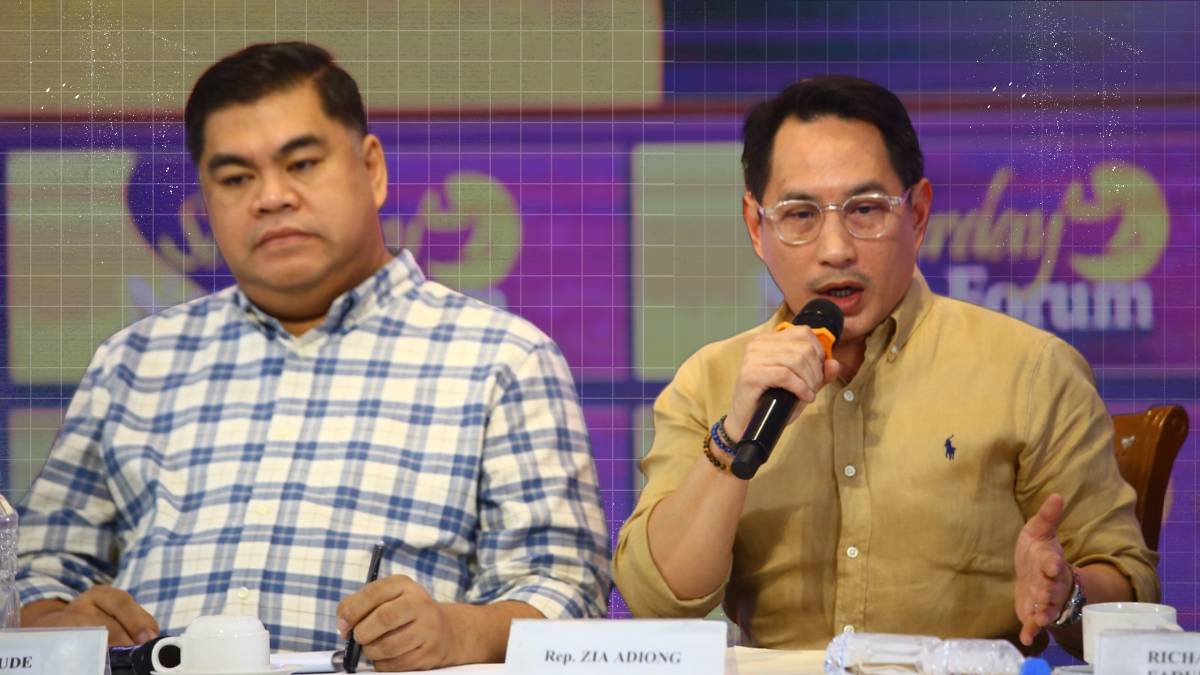
In some debates, arguments are made.
In others, conclusions arrive early.
Allies in the House of Representatives said that any plan to impeach President Ferdinand Marcos Jr. is unlikely to prosper, signaling firm resistance even as impeachment talk continues to circulate in political and civic spaces.
According to House allies, the numbers simply aren’t there. Support within Congress, they said, remains solid enough to block any serious momentum, framing impeachment efforts as more rhetorical than realistic.
The statement effectively shuts the door before it’s fully opened—redirecting the conversation from whether allegations merit scrutiny to whether they can survive a vote. Supporters of the President say this reflects stability. Critics see it as insulation.
Quietly, the remark reveals a familiar dynamic: impeachment is not only a legal mechanism, but a math problem. Evidence may fuel debate, but alliances decide outcomes.
For the public, the message lands with mixed effect. Reassurance for some. Resignation for others. In either case, the emphasis is clear:
the House has already counted the votes.