US Sanctions ICC Judges: When Global Justice Collides with Superpower Politics
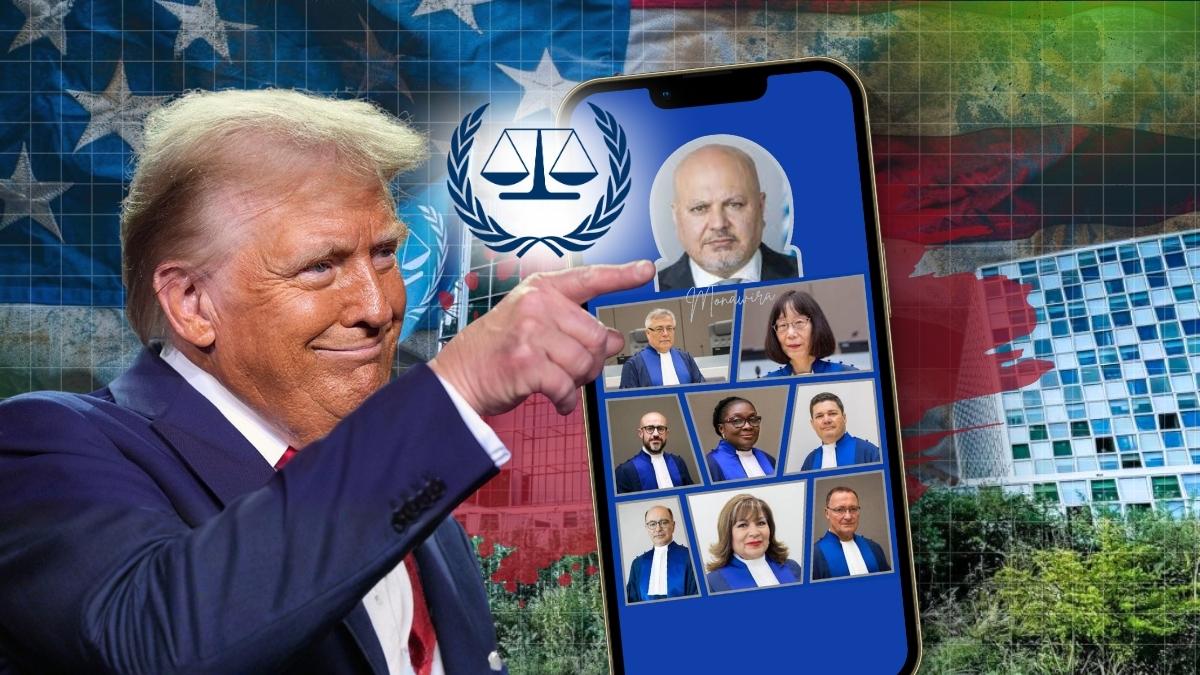
The United States has imposed sanctions on nine officials of the International Criminal Court (ICC), including several judges—an extraordinary move that has reignited debate over sovereignty, accountability, and the limits of international justice.

The sanctions stem from ICC investigations involving U.S. and Israeli officials, a red line Washington has repeatedly warned against. As neither the United States nor Israel is a member of the ICC, American officials argue the court has no jurisdiction over their nationals.
But critics see something deeper.
Sanctions typically target warlords, terrorists, and dictators. This time, they were aimed at judges—legal officers tasked with interpreting international law. Bank restrictions, travel bans, and digital access limitations reportedly affected not just the officials, but their families as well.
The ICC, based in The Hague, was established to prosecute crimes against humanity, genocide, and war crimes—particularly when national courts fail to act. Yet this incident highlights a global reality many quietly acknowledge:

⚖️ Justice without power is fragile.
Power without accountability is dangerous.
Supporters of the sanctions argue this is about defending national sovereignty. Detractors warn it sets a precedent where global law bends under geopolitical pressure.
📖 “Do not pervert justice or show partiality.” — Deuteronomy 16:19
For countries like the Philippines—once entangled with ICC scrutiny—this development sends a loud signal:
international justice exists, but only as far as power allows it to move.
This isn’t just about the ICC.
This is about whether global rules apply equally—or selectively.