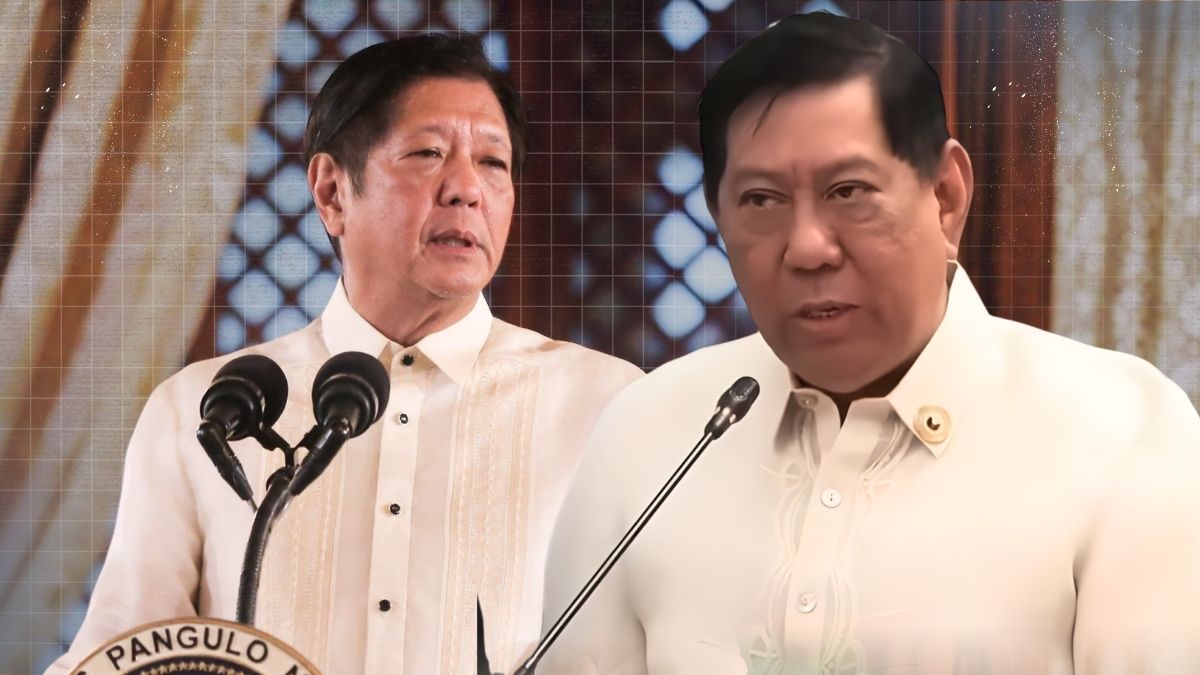
When Congress Blocks Evidence, Does It Block the Truth? Erice Votes NO
During a tense committee session, Edgar Erice cast a vote that quickly echoed beyond the halls of Congress.
“When Congress blocks the presentation of evidence, Congress blocks the search for truth.”
He voted NO on the committee report and warned that the consequences of the decision extend far beyond impeachment — potentially affecting democracy, the economy, and the future of the Filipino people.
It was not just a vote. It was a protest.
But what exactly was being blocked? And does rejecting a committee report automatically mean suppressing truth?
🧭 The Constitutional Context
Impeachment in the Philippines is not merely political. It is a constitutional mechanism designed to hold high officials accountable through a structured legal process.
The steps generally include:
Determining sufficiency in form
Determining sufficiency in substance
Committee deliberation
Plenary vote
A vote to dismiss at the committee level does not necessarily mean evidence was silenced. It may mean the majority concluded that the complaint failed to meet constitutional thresholds.
However, perception is powerful. If hearings appear rushed or limited, critics will naturally question transparency.
🔍 Erice’s Core Concern
Erice’s position hinges on one idea: truth requires exposure.
If evidence is not allowed to be presented, tested, and debated, the public cannot evaluate it. That, in his view, weakens democratic accountability.
His warning about economic and democratic consequences may sound dramatic — but institutional credibility does influence:
Investor confidence
Public trust
Political stability
Markets react not only to numbers, but to signals of governance quality.
⚖️ The Counterargument
Supporters of the committee’s decision argue:
Majority rule is still democratic rule.
Not every complaint deserves full trial-level exposure.
The Constitution sets thresholds to prevent weaponization of impeachment.
From this angle, dismissal is not suppression — it is procedural discipline.
And here lies the tension:
Is this protection of stability, or protection of power?
🦅 Agila Perspective
Strength in leadership is not just about winning votes. It is about winning legitimacy.
If Congress wants the public to trust its decisions, transparency must be visible, not assumed.
At the same time, opposition lawmakers must ensure their warnings do not become exaggerated narratives that erode institutions unnecessarily.
Truth is not blocked by votes alone.
Truth is blocked when process lacks clarity.
📌 The Bigger Democratic Question
The deeper issue is this:
Do Filipinos believe that impeachment processes are decided by evidence — or by numbers?
That perception will shape not only this controversy, but future accountability efforts.
Because in politics, once trust erodes, rebuilding it is harder than winning any vote.
