Who Was Maria Catalina Cabral? A Career Between Excellence and Controversy
Maria Catalina Cabral was once held up as a symbol of achievement in Philippine infrastructure — a woman who broke barriers in a field long dominated by men.

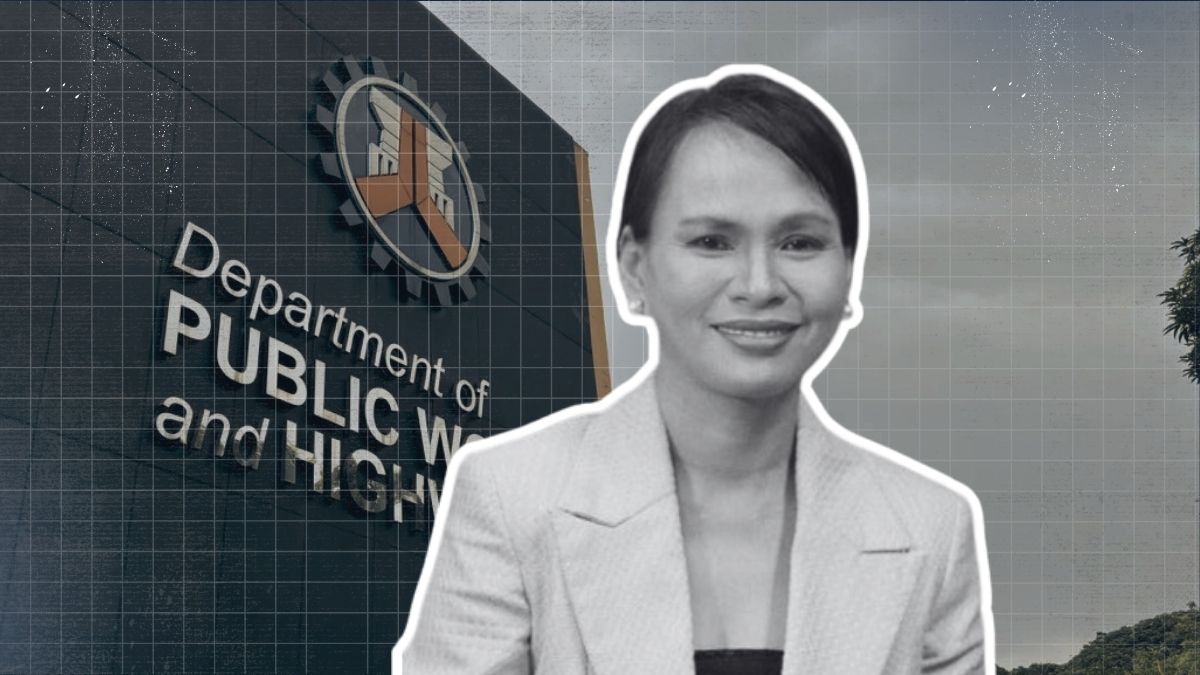
A licensed civil engineer with advanced degrees, Cabral rose through the ranks of the Department of Public Works and Highways (DPWH), eventually becoming Undersecretary in charge of Planning and Public-Private Partnerships. Her résumé included leadership awards, international recognitions, and academic credentials that placed her among the most accomplished technocrats in government.
She was often described as a “model for women in infrastructure.”
Yet history rarely judges only by résumés.

In her final months, Cabral’s name surfaced in congressional and independent commission investigations into anomalous flood-control projects — a sector long criticized for ghost projects, inflated costs, and political insertions. She appeared in hearings, confirmed signatures, and later resigned from her post amid intensifying scrutiny.
Then, before accountability could fully run its course, her story ended.
Her death, reported after an alleged fall, has left a nation unsettled — not because of rumor, but because of unresolved questions.
This is where the Eagle pauses.
Because Cabral’s story is not just about one official. It reflects a larger truth about governance: how even the most decorated careers can end under the weight of systemic corruption, and how institutions often fail to deliver closure before tragedy intervenes.
A strong democracy does not erase achievements — but neither does it exempt anyone from accountability.
The lesson here is sobering:
Awards do not cancel responsibility.
Titles do not replace transparency.
And silence is never a substitute for truth.
“To whom much is given, much will be required.” — Luke 12:48
The Eagle does not condemn the dead.
It challenges the living — to build systems where integrity survives pressure, and justice does not arrive too late.

When Silence Falls: Power, Fear, and the Cost of Corruption
In a country where corruption investigations often end in press conferences, delays, or silence, the sudden death of a former public official under scrutiny leaves more questions than answers.

Former DPWH Undersecretary Maria Catalina Cabral was found unconscious near the Bued River and later pronounced dead. Authorities have reported the incident as an alleged fall. Investigations are ongoing.
But beyond the official statements, the public reaction reveals something deeper.
This is not just about one person.
It is about a system where accountability feels dangerous, truth feels delayed, and silence often arrives faster than justice.
Over the past months, corruption allegations involving flood-control projects have shaken public confidence. Names were mentioned. Hearings were televised. Promises were made. And yet—no major convictions, no visible closure, no restored trust.
When someone tied to such controversies dies before the truth is fully laid bare, the nation does not celebrate. It grows uneasy.
Because in a healthy democracy, truth should not die before verdicts are reached.
The Eagle does not rejoice in death.
The Eagle watches.
And what it sees is a people asking:
Why does accountability move slower than tragedy?
This is why institutions matter more than personalities. Justice must not depend on who survives long enough to testify. Truth must not rely on courage alone.
“For nothing is hidden that will not be made manifest, nor is anything secret that will not be known and come to light.” — Luke 8:17
The call remains the same:
Clean governance. Real accountability. Courage without fear.
Not tomorrow.
Not after another headline.
Now.