
Support Politikanta Minute
Your support keeps independent commentary alive.
☕ Buy us a coffee and keep the conversation going
Latest Videos
Curated Politikanta Minute playlists by focused political topic.
DUTERTE Issues
Latest DUTERTE-related updates, reactions, political tension, hearing clips, and issue breakdowns.
Watch MoreBBM Legacy Playlist
Senate Circus Playlist
House of Representatives Scandals Playlist
18 Marines Playlist
Global Entertainment Playlist
Global News Playlist
Bible Scripture Playlist
Breaking News Playlist
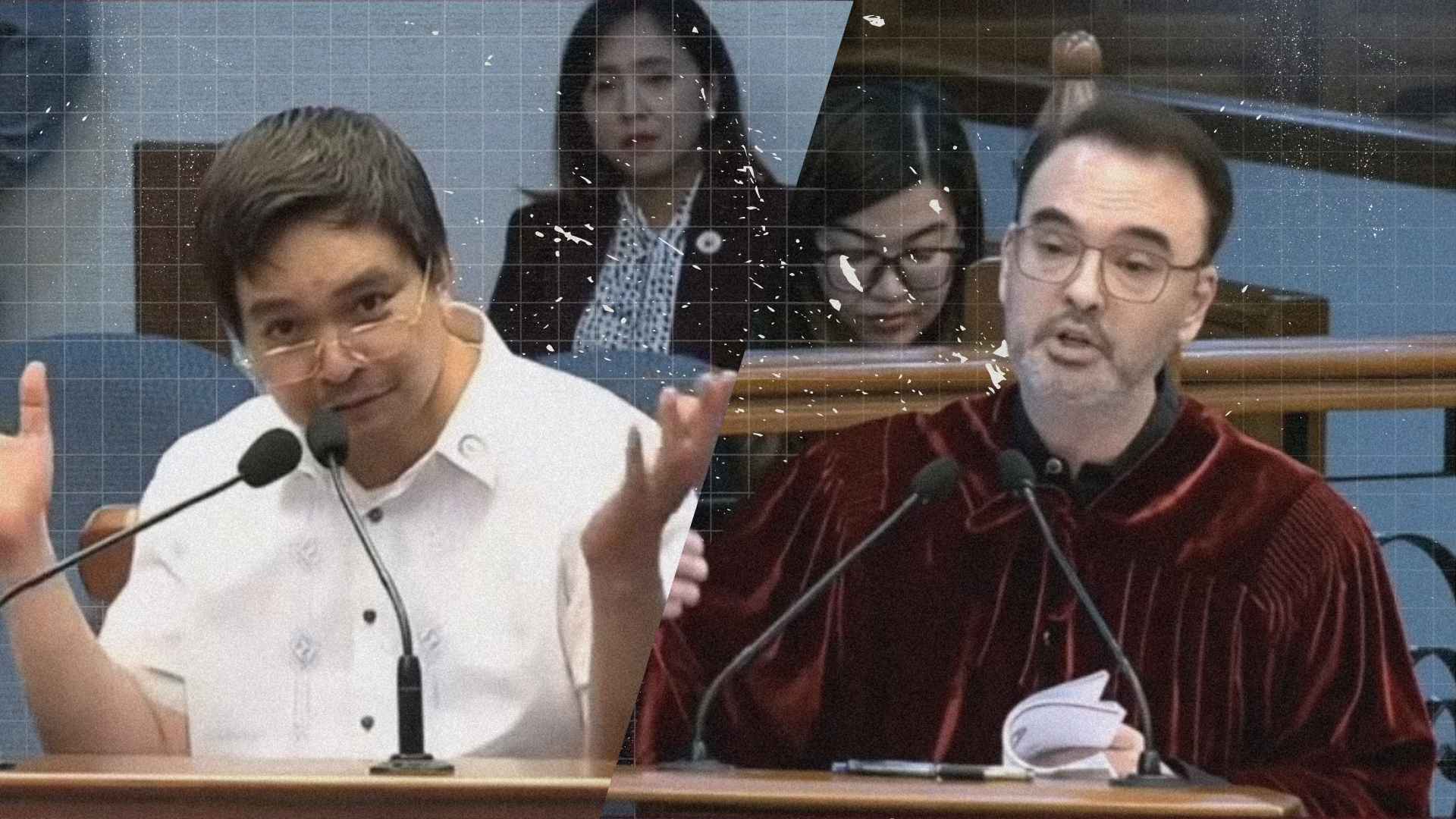
Alan Cayetano Questions NBI Investigator on VP Sara Duterte's State of Mind During Viral Statement
Cayetano Questions NBI Investigator on VP Sara Duterte's State of Mind
During the Senate impeachment proceedings, Senator Alan Peter Cayetano questioned NBI investigator Jeremy Lotoc about whether investigators examined Vice President Sara Duterte's state of mind when evaluating her controversial public statements.
Cayetano argued that understanding what the Vice President believed at the time was relevant in assessing the context of her remarks.
Questions on the Investigation
Cayetano asked Lotoc whether the investigation determined who Vice President Duterte allegedly believed might harm her.
The senator noted that the viral video itself mentioned President Ferdinand Marcos Jr., First Lady Liza Araneta-Marcos, and Speaker Martin Romualdez, and questioned whether investigators considered this in evaluating her statements.
Lotoc responded that he could not answer regarding the Vice President's personal state of mind, explaining that the investigation did not establish her subjective beliefs.
Self-Defense Theory Raised
Cayetano then suggested that the issue could relate to a possible theory of self-defense or perceived danger.
He argued that if a person genuinely believed their life was in danger, understanding that belief could become relevant in interpreting statements made under emotional or stressful circumstances.
Lotoc replied that he could not speculate on Vice President Duterte's personal thoughts or intentions beyond the evidence gathered during the investigation.
Focus on Context
Throughout the exchange, Cayetano emphasized that investigators had testified about the sequence of events surrounding the incident and argued that the context surrounding the Vice President's statements should also be examined.
The discussion highlighted the distinction between evaluating the literal words spoken and understanding the circumstances in which they were allegedly made.
No conclusion was reached during the exchange regarding how the Senate impeachment court would ultimately interpret those statements.
Reportorial Commentary
One recurring issue during the impeachment proceedings is whether the case should focus solely on the words captured in the video or also consider the surrounding circumstances and the speaker's intent. Senator Alan Cayetano's questions reflected the latter approach, emphasizing that context and perceived threats may be relevant in understanding why certain statements were made.
At the same time, the prosecution's burden remains to establish its allegations using admissible evidence, while the defense may present explanations regarding intent, context, or other legal defenses. Ultimately, the Senate impeachment court—not the witnesses—will determine how much weight to give these competing arguments after considering the evidence presented by both sides.
Bible Verse & Reflection
"The purposes of a person's heart are deep waters, but one who has insight draws them out." — Proverbs 20:5 (NIV)
Reflection:
Justice often requires looking beyond words alone to understand the circumstances surrounding them. Courts and tribunals weigh both objective evidence and the arguments presented by each side, allowing due process to determine whether actions meet the standards required by law. Wisdom reminds us that careful examination is essential before reaching judgment.
DOJ Subpoenas Estrada, Revilla, Bonoan Over Plunder Complaints
January 28, 2026•2 min read
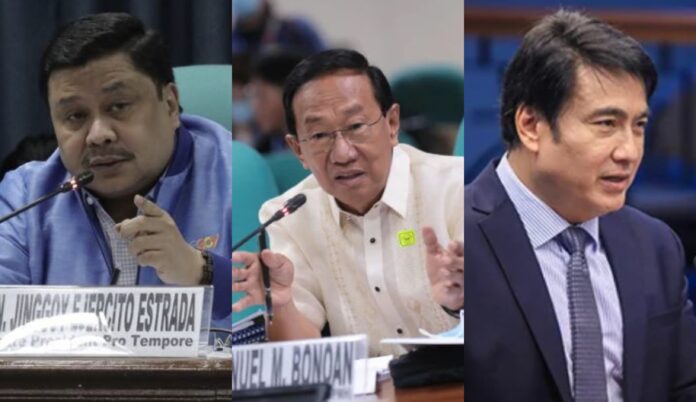
DOJ Subpoenas Issued Over Plunder Complaints — What This Step Actually Means
The Department of Justice has issued subpoenas to Jinggoy Estrada, Ramon Bong Revilla Jr., and former Department of Public Works and Highways secretary Manuel Bonoan in connection with plunder complaints linked to alleged irregularities in flood control projects.
A DOJ subpoena marks the preliminary investigation stage, requiring respondents to submit counter-affidavits and supporting evidence. At this phase, no determination of guilt has been made, and no arrest warrants are issued.
According to legal procedure, the DOJ will evaluate whether probable cause exists to elevate the complaints to formal charges before the courts. The process involves examining affidavits, financial records, and documentary evidence submitted by both complainants and respondents.
The issuance of subpoenas signals that prosecutors found the complaints sufficiently grounded to merit explanation—but it does not mean charges are automatic. Cases may still be dismissed if evidence is found lacking or procedurally flawed.
The complaints stem from allegations involving the misuse of public funds allocated for flood control projects, an issue that has drawn increasing scrutiny amid broader investigations into infrastructure spending and so-called “ghost projects.”
For now, the DOJ’s move keeps the matter firmly within the legal process, with outcomes dependent on the strength of evidence presented in the coming weeks.
Bong Revilla Moved to General Population at QC Jail After Medical Clearance
Former senator Ramon Bong Revilla Jr. has been transferred to the general population of the Quezon City Jail after authorities confirmed that he is medically fit for standard detention.
The transfer follows a routine medical evaluation, which cleared Revilla for regular custodial conditions. Jail officials said the move means the former lawmaker will no longer be held in a hospital facility or separate medical ward and will instead be subject to the same detention rules applied to other inmates.
Revilla is facing malversation and graft charges in connection with an alleged ₱92.8-million flood control project in Bulacan that investigators claim was funded but largely unimplemented. The case stems from a broader probe into so-called “ghost projects” linked to public infrastructure spending.
READ MORE:Supreme Court Acknowledges Bato Petition — What This REALLY Means
Legal observers note that placement in the general population does not indicate guilt, as the case remains under judicial process. However, the transfer is seen as a procedural signal that the court is enforcing standard detention protocols without medical exemptions.
READ MORE:Tulfo’s “F-Out! Layas!” Remark Sparks Debate on Diplomacy and Consequences
The development comes amid heightened public scrutiny of corruption cases involving infrastructure projects, with several lawmakers and former officials also facing investigations or court proceedings related to flood control allocations.




More Duterte Legacy Stories
FOLLOW US


Disclaimer: This site uses publicly available images and materials for news, satire, and commentary. All rights belong to their respective owners. No copyright infringement intended.
© 2025 Politikanta Minute. All Rights Reserved.
Political Commentary • Satire • Faith-Based Reflection
Some visuals may be AI-generated for satire and illustration. Not real footage unless stated.
FOLLOW US
Disclaimer: This site uses publicly available images and materials for news, satire, and commentary. All rights belong to their respective owners. No copyright infringement intended.
© 2025 Politikanta Minute. All Rights Reserved.
Political Commentary • Satire • Faith-Based Reflection
Some visuals may be AI-generated for satire and illustration. Not real footage unless stated.