
Support Politikanta Minute
Your support keeps independent commentary alive.
☕ Buy us a coffee and keep the conversation going
Latest Videos
Curated Politikanta Minute playlists by focused political topic.
DUTERTE Issues
Latest DUTERTE-related updates, reactions, political tension, hearing clips, and issue breakdowns.
Watch MoreBBM Legacy Playlist
Senate Circus Playlist
House of Representatives Scandals Playlist
18 Marines Playlist
Global Entertainment Playlist
Global News Playlist
Bible Scripture Playlist
Breaking News Playlist

Chiz Escudero Explains Why 16 Votes Are Needed to Convict in VP Sara Duterte Impeachment Trial
ESCUDERO: BAKIT 16 ANG KAILANGANG BOTO PARA SA CONVICTION?
Nilinaw ni Senate President Francis "Chiz" Escudero, na nagsisilbing presiding officer sa impeachment trial ni Vice President Sara Duterte, kung bakit 16 na boto ang kinakailangan upang magkaroon ng hatol na conviction.
Ayon kay Escudero, ang bilang na ito ay hindi desisyon ng Senate impeachment court at hindi rin resulta ng anumang kasunduan ng mga senator-judges.
"Hindi ito imbento ng impeachment court. Ito ay nakabatay sa Konstitusyon at sa umiiral na batas."
Batay sa Konstitusyon at Supreme Court Ruling
Ipinaliwanag ni Escudero na ang two-thirds vote, o katumbas ng 16 sa 24 senador, ay nakabatay sa probisyon ng 1987 Constitution.
Dagdag pa niya, sinusuportahan din ito ng naging interpretasyon ng Korte Suprema sa kasong Bayan vs. Zamora, na nagsilbing legal na batayan sa pag-unawa sa kinakailangang bilang ng boto.
Ayon kay Escudero, dahil dito ay walang kapangyarihan ang impeachment court na baguhin ang numerong itinakda ng umiiral na batas.
Patuloy ang Diskusyon sa Voting Requirement
Ang paglilinaw ni Escudero ay kasunod ng mga lumabas na magkakaibang opinyon mula sa ilang abogado at political observers tungkol sa posibilidad na iba ang maging batayan sa pagkuwenta ng two-thirds vote kung may mga senator-judges na hindi makalahok sa botohan.
Sa kabilang banda, mayroon ding mga legal experts na sumasang-ayon na nananatiling 16 affirmative votes ang constitutional requirement.
Habang nagpapatuloy ang impeachment proceedings, wala pang pinal na judicial ruling na nagbabago sa umiiral na interpretasyon ng probisyong ito.
Reportorial Commentary
Ang pahayag ni Senate President Chiz Escudero ay nagbibigay-diin sa kanyang interpretasyon ng umiiral na constitutional framework sa impeachment proceedings. Sa kanyang paliwanag, ang 16-vote requirement ay hindi bunga ng discretion ng Senate impeachment court kundi nakabatay sa Konstitusyon at sa umiiral na jurisprudence.
Gayunman, nananatiling bahagi ng pampublikong diskurso ang magkakaibang legal na pananaw hinggil sa aplikasyon ng two-thirds voting requirement, lalo na sa mga sitwasyong may senator-judges na maaaring hindi makalahok sa botohan. Anuman ang maging debate, ang magiging opisyal na aplikasyon ng mga alituntunin ay nakasalalay sa mga umiiral na batas, jurisprudence, at sa mga pasya ng mga kinauukulang institusyon.
📖 Exegesis Bible Verse
"Let every person be subject to the governing authorities. For there is no authority except from God, and those that exist have been instituted by God." — Romans 13:1
Context
Sa Romans 13, hinihikayat ni Apostol Pablo ang paggalang sa mga umiiral na awtoridad at sa kaayusang itinatag ng batas. Hindi nito sinasabing perpekto ang bawat desisyon ng pamahalaan, kundi binibigyang-diin ang kahalagahan ng pagsunod sa mga legal na proseso at institusyong itinakda upang mapanatili ang kaayusan at katarungan. Sa konteksto ng impeachment, ang talata ay nagsisilbing paalala na ang mga usaping pampamahalaan ay dapat isagawa ayon sa umiiral na Konstitusyon at due process.
Tulfo’s “F-Out! Layas!” Remark Sparks Debate on Diplomacy and Consequences
January 27, 2026•4 min read
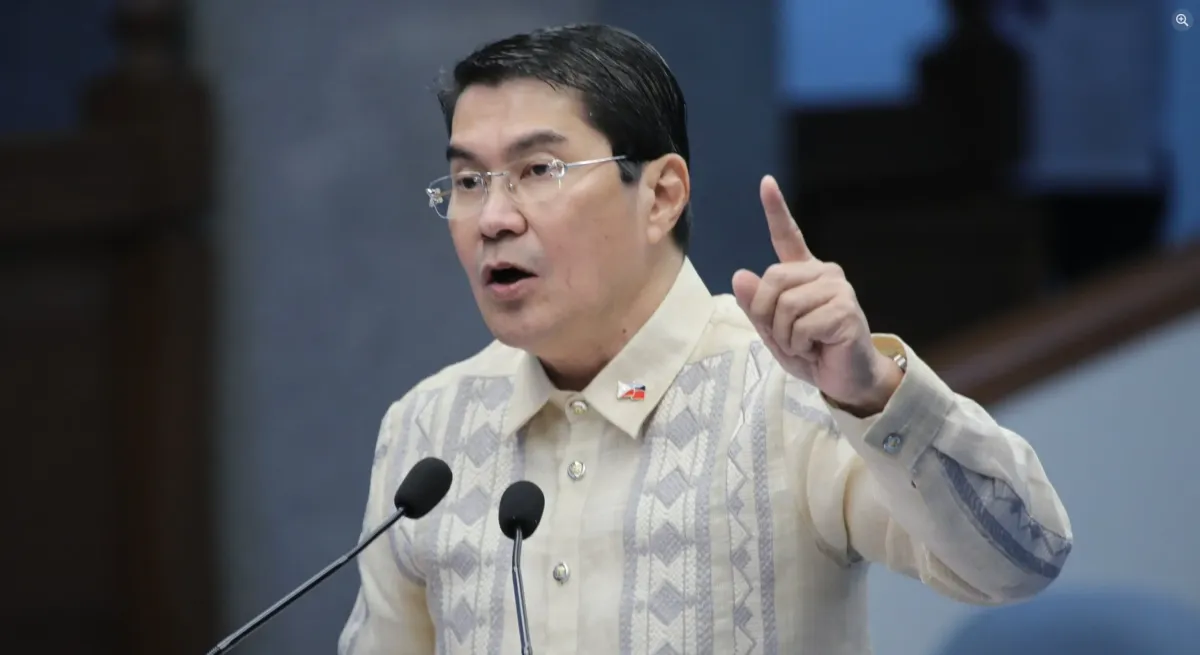
Senator Erwin Tulfo drew sharp reactions after a heated remark directed at the Embassy of China in Manila, telling it to “get the f*** out” during a Senate proceeding. The soundbite quickly circulated online, prompting a broader discussion about the cost of confrontational diplomacy.
Supporters framed the statement as blunt patriotism, arguing that tough language reflects public frustration over maritime disputes and perceived disrespect. Critics, however, warned that such rhetoric—especially when delivered publicly—can carry real-world consequences beyond political theater.
Foreign policy analysts note that major powers rarely respond to insults with equal rhetoric. Instead, retaliation often appears in less visible forms: trade delays, stricter inspections, tourism advisories, or regulatory pressure that affects exports, jobs, and prices. These measures, while technical on paper, tend to land hardest on ordinary citizens rather than policymakers.
The episode revives a long-standing debate in Philippine diplomacy: how to assert sovereignty without escalating costs. While national pride and firm positions matter, critics argue that diplomacy is measured not by volume but by outcomes—protecting livelihoods, supply chains, and regional stability.
For now, no official diplomatic response has been announced. But the incident underscores a key reality: in geopolitics, words spoken on camera can echo far beyond the room.
Quiet takeaway: Strength in diplomacy is not just how loudly a country speaks—but how wisely it weighs the consequences.
“Free Speech” vs “Leave the PH”: Tulfo Remark Sparks Hypocrisy Backlash + Citizenship Questions Resurface
A viral post is calling out what it sees as a contradiction: invoking “free speech” while telling critics to “leave the Philippines.” The meme circulating online frames Senator Erwin Tulfo behind a “FREE SPEECH” shield, paired with the line: “If you cannot respect free speech, leave the Philippines.” (As shared in the Facebook post you linked.)
The pushback isn’t only about tone—it’s about consistency. Critics argue that free speech is a constitutional right that applies to everyone, including citizens who disagree with an official’s stance. Telling people to “leave” can sound like gatekeeping dissent rather than defending democracy.
At the same time, the post threads another grievance: questions about Tulfo’s U.S. citizenship history—a topic that previously surfaced publicly during his confirmation controversies. In 2022, Tulfo acknowledged that he became a U.S. citizen and said he had already renounced it, while his confirmation in the Commission on Appointments was clouded by citizenship and other issues.
Fast-forward, and citizenship-related questions didn’t completely disappear from the public conversation. Reports and posts indicate legal challenges have been raised questioning eligibility, with discussions pointing to petitions filed after the election cycle.
The deeper issue behind the meme is trust: people listen harder when leaders preach principles that they also practice. Free speech is strongest when it protects critics, not just supporters—and when officials treat disagreement as part of democracy, not an exit interview.
Quiet takeaway: Free speech isn’t proven by telling people what to say. It’s proven by what leaders tolerate.
Satirical jab (Politikanta Minute-style, but AdSense-safe):
Kung “free speech” ang slogan, bakit “free exit” ang suggestion? 😅
Bible verse anchor:
James 1:19 — “Be quick to listen, slow to speak, and slow to become angry.”
“You Don’t Burn the House While the Children Are Inside” — Tulfo Outburst Raises Stakes
A viral post circulating online frames Senator Erwin Tulfo’s profane outburst toward China as more than rhetoric—it calls it a dangerous gamble with real-world costs.
The argument isn’t about surrendering sovereignty. Critics are clear: national dignity is non-negotiable. What they question is method. There is a difference, they argue, between strategic firmness and economic recklessness—especially when words are delivered publicly, on camera, and aimed at a major trading partner.
The post highlights several pressure points:
Human cost. Roughly 500,000 Filipinos live and work across Greater China, including Hong Kong and Macau. A sudden visa tightening or labor restriction could trigger a humanitarian and employment shock few governments are ready to absorb overnight.
Export risk. China remains a key buyer of Philippine bananas, pineapples, and nickel. History shows retaliation doesn’t need missiles—“sanitary inspections” and customs delays can shut markets fast, hitting farmers first and hardest.
Inflation exposure. The Philippines imports billions in goods from China—from steel to electronics. Disruptions ripple into prices, supply chains, and household costs, regardless of political bravado.
Tourism vulnerability. Before the pandemic, China was among the fastest-growing tourist markets. One advisory can stall recoveries in destinations like Boracay and Bohol—industries that support millions of Filipino jobs.
Infrastructure & investment. When relations sour, funding pauses. Projects stall. Replacement capital isn’t always quick or cheap.
The post’s closing line resonates because it reframes leadership: strength isn’t about punch-on-sight theatrics. It’s about calculated action that protects citizens first.
Quiet takeaway: You can defend sovereignty without setting fire to the roof over your people’s heads.
Satirical jab (sharp but safe):
Matapang sa mikropono, pero sino ang sasalo sa resibo?
Bible verse anchor:
Proverbs 14:16 — “The wise are cautious and avoid danger, but fools plunge ahead with reckless confidence.”



More Duterte Legacy Stories
FOLLOW US


Disclaimer: This site uses publicly available images and materials for news, satire, and commentary. All rights belong to their respective owners. No copyright infringement intended.
© 2025 Politikanta Minute. All Rights Reserved.
Political Commentary • Satire • Faith-Based Reflection
Some visuals may be AI-generated for satire and illustration. Not real footage unless stated.
FOLLOW US
Disclaimer: This site uses publicly available images and materials for news, satire, and commentary. All rights belong to their respective owners. No copyright infringement intended.
© 2025 Politikanta Minute. All Rights Reserved.
Political Commentary • Satire • Faith-Based Reflection
Some visuals may be AI-generated for satire and illustration. Not real footage unless stated.