
Support Politikanta Minute
Your support keeps independent commentary alive.
☕ Buy us a coffee and keep the conversation going
Latest Videos
Curated Politikanta Minute playlists by focused political topic.
DUTERTE Issues
Latest DUTERTE-related updates, reactions, political tension, hearing clips, and issue breakdowns.
Watch MoreBBM Legacy Playlist
Senate Circus Playlist
House of Representatives Scandals Playlist
18 Marines Playlist
Global Entertainment Playlist
Global News Playlist
Bible Scripture Playlist
Breaking News Playlist
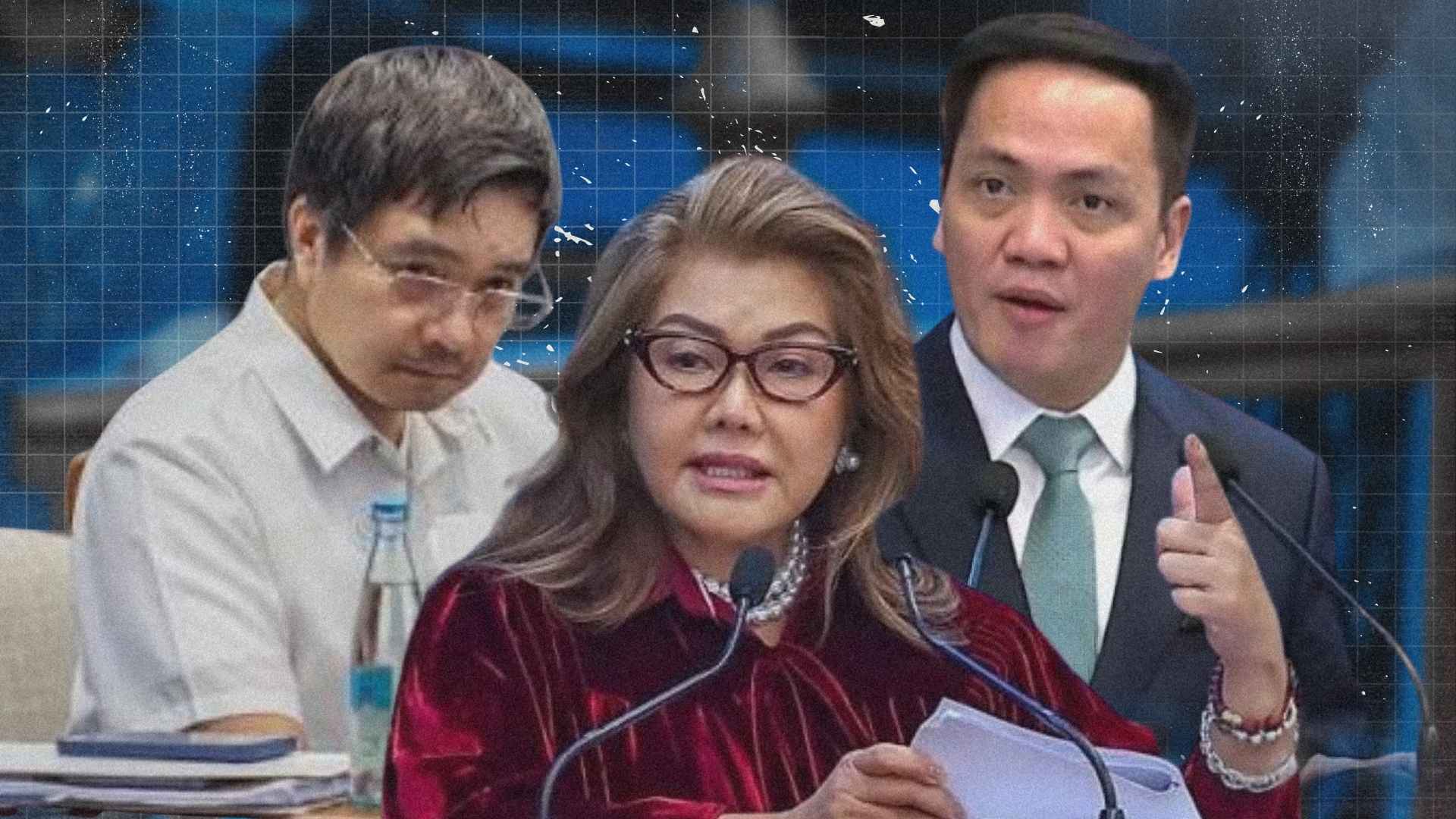
Imee Marcos Questions NBI Investigator Over Affidavit and Subpoena Date Discrepancies in VP Sara Trial
Imee Marcos Questions NBI Investigator Over Document Date Discrepancies
During the Senate impeachment proceedings involving Vice President Sara Duterte, Senator Imee Marcos closely questioned NBI Chief Investigator Jeremy Lotoc regarding apparent inconsistencies in the dates appearing on an affidavit of investigation and an accompanying subpoena.
The exchange centered on whether the dates reflected clerical errors or could affect the accuracy of the investigative records presented before the impeachment court.
Focus on the November 6 Date
Senator Marcos noted that both the subpoena and portions of the affidavit appeared to bear the date November 6, 2024.
She asked the witness to clarify whether the date was correct after Lotoc indicated that one of the entries might have been a mistake.
When asked directly, Lotoc explained that he believed the reference was a typographical error, saying that the intended date should have corresponded to December 11, 2024, particularly concerning the scheduled appearance referenced in the subpoena.
However, Marcos pointed out that the same date also appeared in the affidavit itself, asking whether both documents contained the same error.
Witness Says Documents Should Speak for Themselves
As questioning continued, members of the prosecution noted that some supporting annexes were not physically attached to the affidavit presented before the Senate, although they maintained that the documents existed within the investigation records.
The Senate presiding officer emphasized that the documentary evidence itself would ultimately determine the accuracy of the dates reflected in the records.
Lotoc maintained that he believed the questioned date was a typographical error, while acknowledging the need to refer to the original documents.
Discussion Centers on Documentary Accuracy
The exchange did not immediately resolve whether the questioned dates resulted from clerical mistakes or whether they had any legal effect on the evidence being presented.
Instead, the discussion focused on ensuring that the official records accurately reflected the investigative process before the impeachment court proceeds further.
No ruling was issued during the exchange regarding the admissibility or validity of the documents.
Reportorial Commentary
Cross-examination often tests not only the substance of testimony but also the reliability of documentary evidence. Questions involving dates, signatures, and procedural records can become significant because they help establish the chain of events surrounding an investigation.
In this instance, Senator Imee Marcos highlighted apparent inconsistencies in the dates appearing on an affidavit and subpoena. The witness attributed the issue to typographical errors, while the Senate emphasized that the original documents would ultimately speak for themselves. Whether these discrepancies have any legal consequence remains a matter for the impeachment court to evaluate under its rules and procedures.
Bible Verse & Reflection
"The integrity of the upright guides them, but the unfaithful are destroyed by their duplicity." — Proverbs 11:3 (NIV)
Reflection:
Accuracy and integrity in official records are essential to any justice system. Whether errors are minor clerical mistakes or significant procedural concerns, careful examination helps ensure that legal proceedings remain fair and credible. The pursuit of truth requires diligence, transparency, and respect for due process from all parties involved.
Supreme Court Acknowledges Bato Petition — What This REALLY Means
January 28, 2026•1 min read
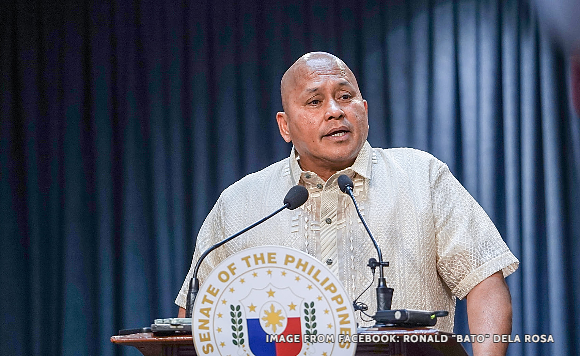
The Supreme Court of the Philippines has formally acknowledged the petition filed by Ronald dela Rosa, seeking to block any action related to a possible arrest warrant issued by the International Criminal Court.
While the acknowledgment has sparked intense reactions online, legal experts stress that this step is procedural, not substantive.
READ MORE: Tulfo’s “F-Out! Layas!” Remark Sparks Debate on Diplomacy and Consequences
In simple terms, acknowledgment only means the Supreme Court has received the petition and entered it into the judicial process. It does not mean the Court has ruled in favor of Senator dela Rosa, nor does it automatically stop any external proceedings.
The petition reportedly asks for temporary relief, including a possible restraining order, and seeks clarification on whether any alleged ICC warrant exists and whether Philippine authorities are obligated to act on it.
READ MORE: Win Gatchalian says love life is “non-existent,” sparks online curiosity
Importantly, the Supreme Court’s action does not validate the petition’s claims, nor does it confirm the existence of an arrest warrant. The Court may still dismiss the petition, deny provisional relief, or require further pleadings before taking any substantive action.
Legal analysts point out that this development should be viewed as part of routine judicial procedure rather than a turning point. The case remains unresolved, and no enforcement action—local or international—has been confirmed as a result of the acknowledgment alone.
For now, the situation remains legally open, with the Supreme Court yet to decide whether the petition merits further action.
You might Like



More Duterte Legacy Stories
FOLLOW US


Disclaimer: This site uses publicly available images and materials for news, satire, and commentary. All rights belong to their respective owners. No copyright infringement intended.
© 2025 Politikanta Minute. All Rights Reserved.
Political Commentary • Satire • Faith-Based Reflection
Some visuals may be AI-generated for satire and illustration. Not real footage unless stated.
FOLLOW US
Disclaimer: This site uses publicly available images and materials for news, satire, and commentary. All rights belong to their respective owners. No copyright infringement intended.
© 2025 Politikanta Minute. All Rights Reserved.
Political Commentary • Satire • Faith-Based Reflection
Some visuals may be AI-generated for satire and illustration. Not real footage unless stated.