
Support Politikanta Minute
Your support keeps independent commentary alive.
☕ Buy us a coffee and keep the conversation going
Latest Videos
Curated Politikanta Minute playlists by focused political topic.
DUTERTE Issues
Latest DUTERTE-related updates, reactions, political tension, hearing clips, and issue breakdowns.
Watch MoreBBM Legacy Playlist
Senate Circus Playlist
House of Representatives Scandals Playlist
18 Marines Playlist
Global Entertainment Playlist
Global News Playlist
Bible Scripture Playlist
Breaking News Playlist
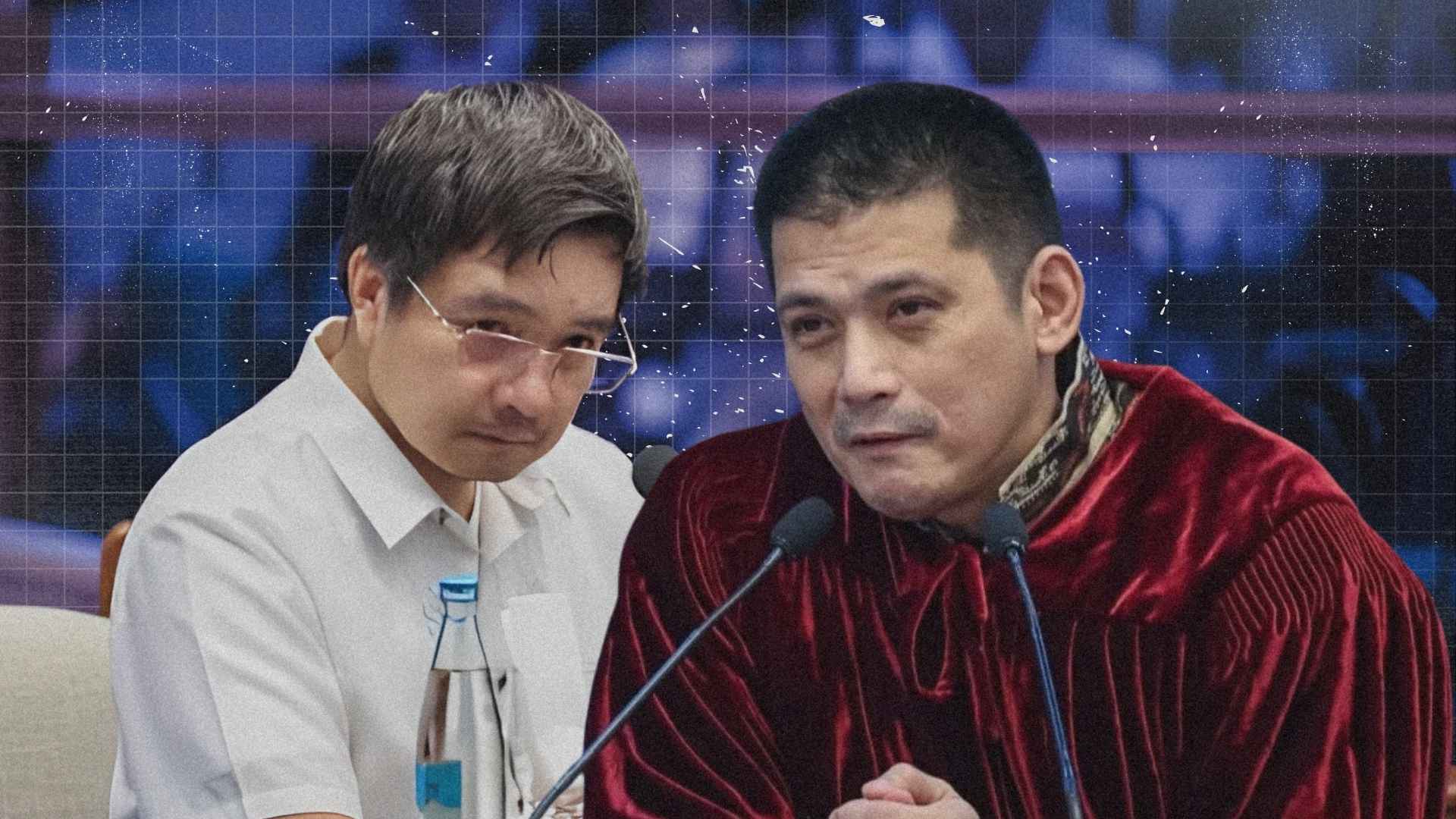
Robin Padilla Questions NBI Agent About Cases Filed Against Him During Impeachment Trial
Robin Padilla Questions NBI Investigator About Complaints Filed Against Him
During the ongoing impeachment trial of Vice President Sara Duterte, Senator Robin Padilla questioned National Bureau of Investigation (NBI) investigator John Mark Lotoc regarding complaints allegedly filed against him.
Padilla asked whether it was common for NBI agents to face legal complaints in the course of performing their duties.
Lotoc responded that such situations are not unusual for law enforcement officers.
"Normal ho sa mga NBI agents na makasuhan... that's the price we pay for doing our job and protecting the country."
He added that investigators generally focus on completing their work rather than responding to every accusation directed at them.
Padilla Asked About Specific Complaints
Senator Padilla then asked what particular cases had allegedly been filed against the witness.
Lotoc explained that he had not yet received any official notice from the Office of the Ombudsman but had obtained an unofficial copy of a complaint.
According to him, his team examined the document and discovered what they believed was an invalid notarization.
He said they later secured a certification indicating that the notarial details were allegedly fake.
Because of this, Lotoc said they did not immediately give weight to the complaint and instead awaited formal notification from the proper authorities.
No Official Notice Yet
When asked whether the case actually exists, Lotoc maintained that he has not yet received any official notice from the Ombudsman.
He stressed that once a formal notice arrives, he intends to answer the complaint through the proper legal process.
Padilla remarked that it would be better to address such allegations immediately.
Lotoc agreed, assuring the Senate that he has no intention of avoiding any legal proceedings.
Alleged Charges Mentioned
During the exchange, Senator Padilla mentioned several offenses that allegedly appeared in the complaint, including:
Perjury
Robbery
Extortion
Theft
Arbitrary detention
Unlawful arrest
Lotoc replied that he could not fully recall all the allegations because the document they reviewed appeared questionable due to the alleged fake notarization.
He reiterated that the NBI would respond appropriately once an official complaint is formally served.
Reportorial Commentary
The exchange centered on the credibility and background of a prosecution witness rather than on the impeachment charges themselves. In legal proceedings, questioning a witness regarding pending complaints or allegations may be used to explore credibility. However, the existence of allegations alone does not establish liability or diminish testimony unless supported by competent evidence and subjected to due process.
Lotoc consistently maintained that he has not received formal notice from the Office of the Ombudsman and stated his willingness to respond should official proceedings commence. As with all legal matters, any allegations remain subject to verification and proper judicial or administrative determination.
Bible Verse & Reflection
"The one who states his case first seems right, until the other comes and examines him." — Proverbs 18:17 (ESV)
Reflection
Fair proceedings depend on careful examination from all sides. Asking questions, testing evidence, and allowing each party to respond are essential parts of due process. Whether in court or in public life, truth is best served when claims are examined thoroughly and conclusions are based on evidence rather than assumption.
Marcoleta Pushes Back as Legal Debate Heats Up in the Senate
February 03, 2026•1 min read
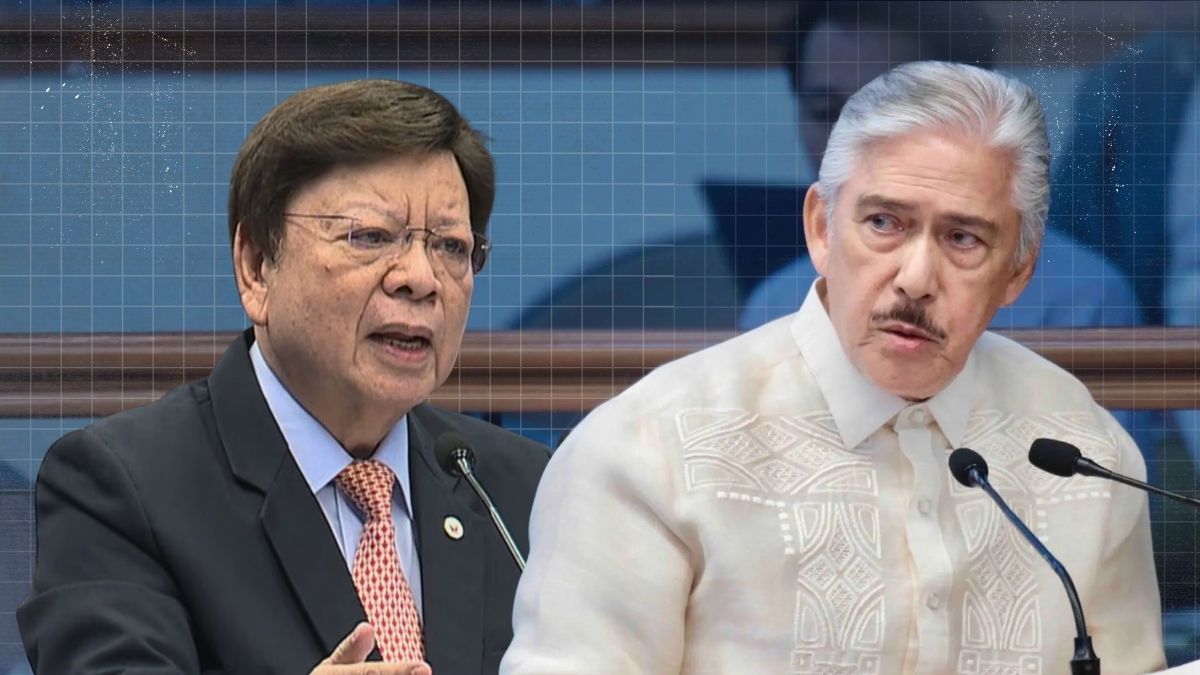
A viral clip circulating online shows Senator Rodante Marcoleta forcefully challenging arguments raised during a heated Senate exchange that involved Senate President Tito Sotto. The clip, widely shared with satirical captions, frames the moment as a clash between political opinion and legal interpretation.
At the core of the exchange is the continuing fallout from the Supreme Court of the Philippines ruling that declared the Articles of Impeachment against Vice President Sara Duterte unconstitutional. Sotto had publicly questioned the ruling, suggesting that if the Court could “tinker” with impeachment provisions, Congress should consider amending the Constitution.
Marcoleta, a lawyer by training, responded by emphasizing the boundaries between judicial interpretation and legislative authority, arguing that constitutional meaning is settled through legal doctrine and court rulings—not political commentary. In the clip, he underscored that disagreement with a ruling does not negate its binding effect.
The viral framing uses humor and ridicule, but the underlying issue is serious: who gets to define constitutional limits, and how should lawmakers critique court decisions without blurring institutional roles? While the tone online is mocking, the Senate debate itself reflects a deeper tension between law and politics in moments of constitutional controversy.
takeaway: Disagreement is allowed—but constitutional meaning is argued with law, not volume.
Hindi lahat ng may mikropono ay may jurisdiction. 😅
Bible verse anchor:
Proverbs 18:13 — “To answer before listening—that is folly and shame.”



More Duterte Legacy Stories
FOLLOW US


Disclaimer: This site uses publicly available images and materials for news, satire, and commentary. All rights belong to their respective owners. No copyright infringement intended.
© 2025 Politikanta Minute. All Rights Reserved.
Political Commentary • Satire • Faith-Based Reflection
Some visuals may be AI-generated for satire and illustration. Not real footage unless stated.
FOLLOW US
Disclaimer: This site uses publicly available images and materials for news, satire, and commentary. All rights belong to their respective owners. No copyright infringement intended.
© 2025 Politikanta Minute. All Rights Reserved.
Political Commentary • Satire • Faith-Based Reflection
Some visuals may be AI-generated for satire and illustration. Not real footage unless stated.