
Support Politikanta Minute
Your support keeps independent commentary alive.
☕ Buy us a coffee and keep the conversation going
Latest Videos
Curated Politikanta Minute playlists by focused political topic.
DUTERTE Issues
Latest DUTERTE-related updates, reactions, political tension, hearing clips, and issue breakdowns.
Watch MoreBBM Legacy Playlist
Senate Circus Playlist
House of Representatives Scandals Playlist
18 Marines Playlist
Global Entertainment Playlist
Global News Playlist
Bible Scripture Playlist
Breaking News Playlist
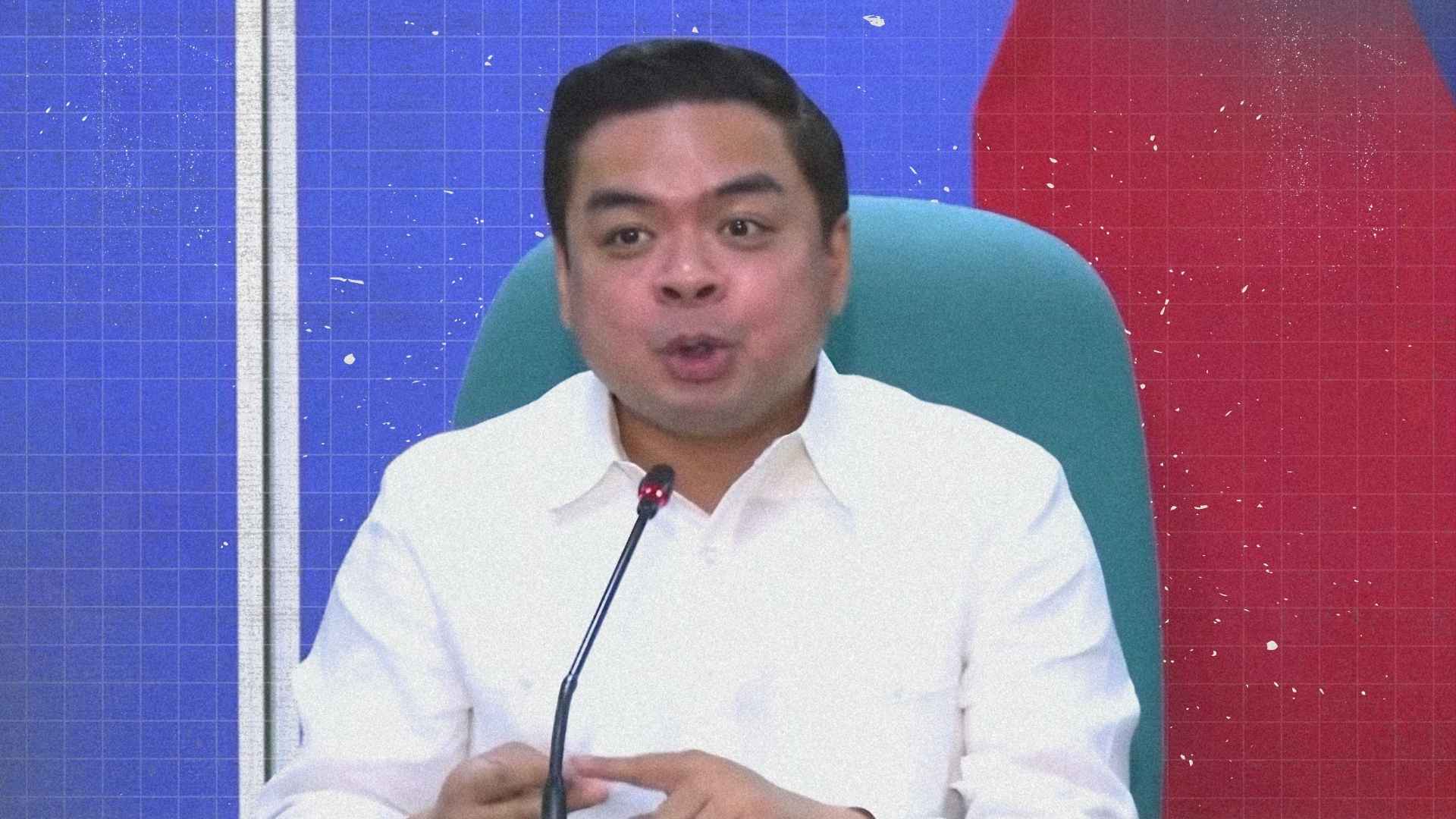
Terry Ridon to VP Sara: "Choose—Were You Lying or Did You Hire a Killer?"
Ridon Presses VP Sara Over Controversial Statements
House Prosecutor Rep. Terry Ridon said Vice President Sara Duterte must provide a clear explanation regarding her controversial public statements that are now among the issues being examined in the ongoing impeachment trial.
Speaking after the proceedings, Ridon argued that, from the prosecution's perspective, there are only two possible explanations for the Vice President's remarks.
"Mamili na lang siya sa dalawang bagay na 'yan. Either meron kang pangalawang pangulo na nagsisinungaling sa harap ng bayan, o pangalawang pangulo na kumukuha ng mamamatay-tao," Ridon said.
Prosecution Maintains Threat Allegation
According to Ridon, regardless of which explanation is accepted, the prosecution continues to maintain that the Vice President made statements that constitute actual threats against President Ferdinand Marcos Jr., First Lady Liza Araneta-Marcos, and House Speaker Martin Romualdez.
The prosecution argues that these alleged threats form part of the constitutional grounds cited in the impeachment complaint and should be evaluated by the Senate Impeachment Court.
Defense Continues to Contest Allegations
The defense panel has consistently disputed the prosecution's interpretation of the Vice President's statements.
Throughout the impeachment proceedings, defense lawyers have argued that the remarks should not be interpreted as criminal threats and have presented their own legal theories regarding the context and intent behind the statements.
The Senate Impeachment Court continues to hear testimony from witnesses presented by both the prosecution and the defense.
Key Question Before the Senate
One of the central issues before the impeachment court remains whether the Vice President's statements satisfy the legal and constitutional standards necessary to establish an impeachable offense.
Both sides continue to debate not only the wording of the statements themselves but also the surrounding circumstances, intent, and supporting evidence presented during trial.
Ultimately, the senator-judges will determine the weight and credibility of the evidence before rendering any decision.
Reportorial Commentary
Ridon's remarks reflect the prosecution's theory of the case rather than a judicial finding. Whether the Vice President's statements amount to actual threats or should be interpreted differently remains one of the core legal questions before the Senate Impeachment Court.
As the proceedings continue, the focus remains on the evidence presented, witness testimony, and constitutional standards governing impeachment—not on public opinion alone. The final determination rests exclusively with the senator-judges after both parties have completed presenting their cases.
Bible Verse & Reflection
"Let your 'Yes' be yes, and your 'No,' no." — Matthew 5:37 (NIV)
Reflection
Public officials are often held to a high standard of clarity and accountability because their words can carry significant public consequences. In legal proceedings, however, conclusions should be based on evidence, due process, and the applicable constitutional standards rather than rhetoric alone.
HOUSE WATCH | Failure, Yes. Impeachable, No.
February 04, 2026•1 min read
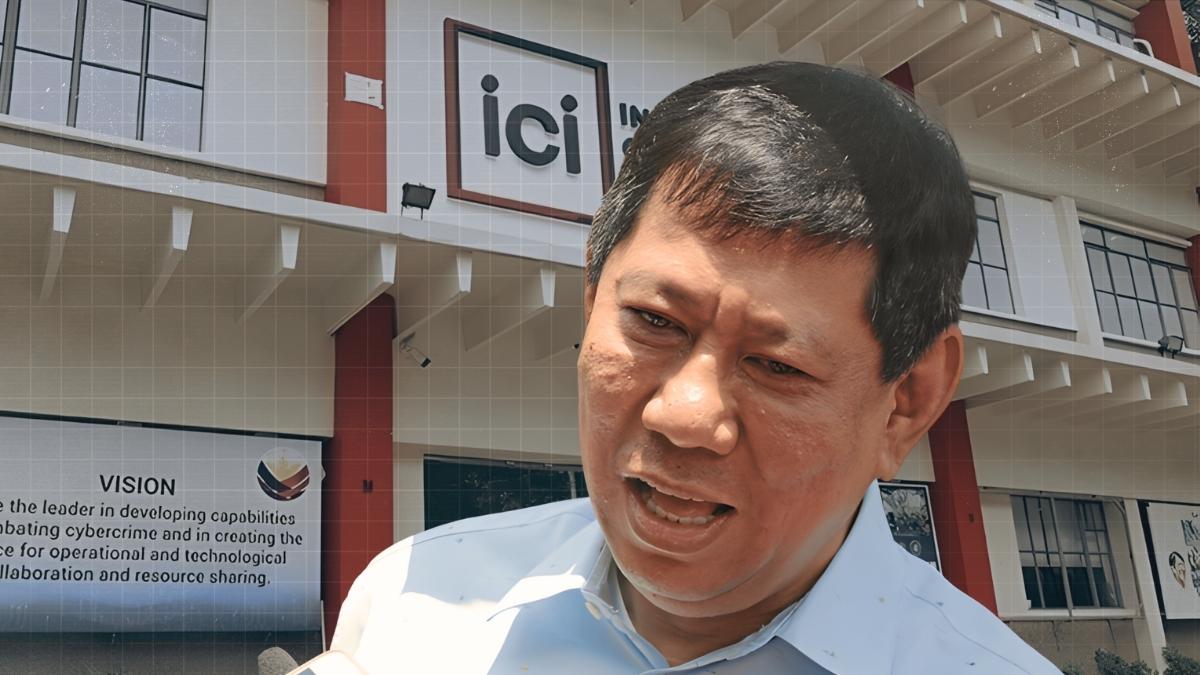
In impeachment, not every failure qualifies as a crime.
Caloocan 2nd District Representative Egay Erice said the Independent Commission on Infrastructure (ICI) may be a failure in execution, but its shortcomings do not rise to the level of an impeachable offense attributable to President Ferdinand Marcos Jr..
Erice acknowledged widespread dissatisfaction with the ICI’s performance—particularly its limited output relative to its broad mandate—but stressed that institutional underperformance alone does not meet constitutional grounds for impeachment. According to him, impeachment requires a direct link between presidential action and constitutionally defined offenses, not policy disappointment or administrative weakness.
His statement draws a clear boundary in the ongoing impeachment discourse: accountability is not interchangeable with removability. While Congress may investigate, reform, or even abolish bodies it deems ineffective, Erice argued that impeachment must remain tethered to clear standards—culpable violations, graft, or betrayal of public trust proven through acts, not outcomes.
Quietly, the comment recalibrates the debate. If ICI’s failure is systemic, the remedy lies in legislation and oversight—not impeachment. The distinction matters, especially as lawmakers sift which issues belong to governance reform and which cross the constitutional threshold.
Discreet satire, institutional edition: a failed commission is a policy problem—until someone proves it was designed to fail.



More Duterte Legacy Stories
FOLLOW US


Disclaimer: This site uses publicly available images and materials for news, satire, and commentary. All rights belong to their respective owners. No copyright infringement intended.
© 2025 Politikanta Minute. All Rights Reserved.
Political Commentary • Satire • Faith-Based Reflection
Some visuals may be AI-generated for satire and illustration. Not real footage unless stated.
FOLLOW US
Disclaimer: This site uses publicly available images and materials for news, satire, and commentary. All rights belong to their respective owners. No copyright infringement intended.
© 2025 Politikanta Minute. All Rights Reserved.
Political Commentary • Satire • Faith-Based Reflection
Some visuals may be AI-generated for satire and illustration. Not real footage unless stated.