
Support Politikanta Minute
Your support keeps independent commentary alive.
☕ Buy us a coffee and keep the conversation going
Latest Videos
Curated Politikanta Minute playlists by focused political topic.
DUTERTE Issues
Latest DUTERTE-related updates, reactions, political tension, hearing clips, and issue breakdowns.
Watch MoreBBM Legacy Playlist
Senate Circus Playlist
House of Representatives Scandals Playlist
18 Marines Playlist
Global Entertainment Playlist
Global News Playlist
Bible Scripture Playlist
Breaking News Playlist
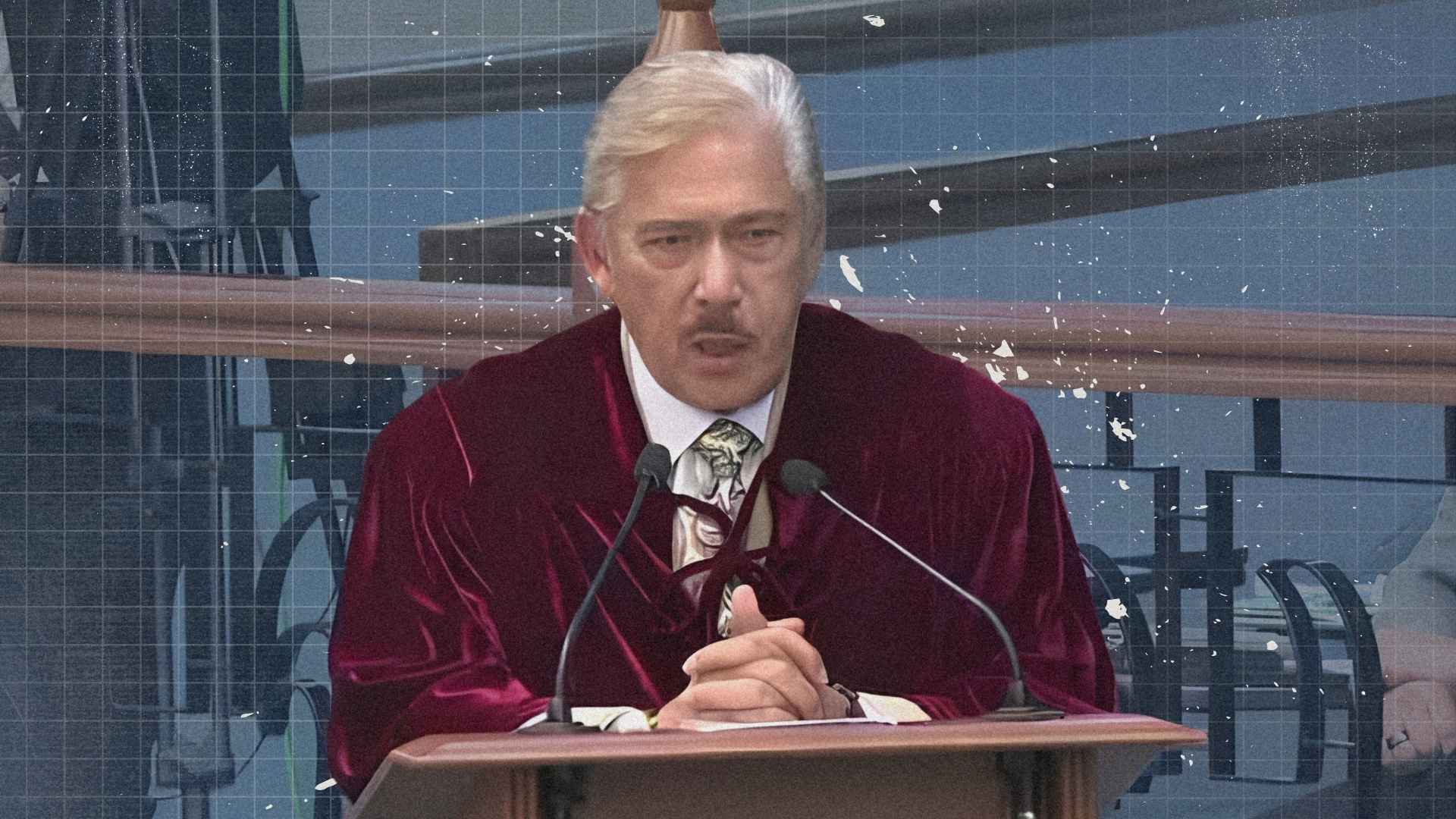
Tito Sotto Seeks Clarification on Impeachment Charges Against VP Sara Duterte During Senate Trial
Tito Sotto Seeks Clarification on Actual Charges Against VP Sara Duterte
A significant legal point emerged during the impeachment trial of Vice President Sara Duterte after Senator-judge Tito Sotto asked a witness to clarify the actual charges contained in the Articles of Impeachment.
During the proceedings, Sotto noted that he wanted to distinguish between the constitutional grounds for impeachment and separate criminal offenses being discussed during witness testimony.
"Ang naka-file dito sa impeachment court betrayal of public trust 'di ba at saka other high crimes? Hindi grave threats at inciting to sedition? Eh kasi naliligaw ako eh."
The senator's remark highlighted the distinction between what the Senate is constitutionally tasked to decide and the criminal concepts being referenced during the presentation of evidence.
Focus on Constitutional Grounds
Sotto pointed out that the Articles of Impeachment do not charge Vice President Duterte with the criminal offenses of grave threats or inciting to sedition.
Instead, the impeachment complaint is anchored on constitutional grounds, including:
Betrayal of public trust
Other high crimes
His question sought clarification on why much of the testimony appeared to discuss the legal elements of criminal offenses when the Senate, sitting as an impeachment court, is not conducting a criminal trial.
Criminal Liability vs. Impeachment
The exchange underscored an important legal distinction.
A criminal prosecution seeks to determine whether an accused violated specific penal laws and may result in criminal penalties if guilt is proven beyond reasonable doubt.
An impeachment proceeding, on the other hand, is a constitutional process designed to determine whether a high-ranking public official committed acts that justify removal from office based on grounds enumerated in the Constitution.
The Senate's role is therefore different from that of an ordinary criminal court.
Prosecution's Theory
Throughout the proceedings, the prosecution has maintained that the alleged statements attributed to the Vice President are not being presented merely to establish the criminal offense of grave threats.
Instead, prosecutors argue that the statements form part of the factual circumstances supporting the constitutional allegations of betrayal of public trust and other high crimes contained in the impeachment complaint.
Whether those arguments ultimately satisfy the constitutional standard remains a matter for the senator-judges to decide after evaluating all of the evidence.
Why Sotto's Question Matters
Although brief, Senator Sotto's intervention drew attention to one of the central legal issues in the impeachment proceedings.
His question reminded both the prosecution and the defense that the impeachment court's responsibility is not to determine criminal guilt but to assess whether the evidence presented proves the constitutional grounds alleged in the Articles of Impeachment.
As the trial progresses, this distinction may continue to influence how witnesses are examined and how evidence is weighed by the Senate.
Reportorial Commentary
Senator Tito Sotto's question reflects a procedural concern rather than a conclusion on the merits of the case. His remarks emphasized the need to keep the impeachment proceedings focused on the constitutional issues before the Senate.
The prosecution may use evidence that also relates to possible criminal conduct if it believes that evidence helps establish impeachable offenses. However, the ultimate question before the Senate is whether the alleged acts amount to betrayal of public trust or other high crimes under the Constitution—not whether the respondent is criminally liable for separate offenses under the Revised Penal Code.
The distinction is significant because impeachment is a political-constitutional process with its own standards, separate from criminal prosecution. The final determination remains with the senator-judges after considering all testimony, documentary evidence, and legal arguments presented by both sides.
Bible Verse & Exegesis
"The one who states his case first seems right, until the other comes and examines him." — Proverbs 18:17 (ESV)
Exegesis
Proverbs 18:17 highlights the importance of careful examination before reaching conclusions. In judicial and quasi-judicial proceedings, justice requires more than persuasive arguments—it requires testing evidence, clarifying issues, and allowing both sides to be heard. Senator Sotto's request for clarification reflects this principle by emphasizing the need to distinguish between the constitutional questions before the impeachment court and separate criminal concepts. Sound judgment depends on understanding the correct legal framework before rendering a decision.
🚨 Political Watch | Biglang Kambyo Matapos Mabuking — Kapag Salita ang Umiwan, Deny ang Takbuhan
February 05, 2026•2 min read
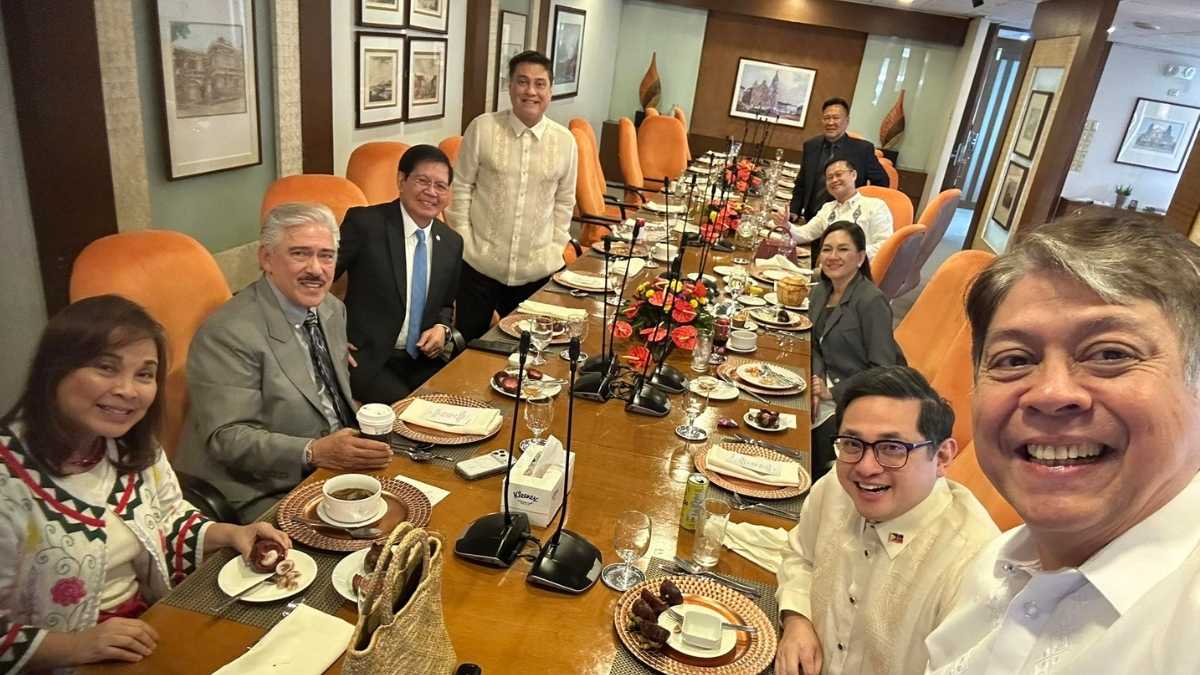
Kapag Nadulas ang Salita, Biglang Kambyo ang Depensa
“Sus! Biglang kambyo at deny kayo ngayon matapos mabuking sa kadaldalan ni Mang Kiko.”
Ganyan ang sentimyento ng maraming netizens matapos lumabas ang mga pahayag na, sa unang tingin, ay diretso, kumpiyansa, at walang pag-aalinlangan—pero kalaunan ay biglang binawi, nilinaw, o tuluyang itinanggi. Sa pulitika, hindi bago ang ganitong eksena. Ngunit kapag ang mismong salita ang nagbubunyag ng intensyon, mahirap burahin ang impresyon.
Sa mga nagdaang araw, umikot ang diskurso sa kung paano ang isang pahayag ay naging mitsa ng mas malalim na tanong: kung malinaw pala ang sinasabi noon, bakit biglang nag-iba ang tono ngayon? Ang “kambyo” ay hindi lamang pagbabago ng posisyon—ito’y pag-iwas sa pananagutan kapag naramdaman nang lumalakas ang reaksyon ng publiko.
Ang binansagang “kadaldalan” ni Mang Kiko—si Francis Kiko Pangilinan—ay hindi simpleng tsismis. Sa pulitika, ang salita ay dokumento. Kapag nasabi na, may bigat. Kapag narinig na, may epekto. At kapag naitala na—lalo na sa digital age—hindi na ito basta mababawi.
Dito pumapasok ang mas malaking isyu: ang kultura ng deny pagkatapos mabuking. Una, may kumpiyansang pahayag. Ikalawa, may reaksyon ng publiko. Ikatlo, kapag naging alanganin ang sitwasyon, saka papasok ang “clarification,” “misinterpretation,” o “out of context.” Sa ganitong ikot, ang kredibilidad ang unang nasasakripisyo.
Hindi rin maikakaila na ang ganitong galaw ay nagdudulot ng pagod sa publiko. Kapag paulit-ulit ang deny, paulit-ulit ding nababawasan ang tiwala. Sa usapin ng mga sensitibong isyu—lalo na yaong may kinalaman sa pondo, polisiya, at pananagutan—ang malinaw at konsistent na paninindigan ang inaasahan, hindi ang pabago-bagong paliwanag.
May nagsasabing “normal lang ang maglinaw.” Totoo. Ngunit iba ang paglilinaw sa pag-atras. Ang una ay pagdagdag ng konteksto; ang ikalawa ay pagtanggi sa naunang sinabi. Kapag ang pag-atras ay nangyayari dahil may backlash, nagiging malinaw na ang problema ay hindi ang pagkakaintindi—kundi ang nilalaman mismo ng sinabi.
Sa huli, ang tanong ay hindi kung sino ang nadulas, kundi sino ang handang manindigan. Ang pamumuno ay hindi nasusukat sa galing magsalita lamang, kundi sa kakayahang panagutan ang bawat salita—lalo na kapag ito’y hindi na paborable.
Tahimik na aral: Sa panahon ng camera at screenshot, ang “deny” ay panandalian lang. Ang record, permanente.
Bible verse anchor:
Matthew 12:36 — “Everyone will have to give account on the day of judgment for every empty word they have spoken.”



More Duterte Legacy Stories
FOLLOW US


Disclaimer: This site uses publicly available images and materials for news, satire, and commentary. All rights belong to their respective owners. No copyright infringement intended.
© 2025 Politikanta Minute. All Rights Reserved.
Political Commentary • Satire • Faith-Based Reflection
Some visuals may be AI-generated for satire and illustration. Not real footage unless stated.
FOLLOW US
Disclaimer: This site uses publicly available images and materials for news, satire, and commentary. All rights belong to their respective owners. No copyright infringement intended.
© 2025 Politikanta Minute. All Rights Reserved.
Political Commentary • Satire • Faith-Based Reflection
Some visuals may be AI-generated for satire and illustration. Not real footage unless stated.