
Golden Globes
Golden Globes Winners & Nominees: The Names Shaping This Awards Season
Tap to view
👁
Mixed

Your support keeps independent commentary alive.
☕ Buy us a coffee and keep the conversation going
Curated Politikanta Minute playlists by focused political topic.
Latest GLOBAL-related updates, reactions, political tension, hearing clips, and issue breakdowns.
Watch More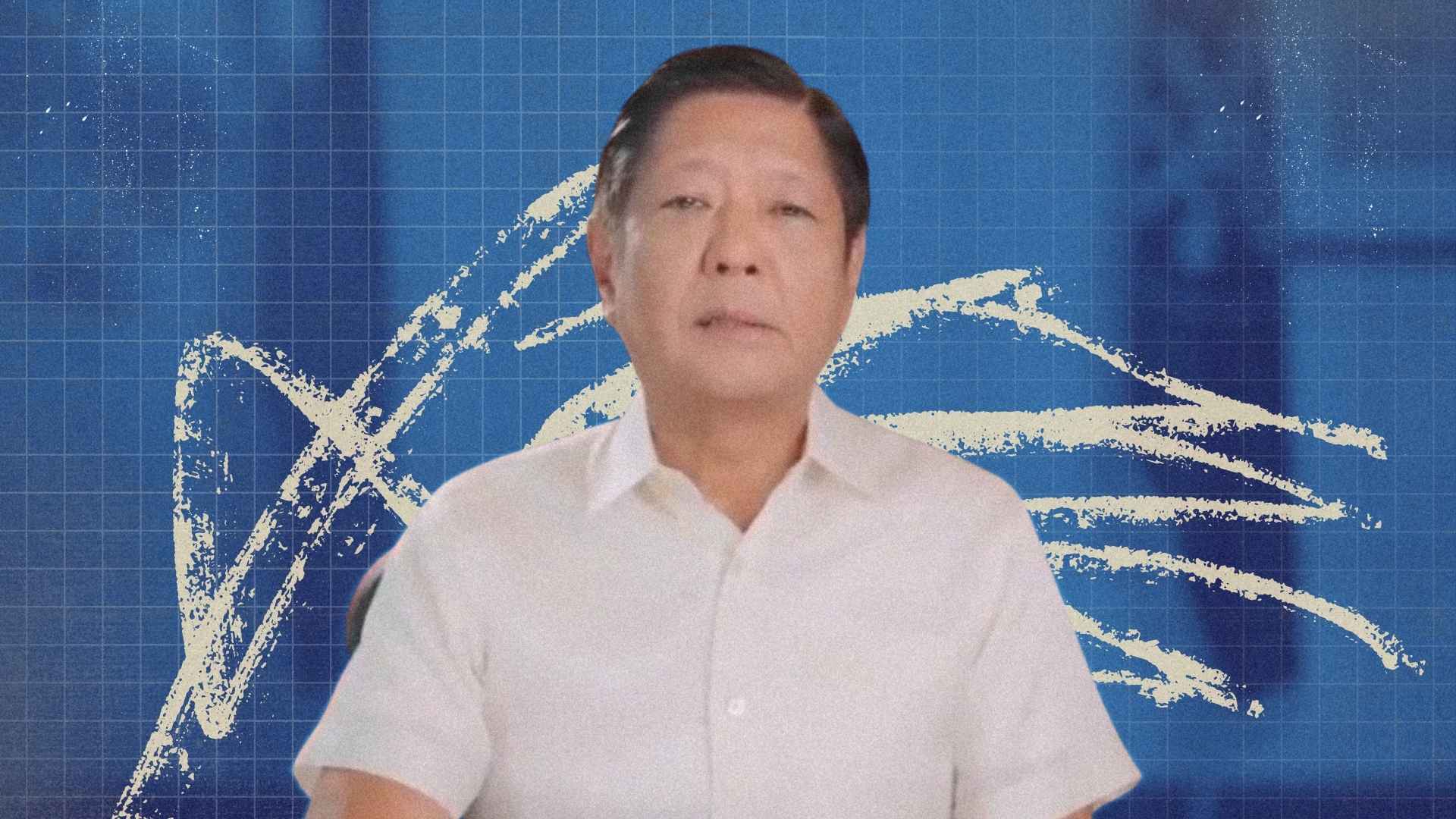
Nanawagan si Pangulong Ferdinand Marcos Jr. sa mga opisyal ng pamahalaan na huwag hadlangan ang paghahanap ng katotohanan at sa halip ay direktang sagutin ang mga lehitimong tanong na ibinabato sa kanila ng mga mambabatas.
Ayon sa Pangulo, mas maagang matatapos ang mga kontrobersiya kung magiging bukas ang mga opisyal sa pagbibigay ng malinaw na paliwanag.
Sa kanyang pahayag, sinabi ni Marcos na hindi na sana lumala ang sitwasyon kung nasagot agad ang mga tanong sa Senado at House of Representatives.
"Hindi tama ang pagpigil sa mga halal ng bayan sa paghahanap ng katotohanan."
Dagdag pa niya:
"Hindi na sanang hahantong sa ganitong drama kung sasagutin lamang ang mga lehitimong katanungan sa Senado at sa House of Representatives."
Iginiit ng Pangulo na tungkulin ng bawat lingkod-bayan ang magsabi ng totoo at maging transparent sa publiko.
Ayon sa kanya:
"Ang katotohanan ay hindi dapat itago."
Binanggit din niya na sa halip na ilihis ang usapan sa ibang isyu, mas makabubuting direktang sagutin ang mga tanong upang malinawan ang publiko.
Sa pagtatapos ng kanyang mensahe, ipinahayag ni Marcos ang pag-asang maresolba ang mga umiiral na kontrobersiya sa mapayapang paraan.
"Hangad ko na matuldukan na itong mga pangyayaring ito sa paraang matiwasay at magdadala sa atin sa katotohanan."
Ang naging pahayag ni Pangulong Ferdinand Marcos Jr. ay nagbibigay-diin sa kahalagahan ng transparency at accountability sa serbisyo publiko. Ayon sa Pangulo, ang mga halal na opisyal ay may pananagutang tumugon sa mga lehitimong tanong ng Kongreso bilang bahagi ng demokratikong proseso ng checks and balances.
Ang kanyang pahayag ay sumasalamin sa posisyon ng administrasyon hinggil sa pangangailangang maging bukas ang mga opisyal sa pagsusuri ng mga institusyon ng gobyerno. Samantala, ang mga isyung tinutukoy ay nananatiling bahagi ng mga legal at pampulitikang proseso, kung saan ang bawat panig ay may pagkakataong ihayag ang kanilang mga argumento at depensa alinsunod sa batas.
"Therefore each of you must put off falsehood and speak truthfully to your neighbor, for we are all members of one body." — Ephesians 4:25 (NIV)
Itinuturo ng Ephesians 4:25 ang kahalagahan ng katapatan at pagsasabi ng totoo sa pakikitungo sa kapwa. Sa pananaw ng Bibliya, ang katotohanan ay mahalagang pundasyon ng tiwala at pananagutan, lalo na para sa mga may tungkulin sa pamayanan.
Sa konteksto ng pampublikong serbisyo, ang panawagan para sa transparency at tuwirang pagsagot sa mga lehitimong tanong ay bahagi ng mas malawak na prinsipyo ng accountability. Gayunman, ang anumang alegasyon o pananagutan ay dapat pa ring timbangin sa pamamagitan ng due process at ng mga institusyong itinatag ng batas.
December 17, 2025•8 min read
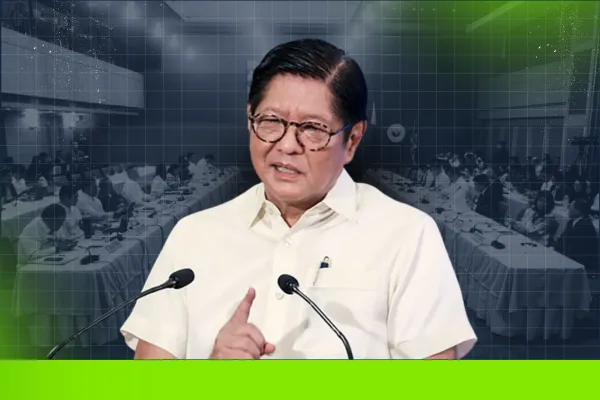
Malacañang insists that President Ferdinand “Bongbong” Marcos Jr. does not want a reenacted budget for 2026. The Palace says everyone knows it, Congress knows it, and all measures are supposedly being taken to prevent it.
And yet—here we are.
Delays in the bicameral conference committee continue, disagreements persist, and the risk of a reenacted budget remains very real. Even the Department of Finance has raised concerns, warning that a reenacted budget could delay projects already stuck in limbo.
The contradiction is hard to ignore.
If the President truly does not want a reenacted budget, why does the process keep drifting toward one?
📖 “Let your ‘Yes’ be yes, and your ‘No,’ no.” — Matthew 5:37
The Eagle sees the pattern clearly.
Strong leadership does not merely dislike outcomes—it prevents them. Saying “we don’t want this” is not governance; it is positioning. Governance is alignment: between the Palace, the budget managers, and Congress.
Under President Duterte, budget showdowns were often harsh, confrontational, and noisy—but deadlines were met, and responsibility was owned head-on. Today’s approach feels different: calmer in tone, but slower in action.
A reenacted budget is not just a technical inconvenience. It means:
Delayed infrastructure
Stalled social services
Slower response to crises
When deadlines slip, it is not Malacañang press briefings that suffer—it is ordinary Filipinos.
The Palace may say the President does not want a reenacted budget.
But leadership is not proven by preference.
It is proven by results.

In front of cameras and applause, President Ferdinand Marcos Jr. delivered a line that sounded less like advice and more like a warning:

Any budget not aligned with the administration will not be signed.
On paper, it reads as discipline.
In practice, it raises a deeper question:
Aligned with whom—the people, or the pen that holds the power?
The President openly stated he is willing to return the General Appropriations Bill, even if it triggers a reenacted budget. It is a firm stance, yes—but firmness without clarity breeds suspicion.
Because while alignment is being demanded, the louder issue remains unanswered:
Where did the money go?
Senator Ping Lacson has warned that as much as ₱1 trillion allocated to flood-control projects since 2011 may have been lost to corruption. Floods keep rising. Budgets keep growing. Accountability keeps sinking.
The administration promises audits and performance reviews. These are familiar words in a country where “review” often precedes “amnesia.”
So the nation watches closely.
If Congress inserts questionable items, and Malacañang holds the signature, who truly controls the purse? And more importantly—where does the Filipino people fit into this equation?
📖 “Woe to those who make unjust laws, to those who issue oppressive decrees.” — Isaiah 10:1
The Eagle does not fear strong leadership.
But it also does not confuse authority with truth.
Real strength is not refusing to sign a budget—
it is exposing who fed on it.

Marcos Says He Hopes His “Structural Reforms” Continue — But the Public Wonders: Reforms or Ruins?
President Bongbong Marcos Jr. shared in his BBM Podcast that he hopes future administrations will “continue the structural reforms” he claims to have started.
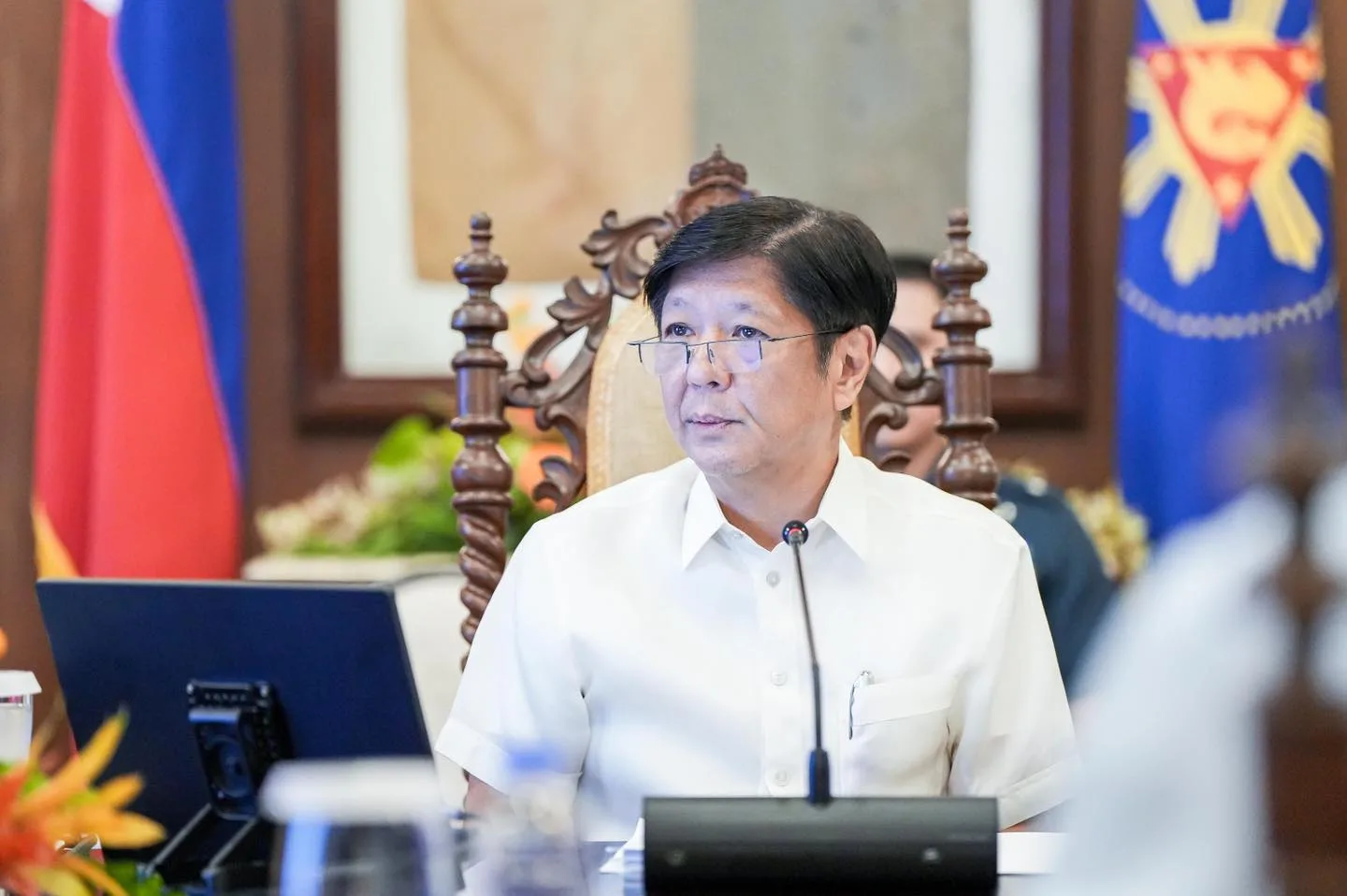
The statement would’ve landed better if the country weren’t simultaneously drowning in:
• flood-control scandals,
• budget insertions,
• questionable agencies (ICI/IPC),
• canceled passports,
• surrendering contractors,
• skyrocketing prices, and
• systems collapsing left and right.
Kung ito ang “structural reform,”
paano pa kaya kung walang reform?
Marcos insists he works long hours, thinking “out of the box” with advisers. But the Filipino people are asking:
If this is ‘thinking out of the box,’ bakit parang lalong nasisira ang kahon?
He says reforms should continue even after he leaves office.
But what reforms?
• Unlimited unprogrammed funds?
• Agencies duplicating each other?
• Budget leaks everywhere?
• Multi-billion peso anomalies piling faster than cases can be filed?
“Your rulers are rebels, companions of thieves; everyone loves a bribe and chases after gifts.”
A structural reform without righteousness is not reform — it is repackaged corruption.
The Agila sees the truth:
Real reform is not measured by long meetings or podcasts.
It is measured by justice, accountability, and transparency.
And right now, the cracks in this administration’s “structure” are louder than the President’s monologue.

🎧 Stream Sa Gitna ng Uhaw on Spotify, Amazon Music, Itunes, Youtube and Facebook today.
https://open.spotify.com/album/63hbCvGl6brB4nhEcK1z1q?si=Xj-xKgidTEOZ1WLY6Pcckw
Apple Music: https://music.apple.com/gb/album/sa-gitna-ng-uhaw/1858077981
TIDAL: https://tidal.com/album/478344566/track/478344575
Deezer: https://www.deezer.com/us/album/868511842

Executive Secretary Ralph Recto is now calling for “broad consultation” before Congress discusses President Marcos Jr.’s wish list:
✔ Anti-dynasty law
✔ Independent People’s Commission (IPC)
✔ Transparency reforms
✔ Accountability measures
At first glance, this looks promising —
who wouldn’t want anti-dynasty reforms and accountability?

But the irony is too loud to ignore.
Let’s not kid ourselves.
This administration is led by a clan with:
✔ a sitting President
✔ a Congressman son
✔ influential relatives in key agencies
✔ a First Lady with powerful business-linked connections
✔ political cousins in local and national government
Anti-dynasty law under Marcos 2.0 is like:
“Magpasa tayo ng anti-kurapsyon bill… habang ongoing ang flood-control scandal.”
The contradiction is glaring.
Recto says:
“Broad consultation will result in better laws.”
But Filipinos know this pattern too well:
Raise a noble reform
Spread it across consultations
Form technical working groups
Forward to committees
Send to subcommittees
Stall
Forget
Anti-dynasty bills have been filed since 1987.
Not a single one passed —
because dynasties control the votes.
This administration calling for consultation on anti-dynasty laws is like:
“Let’s ask all smokers whether we should ban cigarettes.”
You already know the answer.
Recto also supports the Independent People’s Commission (IPC) —
which even Palace officials admit may duplicate the functions of the Ombudsman and DOJ.
Bakit ba inuulit-ulit ang ahensyang may kapareho nang trabaho?
The public sees this as:
✔ redirection
✔ optics
✔ dilution of accountability
✔ and a way to sidestep existing institutions
Kung seryoso ang gobyerno, the Ombudsman is already there.
Hindi kailangan ng clone agency.
It’s impossible to ignore the context:
✔ ₱16B flood-control scandal
✔ ₱60B PhilHealth transfer declared illegal
✔ ₱107B PDIC reallocation questioned
✔ Frozen contractor accounts
✔ Ghost dredging projects
✔ Unfinished flood plans
✔ Insertions in the budget
✔ Unprogrammed funds ballooning
Talking about “anti-dynasty law” and “transparency” amid all these issues feels like:
Doctor giving vitamins while the patient is bleeding out.
Duterte never played around with “consultations” when it came to reform.
His style was:
✔ decide
✔ implement
✔ enforce
✔ deliver
No drama.
No poetic speeches.
No contradictory messaging.
Today’s administration uses “consultation” as a buffer zone between promise and paralysis.
“You will know them by their fruits.”
Not by their speeches.
Not by their consultations.
But by the results.
🎧 Stream Sa Gitna ng Uhaw on Spotify, Amazon Music, Itunes, Youtube and Facebook today.
https://open.spotify.com/album/63hbCvGl6brB4nhEcK1z1q?si=Xj-xKgidTEOZ1WLY6Pcckw
Apple Music: https://music.apple.com/gb/album/sa-gitna-ng-uhaw/1858077981
TIDAL: https://tidal.com/album/478344566/track/478344575
Deezer: https://www.deezer.com/us/album/868511842

Executive Secretary Ralph Recto recently declared that the Philippines now has the opportunity to build a “mas mabuti, mas malinis, at mas epektibong pamahalaan.”
A beautiful line — almost poetic.
But in a nation drowning in corruption scandals, the public reacted not with applause…
but with a collective raised eyebrow.

Recto’s statement comes at a time when the country is in the middle of the biggest anti-corruption protests since 1986.
Billions allegedly lost in flood control projects.
Ghost contractors.
Kickbacks.
Passport cancellations.
Threats of arrest for protesters.
Flip-flopping statements from the Palace.
And now — a sudden call for a “cleaner” government?
It’s a good message…
but the people have one simple reply:
“Sana all.”
Kung matagal nang may pagkakataon para gumawa ng malinis na gobyerno, bakit ngayon lang lumalabas ang mga deklarasyong ganito?
Bakit parang salita lang, walang tunay na aksyon?
At bakit sa gitna ng pagsabog ng mga kontrobersiya, saka lang nabanggit ang pangarap ng “malinis na pamahalaan”?
The irony isn’t lost on the Filipino people — a government facing scandal now claiming it's time to clean up.
Building a clean government is not about speeches on stage.
It’s about facing the truth…
even if the truth exposes your allies.
It’s about transparency…
even if transparency makes the administration uncomfortable.
It’s about justice…
even if justice reaches high places.
Kung hindi kayang harapin ang big fish, paano ang maliit?
Ralph Recto’s words could have been powerful.
Pero sa panahon ngayon, pagod na ang tao sa salita.
Gusto nila ng galaw.
Gusto nila ng hustisya.
Gusto nila ng tapang — ’yung totoo, hindi scripted.
And so the public replies:
“Kung gusto niyo talagang linisin ang gobyerno, unahin niyo ’yung nasa loob mismo ng Palasyo.”
📖 Isaiah 1:17
“Learn to do right; seek justice. Defend the oppressed.”
True reform begins with courage — the courage to confront sin, even if it exists in your own camp.
This moment is a test:
Will the government finally confront corruption head-on?
Or is this just another line meant to pacify a nation demanding the truth?
The people have awakened.
The youth have marched.
The streets have spoken.
And whether the powerful like it or not,
History is already taking notes.




Disclaimer: This site uses publicly available images and materials for news, satire, and commentary. All rights belong to their respective owners. No copyright infringement intended.
© 2025 Politikanta Minute. All Rights Reserved.
Political Commentary • Satire • Faith-Based Reflection
Some visuals may be AI-generated for satire and illustration. Not real footage unless stated.

Disclaimer: This site uses publicly available images and materials for news, satire, and commentary. All rights belong to their respective owners. No copyright infringement intended.
© 2025 Politikanta Minute. All Rights Reserved.
Political Commentary • Satire • Faith-Based Reflection
Some visuals may be AI-generated for satire and illustration. Not real footage unless stated.