
Support Politikanta Minute
Your support keeps independent commentary alive.
☕ Buy us a coffee and keep the conversation going
Latest Videos
Curated Politikanta Minute playlists by focused political topic.
HOR Issues
Latest HOR-related updates, reactions, political tension, hearing clips, and issue breakdowns.
Watch MoreDuterte Legacy Playlist
Senate Circus Playlist
House of Representatives Scandals Playlist
18 Marines Playlist
Global Entertainment Playlist
Global News Playlist
Bible Scripture Playlist
Breaking News Playlist
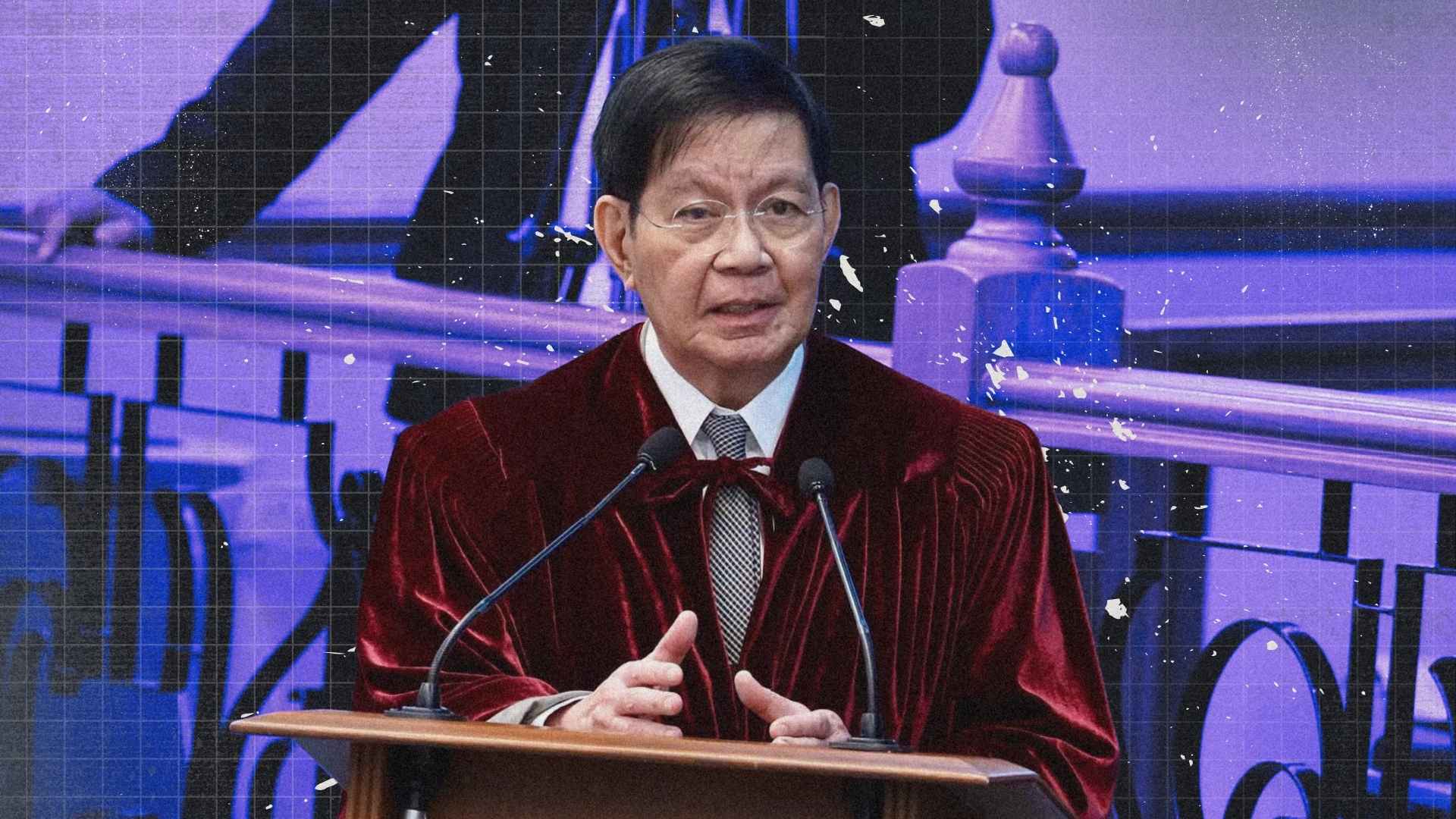
Ping Lacson Questions NBI on Why ‘Oplan Romanov’ Was Not Included in Investigation
Ping Lacson Questions NBI Over 'Oplan Romanov' Investigation
Senator-judge Panfilo "Ping" Lacson questioned NBI BARMM Regional Director Jeremy Lotoc regarding the agency's handling of information related to "Oplan Romanov" during the impeachment trial of Vice President Sara Duterte.
Lacson focused on why publicly available statements associated with the alleged operation were not incorporated into the NBI's investigation despite the agency's acknowledgment that it relied partly on open-source information.
Lacson Says He Initially Had a Different Impression
Lacson admitted that, until clarifications made during the proceedings, he believed "Oplan Romanov" referred to an alleged threat against Vice President Sara Duterte.
He noted that Senator-judge Raffy Tulfo's earlier discussion clarified that the reference was allegedly connected to threats against the First Family.
"My impression since last week... was that Oplan Romanov referred to a threat against the Vice President."
Question on Open-Source Investigation
Lacson asked Lotoc whether statements made by Davao City Mayor Sebastian "Baste" Duterte during a Maisug gathering formed part of the NBI's open-source investigation.
Lotoc answered that they did not.
"Hindi po siya nag-form part."
The response prompted Lacson to ask why those publicly available statements were excluded if the investigation relied on open-source information.
Lotoc Explains the NBI's Focus
Lotoc explained that investigators were not primarily focused on "Oplan Romanov" itself but on determining its context.
He said the NBI attempted to invite an individual identified as Princess Maui to explain what was meant by the reference.
According to Lotoc, investigators wanted additional information before incorporating it into their case-building process.
Lacson Questions the Scope
Lacson observed that if "Oplan Romanov" was understood to involve alleged threats against the President and the First Family, then those statements could potentially reinforce the prosecution's theory.
He asked why they were omitted from both the affidavit and the investigative report.
Lotoc acknowledged that investigators themselves only fully appreciated that interpretation after further clarification during the proceedings.
"Ngayon niyo rin lang na-realize na 'Oplan Romanov' was directed at the First Family?"
Lotoc replied:
"Opo, Your Honor."
Focus Remains on Evidentiary Issues
The exchange highlighted the Senate's continuing effort to examine not only the evidence itself but also the methods used by investigators in gathering and evaluating information.
Questions about investigative scope, witness interpretation, and evidentiary completeness have become recurring themes during the cross-examination of prosecution witnesses.
No ruling was issued during this exchange regarding the evidentiary value of "Oplan Romanov," as the proceedings continued with additional questioning from the senator-judges.
Reportorial Commentary
Cross-examination often serves to test the completeness and consistency of an investigation rather than to establish final conclusions. Senator Ping Lacson's questioning centered on whether potentially relevant publicly available information should have been incorporated into the NBI's investigative record and whether investigators fully understood the context of the statements they were evaluating.
Ultimately, the Senate Impeachment Court will determine what weight, if any, should be given to the evidence and testimony presented. The responsibility of assessing credibility and relevance rests with the senator-judges based on the totality of the record developed during the trial.
Bible Verse & Exegesis
"The one who states his case first seems right, until the other comes and examines him." — Proverbs 18:17 (ESV)
Exegesis
This proverb emphasizes the importance of careful examination before reaching conclusions. In legal and judicial proceedings, questioning witnesses and testing evidence are essential parts of pursuing justice. The principle encourages patience, fairness, and a willingness to consider all relevant facts before making a final judgment.
🏥 Political Watch | Go Reaffirms Support for Health Workers
February 07, 2026•2 min read
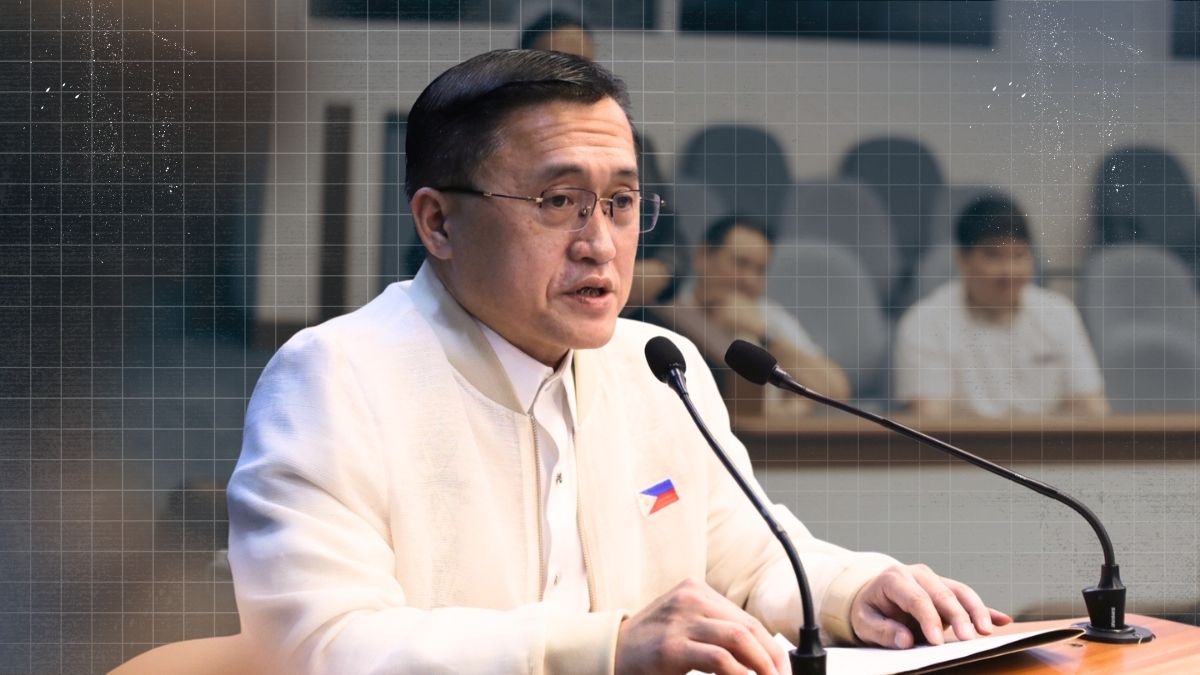
Beyond Applause: Why Health Workers Remain at the Center of Policy Talk
As the healthcare system continues to recover from years of strain, Bong Go has once again reaffirmed his support for Filipino health workers, underscoring their role as the backbone of public health and national resilience.
In recent statements, Go emphasized that doctors, nurses, midwives, barangay health workers, and hospital staff deserve not just praise—but sustained institutional support, particularly in compensation, protection, and access to resources.
While similar declarations are common in politics, the timing matters. The healthcare sector remains stretched thin by workforce migration, burnout, and uneven access to services—especially in far-flung provinces.
Health Workers After the Pandemic: Still on the Frontline
Although the emergency phase of the pandemic has passed, the aftershocks remain:
Chronic understaffing in public hospitals
Overseas migration of nurses and doctors
Delayed benefits and hazard pay disputes
Overworked barangay health workers
Go’s renewed message taps into a growing concern: the country risks losing its healthcare workforce faster than it can replace it.
From Rhetoric to Policy
Go has consistently framed health workers as a priority sector, often linking support to:
Improved hospital infrastructure
Expanded access to medical assistance
Faster processing of benefits
Support for local healthcare facilities
Supporters argue that such messaging reinforces continuity in health-related programs. Critics, however, point out that systemic reform—not statements—is the real test, particularly when budgets are debated.
Still, in a political climate crowded with leadership struggles, impeachment chatter, and institutional friction, the focus on health workers offers a rare moment of policy consensus.
Why This Messaging Resonates
Healthcare remains one of the few issues that cuts across political divides.
Whether in urban centers or rural barangays, Filipinos interact daily with:
Government hospitals
Public health clinics
Barangay health stations
By reaffirming support, Go aligns himself with a sector that commands high public trust and moral authority—health workers are seen not as political actors, but as public servants who stayed visible even when institutions faltered.
Barangay Health Workers: Often Mentioned, Rarely Protected
A key subtext of Go’s remarks is the role of barangay health workers (BHWs). Often unpaid or underpaid, BHWs serve as the first—and sometimes only—point of medical contact in remote areas.
Calls to improve their benefits have grown louder, especially as local governments struggle with funding limitations. Any reaffirmation of support inevitably raises expectations for:
Formalized compensation
Legal protection
Skills training
Without these, praise risks becoming performative.
The Political Calculation
In Philippine politics, health advocacy is never neutral.
Supporting health workers:
Signals empathy
Reinforces pro-poor positioning
Deflects from partisan conflict
But it also sets benchmarks. Once reaffirmed publicly, voters and workers alike will measure follow-through—especially during budget deliberations and committee hearings.
What Comes Next
The real question is not whether support is reaffirmed—but how it will be institutionalized.
Health workers are watching:
Budget allocations
Senate committee actions
Legislative timelines
Because for those on 24-hour duty shifts, words matter—but policy pays the bills.



More House of Representa’thieves Stories
FOLLOW US


Disclaimer: This site uses publicly available images and materials for news, satire, and commentary. All rights belong to their respective owners. No copyright infringement intended.
© 2025 Politikanta Minute. All Rights Reserved.
Political Commentary • Satire • Faith-Based Reflection
Some visuals may be AI-generated for satire and illustration. Not real footage unless stated.
FOLLOW US

Disclaimer: This site uses publicly available images and materials for news, satire, and commentary. All rights belong to their respective owners. No copyright infringement intended.
© 2025 Politikanta Minute. All Rights Reserved.
Political Commentary • Satire • Faith-Based Reflection
Some visuals may be AI-generated for satire and illustration. Not real footage unless stated.