
Support Politikanta Minute
Your support keeps independent commentary alive.
☕ Buy us a coffee and keep the conversation going
Latest Videos
Curated Politikanta Minute playlists by focused political topic.
HOR Issues
Latest HOR-related updates, reactions, political tension, hearing clips, and issue breakdowns.
Watch MoreDuterte Legacy Playlist
Senate Circus Playlist
House of Representatives Scandals Playlist
18 Marines Playlist
Global Entertainment Playlist
Global News Playlist
Bible Scripture Playlist
Breaking News Playlist

Rowena Guanzon Defends 16-Vote Requirement in VP Sara Duterte Impeachment Trial
GUANZON: "MAHIYA NAMAN KAYO" SA MGA NAGSASABING PWEDENG BAGUHIN ANG 16-VOTE REQUIREMENT
Mariing tinutulan ni dating Comelec at COA Commissioner Rowena Guanzon ang mga pahayag ng ilang abogado na maaari pang baguhin ang kinakailangang 16 boto para sa conviction sa impeachment trial ni Vice President Sara Duterte.
Ayon kay Guanzon, malinaw ang probisyon ng 1987 Constitution na nangangailangan ng two-thirds vote ng lahat ng miyembro ng Senado upang magkaroon ng conviction sa impeachment case.
"Yung mga abogadong nagsasabi na yung conviction na 16 votes sa Senate ay puwede pang mabago... baka ibang Konstitusyon ang binabasa ninyo diyan."
Ipinunto ang Layunin ng Constitutional Commission
Binigyang-diin ni Guanzon na sadyang itinakda ng mga gumawa ng Konstitusyon ang mataas na voting requirement upang hindi maging madali ang pagpapatalsik sa isang halal na Pangulo o Bise Presidente.
"Kaya nga ginawang two-thirds vote 'yan para hindi madaling magpatanggal ng hinalal ng tao na Presidente o Bise Presidente."
Binanggit din niya ang mga miyembro ng Constitutional Commission, kabilang si dating Chief Justice Hilario Davide Jr., bilang paalala na ang naturang probisyon ay bunga ng masusing pagbalangkas ng Saligang Batas.
Patuloy ang Diskusyon sa Voting Requirement
Lumalabas ang usaping ito habang nagpapatuloy ang impeachment trial at kasunod ng iba't ibang pananaw hinggil sa kung paano dapat bilangin ang kinakailangang boto para sa conviction.
May ilang legal experts na naglalatag ng magkakaibang interpretasyon sa epekto ng posibleng pagliban o hindi paglahok ng ilang senator-judges. Gayunman, mayroon ding mga legal na opinyon, tulad ng kay Guanzon, na naniniwalang nananatiling malinaw ang itinatakda ng Konstitusyon.
Sa huli, anumang usaping may kaugnayan sa interpretasyon ng mga alituntunin ay nakasalalay sa magiging pasya ng Senate impeachment court at sa umiiral na batas.
Reportorial Commentary
Ang pahayag ni Rowena Guanzon ay sumasalamin sa kanyang legal na interpretasyon ng 1987 Constitution at sa kanyang pananaw na hindi dapat baguhin ang threshold para sa conviction sa impeachment trial. Gayunman, may iba ring mga legal na eksperto na naglalatag ng magkakaibang pananaw tungkol sa interpretasyon ng voting requirement, lalo na sa usapin ng mga senator-judges na maaaring hindi makalahok sa botohan.
Sa kasalukuyan, nananatiling umiiral ang mga probisyon ng Konstitusyon at ang anumang opisyal na interpretasyon sa aplikasyon nito ay nasa kapangyarihan ng mga kaukulang institusyon at ng Senate impeachment court.
📖 Exegesis Bible Verse
"Do not move an ancient boundary stone set up by your ancestors." — Proverbs 22:28
Context
Ang talatang ito ay tumutukoy sa paggalang sa mga itinakdang hangganan at alituntunin bilang bahagi ng katarungan at kaayusan. Sa mas malawak na prinsipyo, ipinapaalala nito ang kahalagahan ng paggalang sa mga umiiral na batas at proseso habang ang anumang pagbabago ay dapat dumaan sa wastong pamamaraan. Sa konteksto ng pampublikong pamamahala, nagsisilbi itong paalala na ang mga usaping konstitusyonal ay dapat lutasin sa pamamagitan ng legal na proseso at maingat na interpretasyon ng batas.
HOUSE WATCH | When Procedure Is Upheld—and Patience Walks Out
February 03, 2026•1 min read
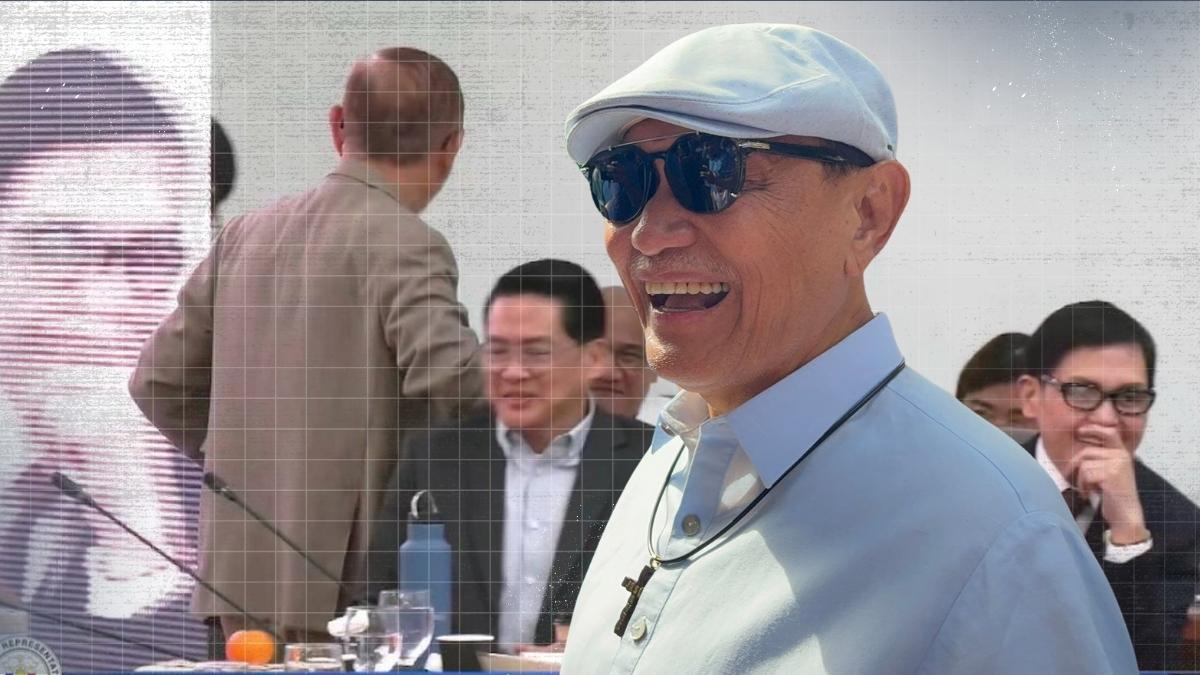
Process moved forward.
One lawmaker moved out.
Manila 6th District Representative Benny Abante walked out of a House Justice Committee hearing on February 2, 2026, moments after the panel ruled the second impeachment complaint against President Ferdinand Marcos Jr. as “sufficient in form.”
Abante objected to the declaration, questioning whether the complainants were legitimate taxpayers and insisting that the complaint suffered from insufficiency in form. He then announced his decision to leave the proceedings.
“It is very clear that there is insufficiency in form… I therefore would like to walk out of this hearing right now.”
Committee members proceeded after the walkout, noting that the ruling pertained strictly to form, not substance—an early procedural threshold that allows the process to continue to the next stage.
Discreetly, the moment captures a recurring feature of impeachment proceedings: when rulings go against a member’s position, dissent sometimes shifts from debate to departure. Supporters frame the walkout as a protest of principle; critics see it as conceding the room at the very moment deliberation matters most.
Quiet satire writes itself: the complaint stayed seated; the objection stood up and left.




More House of Representa’thieves Stories
FOLLOW US


Disclaimer: This site uses publicly available images and materials for news, satire, and commentary. All rights belong to their respective owners. No copyright infringement intended.
© 2025 Politikanta Minute. All Rights Reserved.
Political Commentary • Satire • Faith-Based Reflection
Some visuals may be AI-generated for satire and illustration. Not real footage unless stated.
FOLLOW US

Disclaimer: This site uses publicly available images and materials for news, satire, and commentary. All rights belong to their respective owners. No copyright infringement intended.
© 2025 Politikanta Minute. All Rights Reserved.
Political Commentary • Satire • Faith-Based Reflection
Some visuals may be AI-generated for satire and illustration. Not real footage unless stated.