
Satire songs and statement shirts made to spark thought, start conversations, and carry truth with boldness.
“Wear the Message. Hear the Truth.”
Support Politikanta Minute
Your support keeps independent commentary alive.
☕ Buy us a coffee and keep the conversation going
Satire songs and statement shirts made to spark thought, start conversations, and carry truth with boldness.
“Wear the Message. Hear the Truth.”
Politikanta Minute Originals
Browse like Lazada. Order exclusive on this website via GCash/Bank.
Exclusive drops — available only on this website.
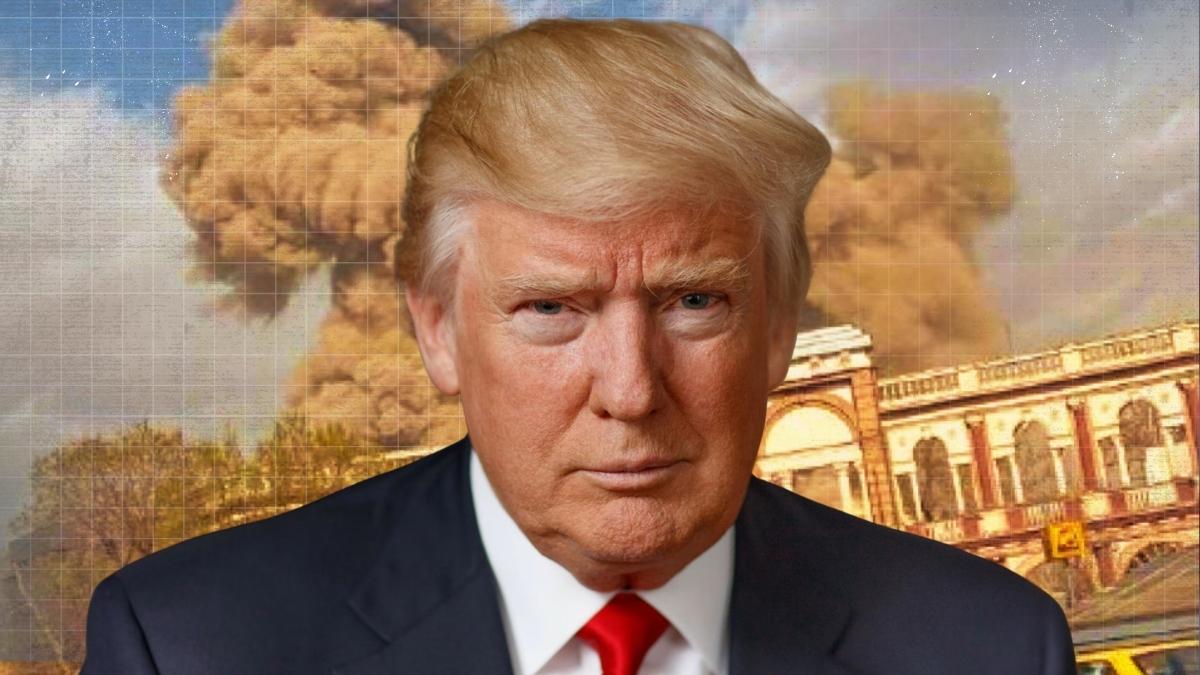
BREAKING: Trump Says “Surrender or Die” as U.S. Launches Strikes Alongside Israel
Meta Title: Trump Says “Surrender or Die” as U.S. Launches Strikes With Israel Against Iran
Meta Description: Donald Trump vows to topple Iran’s leadership, issuing a “surrender or die” warning as U.S. military operations reportedly begin in coordination with Israel.
🇺🇸 Trump Escalates Rhetoric Amid Military Action
Former U.S. President Donald Trump has issued one of his strongest statements yet regarding Iran, reportedly declaring that the regime must “surrender or die” as military operations are launched in coordination with Israel.
According to reports, Trump vowed to topple what he described as Iran’s “Islamic dictators,” framing the operation as both defensive and strategic.
The remarks mark a dramatic escalation in both tone and posture.
🎯 What Has Been Confirmed
Based on initial reports:
U.S. forces have begun military operations targeting Iranian-linked assets.
Coordination with Israel has been publicly acknowledged.
Trump reiterated the long-standing U.S. position that Iran must never obtain nuclear weapons.
The operation is framed as eliminating imminent threats to American and allied security.
Official Pentagon briefings detailing scope, duration, and targets remain limited at this stage.
🔥 The “Surrender or Die” Warning
Trump’s “surrender or die” statement significantly raises the rhetorical stakes.
Such language signals:
A shift from deterrence to direct confrontation.
Possible intent beyond limited strikes.
A posture aimed at regime-level pressure.
However, regime change operations historically carry complex geopolitical consequences and extended conflict risks.
🌍 Regional & Global Implications
Any joint U.S.–Israel military action involving Iran carries global repercussions:
1️⃣ Risk of Retaliation
Iran could respond through:
Direct missile strikes
Proxy militia operations
Cyber warfare
Disruption of oil transit routes (e.g., Strait of Hormuz)
2️⃣ Energy Market Impact
Oil markets often react immediately to Middle East escalation, affecting global fuel prices.
3️⃣ International Diplomatic Fallout
UN Security Council emergency sessions likely.
NATO consultations possible.
Russia and China may issue responses.
⚖️ Legal & Strategic Context
Military engagement at this scale raises several key legal questions:
Was Congressional authorization obtained?
What international law justifications are being cited?
Is this framed as self-defense under Article 51 of the UN Charter?
Formal documentation and legal justification will likely emerge in the coming days.
🛑 Nuclear Policy Core Issue
Trump’s repeated assertion:
“Iran can never have a nuclear weapon.”
This reflects a bipartisan U.S. foreign policy goal, though strategies have differed between administrations.
The Iranian nuclear file has long been a flashpoint in U.S.–Middle East relations, involving sanctions, diplomacy, and intelligence operations.
🧭 What Happens Next?
Key developments to monitor:
Iranian official response
Israeli government statements
Pentagon operational briefing
Oil market movements
Congressional reaction
If escalation continues, the situation could shift from targeted operations to sustained regional conflict.
📌 Bottom Line
Trump’s declaration signals a defining moment in U.S.–Iran relations.
Whether this remains limited military action or expands into prolonged confrontation will depend heavily on Tehran’s response and diplomatic channels.
The Middle East now enters a period of extreme volatility.













More for You
FOLLOW US


Disclaimer: This site uses publicly available images and materials for news, satire, and commentary. All rights belong to their respective owners. No copyright infringement intended.
© 2025 Politikanta Minute. All Rights Reserved.
Political Commentary • Satire • Faith-Based Reflection
Some visuals may be AI-generated for satire and illustration. Not real footage unless stated.
FOLLOW US
Disclaimer: This site uses publicly available images and materials for news, satire, and commentary. All rights belong to their respective owners. No copyright infringement intended.
© 2025 Politikanta Minute. All Rights Reserved.
Political Commentary • Satire • Faith-Based Reflection
Some visuals may be AI-generated for satire and illustration. Not real footage unless stated.