
Support Politikanta Minute
Your support keeps independent commentary alive.
☕ Buy us a coffee and keep the conversation going
Latest Videos
Curated Politikanta Minute playlists by focused political topic.
SENATE Issues
Latest SENATE-related updates, reactions, political tension, hearing clips, and issue breakdowns.
Watch MoreDuterte Legacy Playlist
BBM Playlist
House of Representatives Scandals Playlist
18 Marines Playlist
Global Entertainment Playlist
Global News Playlist
Bible Scripture Playlist
Breaking News Playlist
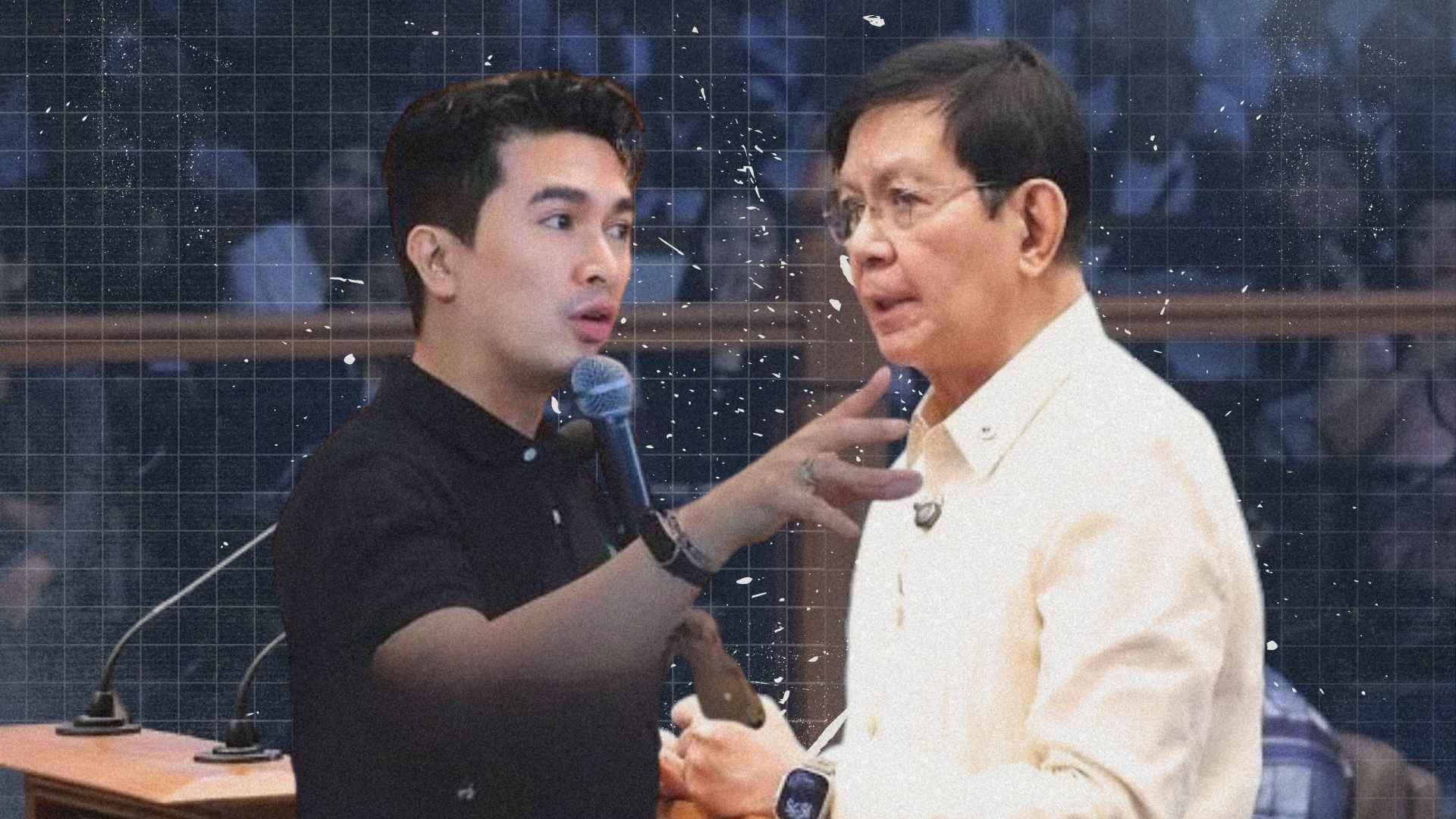
Atty. Regie Tongol Clarifies Role on Rule 18, Welcomes Sen. Ping Lacson's Statement
Tongol Welcomes Lacson's Clarification on Rule 18
Atty. Regie Tongol welcomed the public statement of Senator Panfilo "Ping" Lacson, saying it reinforced his earlier position that only the Senate itself has the authority to determine whether any senator-judge violated Rule 18 of the Senate Rules on Impeachment.
Tongol said Lacson's remarks confirmed the institutional boundaries governing impeachment proceedings and clarified the limits of his own role as spokesperson.
'It Is Beyond My Mandate'
Tongol explained that during an earlier media briefing, he deliberately avoided making any conclusion on whether a senator had violated Rule 18.
According to him, he explicitly stated:
"Hindi ko po sinasabing may paglabag si Senator-Judge Robin. Hindi po ako senador para mag-make ng determination."
He emphasized that determining whether a senator-judge committed a violation belongs exclusively to the Senate and not to its spokespersons or outside commentators.
Explaining Rule 18—Not Judging Senators
Tongol said his responsibility is limited to explaining the mechanics of the Senate's sub judice rule under Rule 18 as a general legal concept.
He stressed that his office does not possess authority to determine whether any senator has breached the rule.
According to him, making such a finding would be "outside my mandate and beyond my pay grade."
Constitutional Basis
Tongol also cited Article VI, Section 16 of the 1987 Constitution, Senate rules, and Supreme Court jurisprudence, saying disciplinary authority over senators belongs exclusively to the Senate acting as a collegial body.
He said Senator Lacson, drawing from his experience, correctly emphasized that constitutional boundary.
Protecting Institutional Integrity
Tongol concluded that he and Lacson share the same objective: protecting the institutional integrity, credibility, and hierarchy of the Senate during the ongoing impeachment proceedings.
He described Lacson's clarification as helpful guidance in preserving respect for the Senate's constitutional processes.
Reportorial Commentary
The exchange reflects an important distinction in institutional governance. Legal spokespersons may explain procedural rules and constitutional provisions, but questions involving whether a senator-judge has violated Senate rules are generally matters reserved for the Senate itself under its internal disciplinary authority.
As the impeachment trial continues, procedural questions remain almost as significant as the substantive allegations. Public officials and legal representatives have increasingly emphasized that adherence to established constitutional processes helps maintain public confidence in the legitimacy of the proceedings, regardless of the eventual outcome.
Bible Verse & Reflection
"Let all things be done decently and in order." — 1 Corinthians 14:40 (NKJV)
Reflection
Institutions function best when authority is exercised within clearly defined boundaries. Whether in public service or daily life, respecting established processes promotes fairness, accountability, and trust. Orderly procedures do not determine the outcome of a case, but they help ensure that decisions are reached through legitimate and transparent means.
Lacson Shrugs Off Talk of Leadership Threats, Cites Senate Rules
February 03, 2026•1 min read
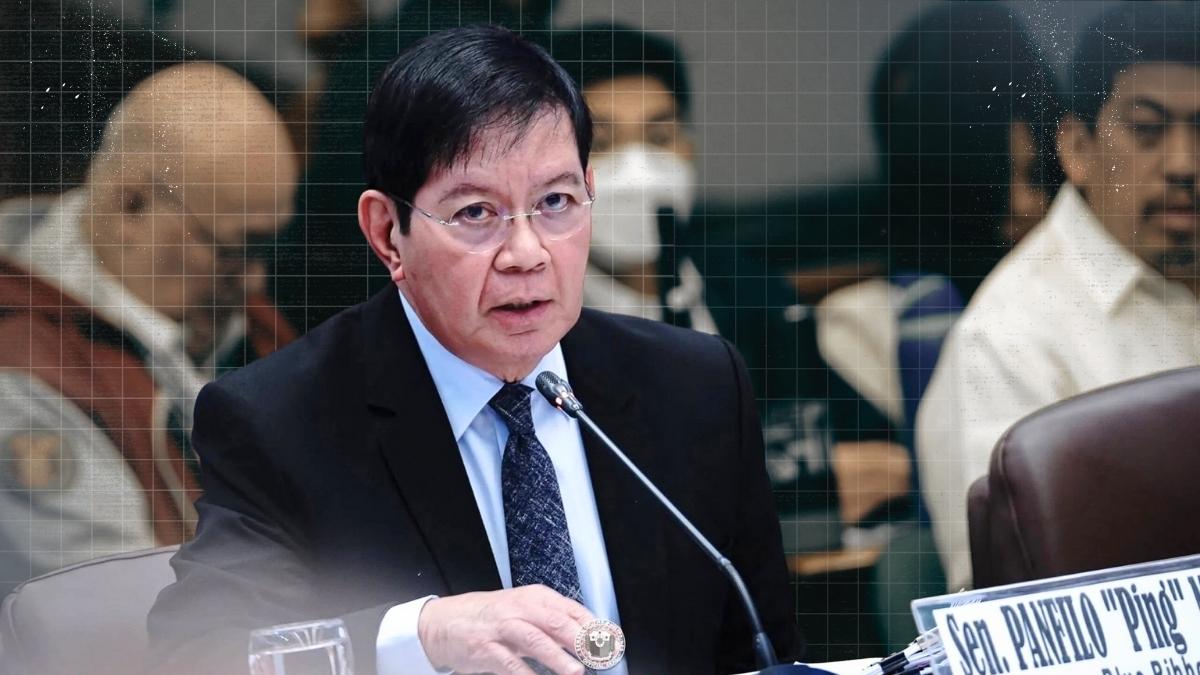
Senator Ping Lacson downplayed reports of threats to Senate leadership, saying such moves are procedural matters governed by Senate rules, not pressure tactics or public noise.
Lacson said leadership changes in the Senate cannot be forced by speculation or political maneuvering outside the chamber. Any shift, he explained, must follow formal processes, including motions raised on the Senate floor and supported by a majority of members.
The remarks come amid renewed political tension driven by investigations into flood control projects, budget issues, and high-profile legal cases involving public officials. While talk of leadership destabilization has circulated online, Lacson stressed that the Senate remains guided by institutional rules rather than personalities.
He added that the Senate’s work—particularly committee investigations—should not be distracted by rumors meant to intimidate or unsettle leadership. Accountability efforts, he said, proceed regardless of political pressure.
For observers, Lacson’s response signals continuity: Senate leadership is not decided by threats, but by votes and procedure.
Quiet takeaway: In the Senate, authority comes from rules and numbers—not from noise.



More Senate Stories
FOLLOW US


Disclaimer: This site uses publicly available images and materials for news, satire, and commentary. All rights belong to their respective owners. No copyright infringement intended.
© 2025 Politikanta Minute. All Rights Reserved.
Political Commentary • Satire • Faith-Based Reflection
Some visuals may be AI-generated for satire and illustration. Not real footage unless stated.