
Support Politikanta Minute
Your support keeps independent commentary alive.
☕ Buy us a coffee and keep the conversation going
Latest Videos
Curated Politikanta Minute playlists by focused political topic.
SENATE Issues
Latest SENATE-related updates, reactions, political tension, hearing clips, and issue breakdowns.
Watch MoreDuterte Legacy Playlist
BBM Playlist
House of Representatives Scandals Playlist
18 Marines Playlist
Global Entertainment Playlist
Global News Playlist
Bible Scripture Playlist
Breaking News Playlist
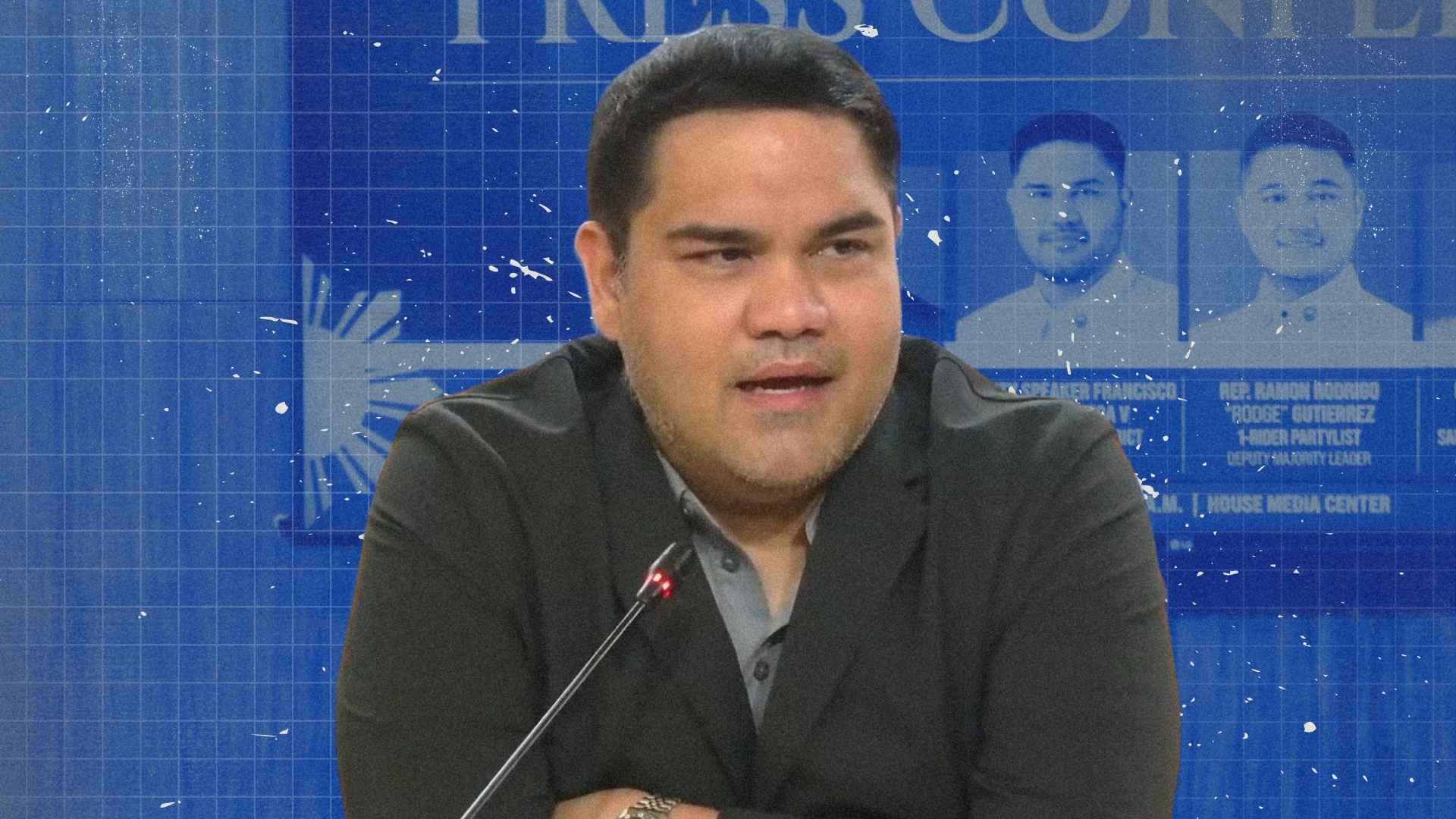
Paolo Ortega Rejects VP Sara Defense's "Conditional Threat" Argument in Impeachment Trial
PAOLO ORTEGA: "PALUSOT LANG 'YAN" SA ARGUMENTONG 'CONDITIONAL THREAT' NG DEPENSA NI VP SARA
Hindi sang-ayon si La Union 1st District Rep. Paolo Ortega sa argumento ng defense panel ni Vice President Sara Duterte na ang naging pahayag ng bise presidente noong Nobyembre 2024 ay isa lamang umanong "conditional threat."
Ayon kay Ortega, hindi niya tinatanggap ang paliwanag ng depensa at iginiit na karaniwan umano itong depensa ng mga nahaharap sa alegasyon ng grave threats.
"Palusot lang 'yan ng mga (nagbibigay ng) grave threats."
Depensa: Hypothetical at Conditional Lamang ang Pahayag
Sa nagpapatuloy na impeachment trial, iginiit ng kampo ni Vice President Sara Duterte na ang kontrobersyal na pahayag nito ay hindi dapat ituring na aktuwal na pagbabanta dahil ito umano ay hypothetical at conditional, at dapat basahin sa kabuuang konteksto ng kanyang press conference.
Ito ang isa sa pangunahing argumento ng defense sa pagtutol sa alegasyong lumabag ang bise presidente sa kanyang tungkulin.
Prosecution: Hindi Ito Simpleng Palusot
Para kay Ortega, hindi sapat ang paliwanag ng depensa upang maalis ang bigat ng mga paratang na nakapaloob sa Article IV ng Articles of Impeachment.
Ayon sa prosecution, ang impeachment court ang siyang magpapasya kung ang mga pahayag ni Duterte ay maituturing na grave threats batay sa kabuuang ebidensiyang ihaharap ng magkabilang panig.
Patuloy ang Legal na Pagtatalo
Isa ang isyu ng "conditional threat" sa pinakamainit na usaping legal sa impeachment trial.
Habang iginigiit ng defense na walang direktang banta at dapat tingnan ang buong konteksto ng video, naninindigan naman ang prosecution na sapat ang kanilang inihaharap na ebidensiya upang ipakita ang seryosong katangian ng naturang pahayag.
Ang magiging pasya sa usaping ito ay nakasalalay pa rin sa magiging pagsusuri at desisyon ng Senate impeachment court.
Reportorial Commentary
Ang pahayag ni Rep. Paolo Ortega ay bahagi ng opisyal na posisyon ng House prosecution at sumasalamin sa kanilang legal na argumento laban sa depensa ni Vice President Sara Duterte. Samantala, nananatiling posisyon ng defense na ang naging pahayag ng bise presidente ay hindi bumubuo ng isang aktuwal na criminal threat at dapat suriin batay sa kabuuang konteksto ng kanyang mga sinabi.
Sa kasalukuyan, wala pang pinal na desisyon ang Senate impeachment court hinggil sa usaping ito. Ang bigat at interpretasyon ng mga pahayag ay patuloy na sinusuri sa loob ng proseso ng paglilitis.
📖 Exegesis Bible Verse
"Let your 'Yes' be yes, and your 'No,' no." — Matthew 5:37
Context
Sa Sermon on the Mount, itinuro ni Jesus ang kahalagahan ng pagiging tapat at malinaw sa pananalita. Ang diwa ng talatang ito ay ang pananagutan sa sariling mga salita at ang pag-iwas sa kalabuan o panlilinlang. Sa konteksto ng pampublikong diskurso at mga legal na proseso, nagsisilbi itong paalala na ang kahulugan at epekto ng mga pahayag ay dapat timbangin nang may katapatan, ebidensya, at paggalang sa due process.
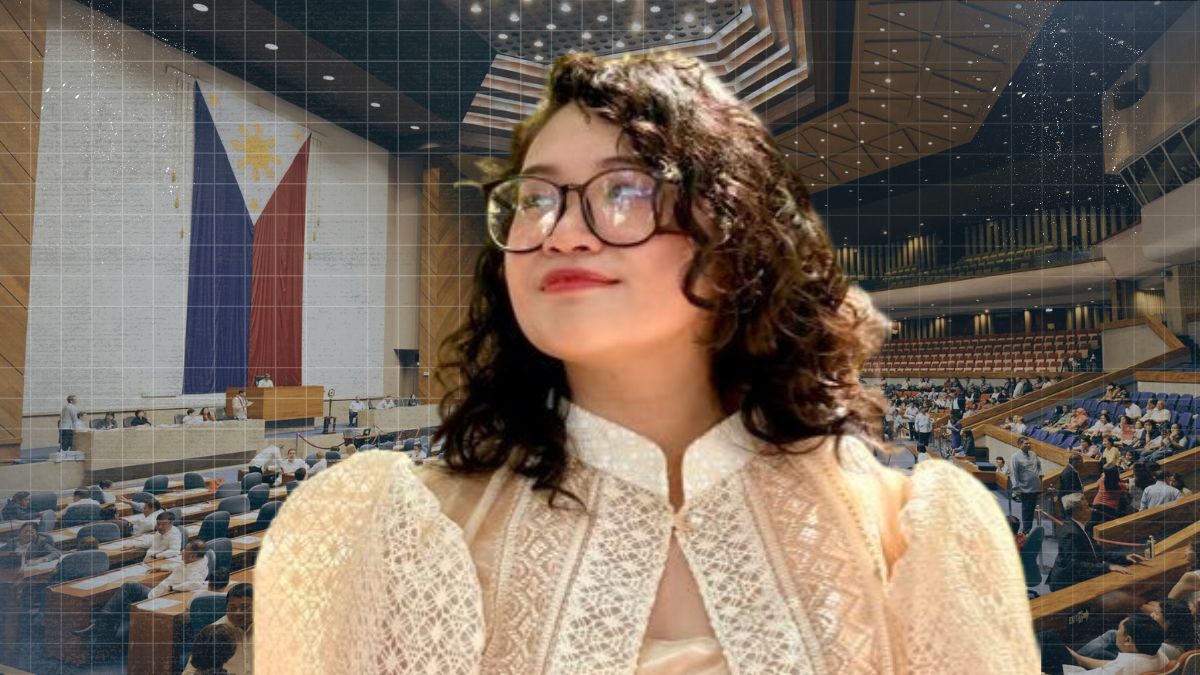
HOUSE WATCH | When “Public Trust” Becomes the Charge
February 03, 2026•1 min read
The phrase is constitutional.
The accusation is political.
The moment is procedural.
Kabataan Partylist Representative Renee Co invoked one of the Constitution’s most cited lines—“Public office is a public trust”—as she endorsed the impeachment complaint against President Ferdinand Marcos Jr..
Co said that over recent months, the President had betrayed public trust, arguing that the constitutional command applies not as rhetoric but as a standard of conduct. In her remarks, she framed the endorsement as an expression of public accountability rather than partisan escalation.
“It has become clear to us that President Marcos Jr. has not heeded to this constitutional command. It is for this reason that the people are charging him with betrayal of public trust,” Co said.
Supporters of the impeachment effort say the language returns the debate to first principles—what the Constitution expects of those in power. Critics counter that “betrayal of public trust” is inherently broad and risks becoming a political catch-all.
Discreetly, the exchange highlights a truth about impeachment: the earliest battles are over meaning, not votes. Before committees count numbers, they contest words—what “trust” requires, who defines “betrayal,” and when governance crosses the line into grounds for removal.
Quiet satire, unavoidable reminder: public trust is easiest to quote—hardest to measure.



More Senate Stories
FOLLOW US


Disclaimer: This site uses publicly available images and materials for news, satire, and commentary. All rights belong to their respective owners. No copyright infringement intended.
© 2025 Politikanta Minute. All Rights Reserved.
Political Commentary • Satire • Faith-Based Reflection
Some visuals may be AI-generated for satire and illustration. Not real footage unless stated.