

Unprogrammed appropriations
Decision to veto nearly P92.5 billion in unprogrammed appropriations
Tap to view
👁
Mixed

Your support keeps independent commentary alive.
☕ Buy us a coffee and keep the conversation going
Browse the main Politikanta Minute categories in one clean hub so viewers can jump straight to the topic they want without confusion.
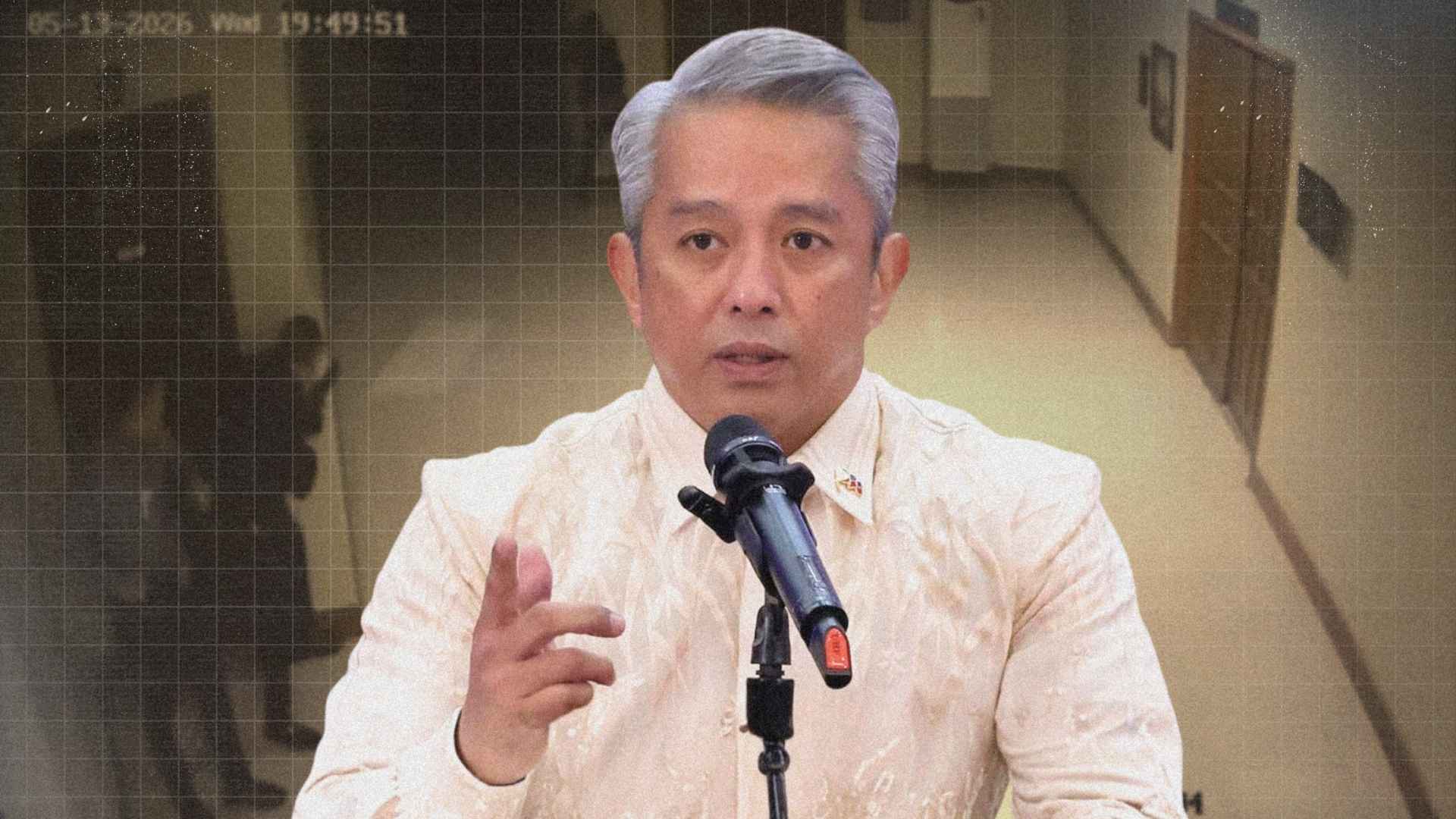
Habang patuloy ang tensyon sa pambansang pulitika, isang bagong pahayag mula sa gobyerno ang muling pinag-uusapan online matapos sabihin ni Interior Secretary Jonvic Remulla na walang katotohanan ang ulat tungkol sa umano’y “Senate siege” noong Mayo 13.
Ayon sa kalihim, matapos ang anim na araw ng imbestigasyon, pagsusuri ng video footage, testimonya, at affidavits, malinaw umanong walang naganap na pagsugod o anumang uri ng karahasan sa Senado.
Sa unang tingin, tila simpleng paglilinaw lamang ito.
Pero sa social media, hindi iyon ang naging reaksyon ng marami.
Sa panahon ngayon, hindi sapat minsan ang official statement para agad mapawi ang duda ng publiko.
Lalo na kapag:
may kumalat nang videos,
magkakaibang narratives ang lumabas,
at mataas na ang emosyon ng mga tao dahil sa political tension.
May ilan ang nagsasabing mabuti raw na nilinaw agad ng gobyerno ang issue upang maiwasan ang panic at misinformation.
Pero mayroon ding nagtatanong:
Kung walang “siege,” bakit naging ganun kainit ang usapan online?
At dito pumapasok ang mas malaking problema:
sa digital age, perception can move faster than verified facts.
Sa social media ecosystem ngayon, isang clip lang, isang headline, o isang emotional caption—
puwedeng magmukhang mas totoo kaysa opisyal na ulat.
At kapag politika ang usapan, mas mabilis lumala ang mistrust.
Ito ang dahilan kung bakit maraming Pilipino ang hirap nang malaman:
alin ang tunay na impormasyon,
alin ang propaganda,
at alin ang emotional amplification lang online.
Ang mas nakakaalarma rito:
kapag nasanay ang publiko na agad maniwala sa viral narratives bago sa kumpletong imbestigasyon, nawawala ang disiplina ng due process at fact-checking.
Ang issue ngayon ay hindi lang tungkol sa kung may “Senate siege” ba o wala.
Mas malaki rito ang tanong:
May tiwala pa ba ang publiko sa institutions?
Dahil kahit maglabas ng official findings ang gobyerno, kung mababa na ang trust level ng tao, mananatiling hati ang pananaw ng publiko.
At sa gitna ng political polarization, bawat issue ay nagiging battle of narratives.
Hindi lang ito legal o security concern.
Isa na rin itong information war.
Kapag ang bawat national issue ay agad nagiging viral conflict online, mas lumalalim ang political division ng bansa.
At sa dulo, ordinaryong Pilipino rin ang napapagod.
Habang ang mga lider ay abala sa pagpapaliwanag, pagtatanggol, o pagkontra sa narratives, marami pa ring Pilipino ang naghihintay ng:
mas murang bilihin,
mas maayos na serbisyo,
at mas tahimik na gobyerno.
Kaya para sa ilan, ang mas mahalagang tanong ngayon ay hindi:
“Sino ang panalo sa narrative?”
Kundi:
“May natitira pa bang national unity pagkatapos ng lahat ng ito?”
“For God is not the author of confusion, but of peace…” — 1 Corinthians 14:33 (KJV)
Sa panahon ng ingay, mabilis na impormasyon, at magkakasalungat na narratives, mahalagang tandaan na ang katotohanan ay hindi dapat dinadaan sa hysteria o panic.
Ang confusion ay madalas ginagamit upang hatiin ang tao.
Pero ang wisdom ay nakikita sa maingat na pagsusuri, katahimikan, at paghahanap ng buong katotohanan bago humusga.
Hindi lahat ng viral ay verified.
Hindi lahat ng maingay ay tama.
December 12, 2025•1 min read
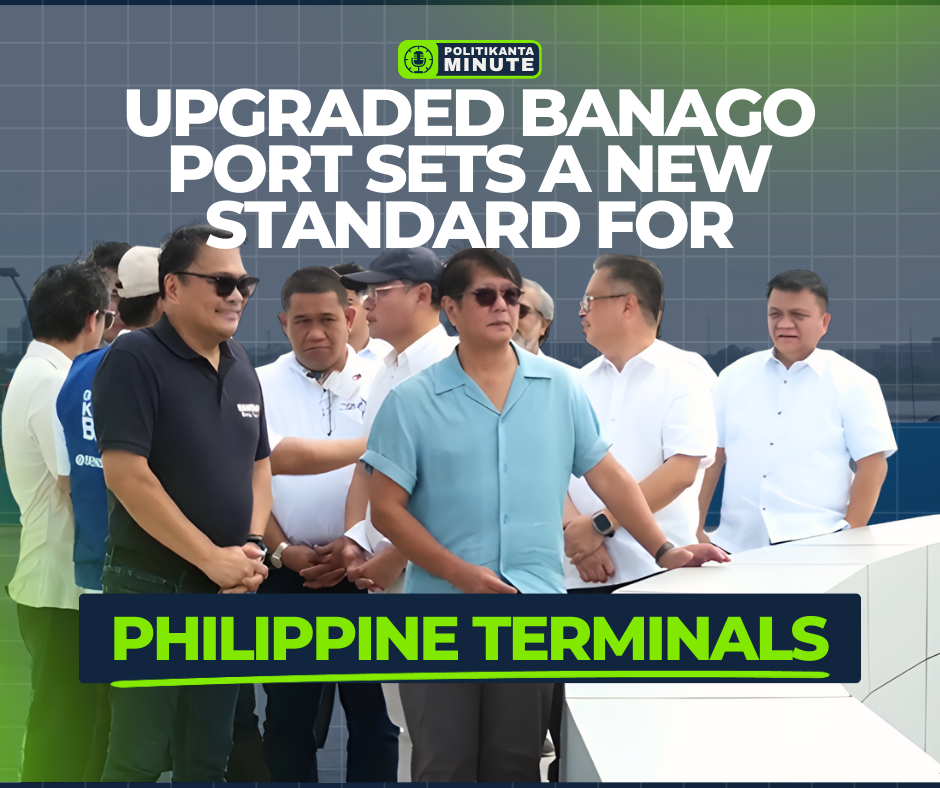
President Ferdinand “Bongbong” Marcos Jr. has declared the newly upgraded Banago Port in Bacolod City as the model for port terminal design across the Philippines—marking a clear push toward modernization, efficiency, and passenger-centered infrastructure.
During his inspection, the President emphasized that ports should no longer be confusing, congested, or unsafe. Instead, terminals must clearly guide passengers—from ticketing to boarding—while ensuring smooth cargo operations and safer working conditions for port personnel.
The upgraded Banago Port now features a modern Port Operations Building (POB), expanded operational areas, a widened causeway for improved traffic flow, and a covered passenger walkway designed to protect commuters from harsh weather. These upgrades are expected to significantly boost trade, tourism, and regional economic productivity in Western Visayas.
Beyond Bacolod, the President’s message was clear: infrastructure must work for people, not against them. A standardized port design allows travelers—especially those from the provinces—to move efficiently and with dignity, reducing confusion and delays that have long plagued transport hubs.
Marcos also inspected facilities at the National Maritime Polytechnic (NMP) in Tacloban City, where upgraded simulators and training equipment are set to raise the standards of Filipino seafarer education beginning 2026. This signals a parallel investment in human capital, ensuring that infrastructure development goes hand-in-hand with skills training.
In a country dependent on maritime transport, modern ports are not luxuries—they are necessities. The Banago Port upgrade represents a shift toward functional governance, where infrastructure directly supports economic mobility, safety, and national growth.





Disclaimer: This site uses publicly available images and materials for news, satire, and commentary. All rights belong to their respective owners. No copyright infringement intended.
© 2025 Politikanta Minute. All Rights Reserved.
Political Commentary • Satire • Faith-Based Reflection
Some visuals may be AI-generated for satire and illustration. Not real footage unless stated.