
Support Politikanta Minute
Your support keeps independent commentary alive.
☕ Buy us a coffee and keep the conversation going
Latest Videos
Curated Politikanta Minute playlists by focused political topic.
SENATE Issues
Latest SENATE-related updates, reactions, political tension, hearing clips, and issue breakdowns.
Watch MoreDuterte Legacy Playlist
BBM Playlist
House of Representatives Scandals Playlist
18 Marines Playlist
Global Entertainment Playlist
Global News Playlist
Bible Scripture Playlist
Breaking News Playlist
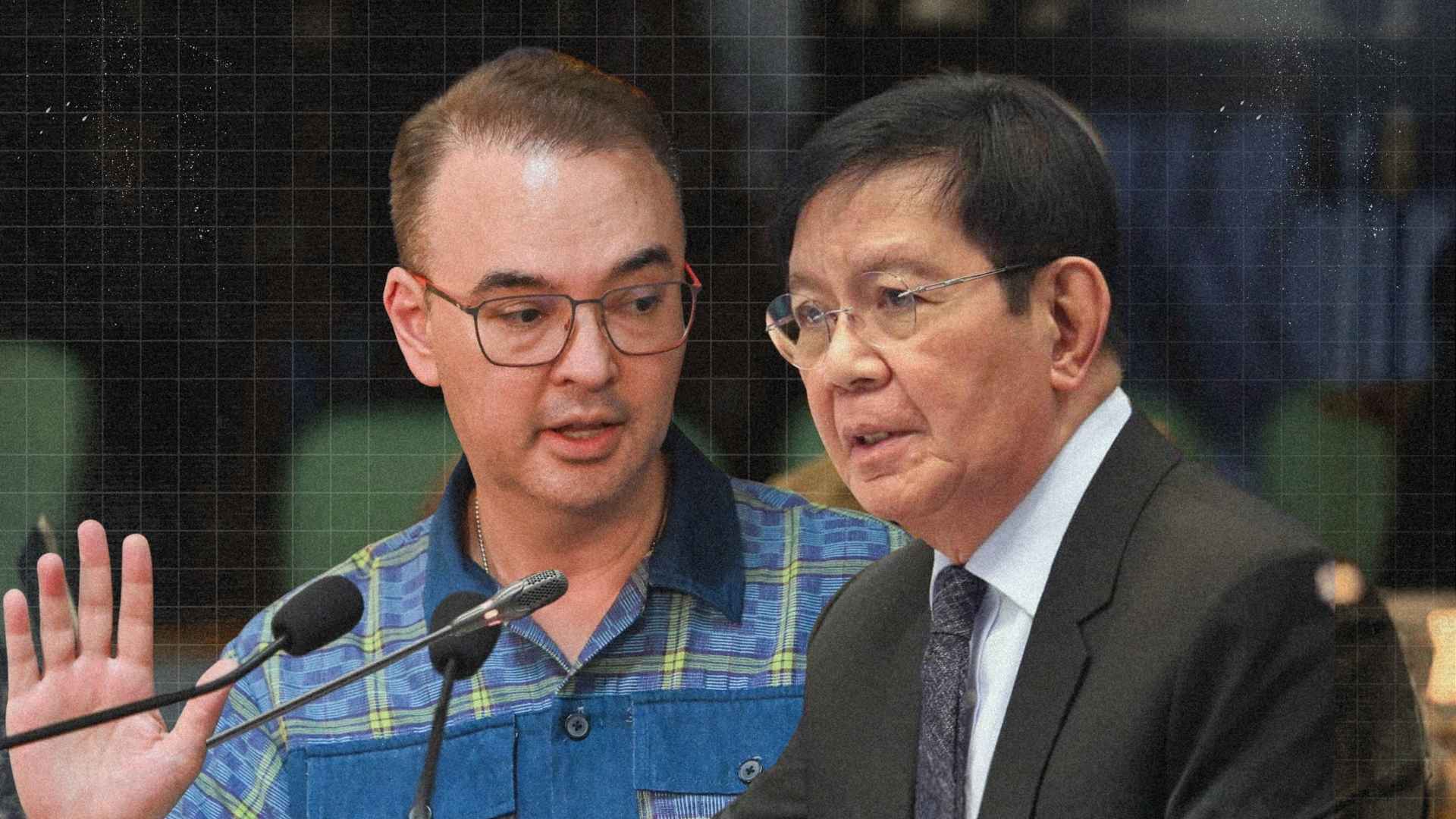
“‘Nag-Leave and Delete Na Ako’”
“‘Nag-Leave and Delete Na Ako’” — Ping Lacson Reveals Deep Senate Divide After Leadership Coup
Hindi simpleng group chat drama ang naging dating sa publiko.
Ito ang naging reaksiyon ng maraming netizens matapos aminin ni Senador Panfilo Lacson na tuluyan na siyang “nag-leave and delete” sa Senate group chat matapos ang kontrobersyal na leadership change noong Mayo 11.
At para sa maraming political observers, ang simpleng pag-alis sa GC ay simbolo ng mas malalim na problema ngayon sa Senado:
pagkakahati, pagkawala ng tiwala, at lumalalim na power struggle sa loob ng isa sa pinakamahalagang institusyon ng bansa.
Sa isang panayam, sinabi ni Lacson na agad siyang umalis sa “20th Congress” group chat matapos mabuwag ang kanilang dating bloc dahil sa leadership reorganization.
“In the first place na nagpalit ng liderato sa Senado, nag-leave and delete na ako roon sa 20th Congress na chat group.”
Agad itong nag-trending online.
Hindi lang dahil relatable ang “leave and delete” culture sa social media generation —
kundi dahil para sa marami, malinaw itong indikasyon na seryoso na ang hidwaan sa loob ng Senado.
At lalong naging sensitive ang issue dahil kasabay nito ang:
Senate leadership instability,
majority vs minority tensions,
at ang napaulat na putukan at tensyon sa Senado noong Mayo 13 na kinasangkutan umano ng Office of the Sergeant-at-Arms (OSAA) at mga pinaniniwalaang tauhan ng National Bureau of Investigation o NBI.
Dito naging mas emotional ang usapan.
Aminado rin si Lacson na isa siya sa mga hindi nangumusta sa mga miyembro ng bagong majority bloc matapos ang insidente.
At nang tanungin kung bakit, diretsahan ang kanyang sagot.
Ayon sa kanya, nadismaya siya sa naging kilos at pahayag umano ng ilan sa kabilang kampo, lalo na nang may mga nagsaya, nagkape, at nag-Facebook Live habang may mga alegasyong ibinabato laban sa minority bloc kaugnay ng nangyaring tensyon sa Senado.
Ito ang bahagi na tumama nang husto online.
Dahil para sa maraming Pilipino, hindi na simpleng policy disagreement ang nangyayari sa Senado.
Personal na.
Emosyonal na.
At para sa ilan, parang permanenteng political war na.
Kasabay nito, naging emosyonal din si Pia Cayetano matapos niyang sabihin na tila walang nangumusta mula sa minority bloc sa mga senador na naiwan sa Senado sa gitna ng tensyon.
At dito lalong lumabas sa publiko kung gaano kalalim na ang division sa loob ng chamber.
Pero narito ang mas malaking issue.
Hindi na lamang personalities ang pinag-uusapan dito.
Ang Senate conflict ngayon ay nakikita na ng publiko bilang bahagi ng mas malawak na political instability sa bansa kasabay ng:
flood control controversies,
ICC-related narratives,
18 Marines issue,
budget anomaly allegations,
institutional distrust,
at lumalalim na Marcos vs Duterte political divide.
Kaya bawat kilos sa Senado ngayon —
kahit simpleng pag-leave sa GC —
nagiging politically symbolic.
Ito rin ang dahilan kung bakit mabilis nag-viral ang “leave and delete” statement ni Lacson.
Dahil para sa ordinaryong Pilipino, ang Senado dapat ang simbolo ng:
stability,
maturity,
institutional balance,
at national leadership.
Pero kapag pati komunikasyon sa loob ng Senado tila tuluyan nang nababasag, natural na nagtatanong ang publiko:
May unity pa ba?
May trust pa ba?
At sino ba talaga ang may kontrol sa political direction ng bansa?
At habang papalapit ang 2028 elections, mas nagiging malinaw na:
hindi pa tapos ang positioning war sa loob ng national politics.
Why this matters?
Dahil kapag ang mga pangunahing institutions ng bansa ay nagsisimulang makita ng publiko bilang sobrang divided at unstable, mas humihina rin ang confidence ng tao sa governance itself.
At sa panahon ngayon, trust may be the most valuable political currency left.
Exegesis Bible Verse
Psalm 133:1
“Behold, how good and how pleasant it is for brethren to dwell together in unity!”
Reflection
This verse reminds leaders and citizens alike that unity, wisdom, and humility are essential in times of division and conflict. Political disagreement may be unavoidable in democracy, but when trust and communication completely break down, institutions themselves become weakened.
Hontiveros, Akbayan Push Major Changes to Party-List Law
January 13, 2026•1 min read
A fresh push to reform the Philippines’ party-list system is back on the Senate floor, with Risa Hontiveros and the Akbayan party-list proposing major amendments to the Party-List Law.

The proposal aims to tighten eligibility rules and clarify who truly qualifies as “marginalized,” responding to long-standing criticism that the system has drifted from its original purpose. Designed to give underrepresented sectors a voice in Congress, the party-list mechanism has, over the years, been accused of being used by well-connected groups with access to funding and political machinery.
Hontiveros and Akbayan argue that reform is necessary to restore credibility and fairness. Among the ideas floated are stricter screening of nominees, clearer sectoral definitions, and safeguards to prevent political dynasties or proxies from entering through the party-list route. Supporters say these changes would strengthen representation and public trust.
The proposal also revives a familiar debate: reform versus restriction. While advocates frame the amendments as corrective, critics caution that overly narrow definitions could unintentionally exclude legitimate grassroots groups. The challenge, lawmakers say, is striking a balance between preventing abuse and preserving broad participation.
As deliberations move forward, the discussion highlights a deeper question facing the legislature: whether the party-list system can still function as a tool for inclusion—or whether reform is now essential to keep it aligned with its founding intent.
Quiet takeaway: When representation drifts from purpose, reform becomes a matter of restoring trust—not rewriting history.




More Senate Stories
FOLLOW US


Disclaimer: This site uses publicly available images and materials for news, satire, and commentary. All rights belong to their respective owners. No copyright infringement intended.
© 2025 Politikanta Minute. All Rights Reserved.
Political Commentary • Satire • Faith-Based Reflection
Some visuals may be AI-generated for satire and illustration. Not real footage unless stated.