
Support Politikanta Minute
Your support keeps independent commentary alive.
☕ Buy us a coffee and keep the conversation going
Latest Videos
Curated Politikanta Minute playlists by focused political topic.
BBM Issues
Latest BBM-related updates, reactions, political tension, hearing clips, and issue breakdowns.
Watch MoreDuterte Legacy Playlist
Senate Circus Playlist
House of Representatives Scandals Playlist
18 Marines Playlist
Global Entertainment Playlist
Global News Playlist
Bible Scripture Playlist
Breaking News Playlist
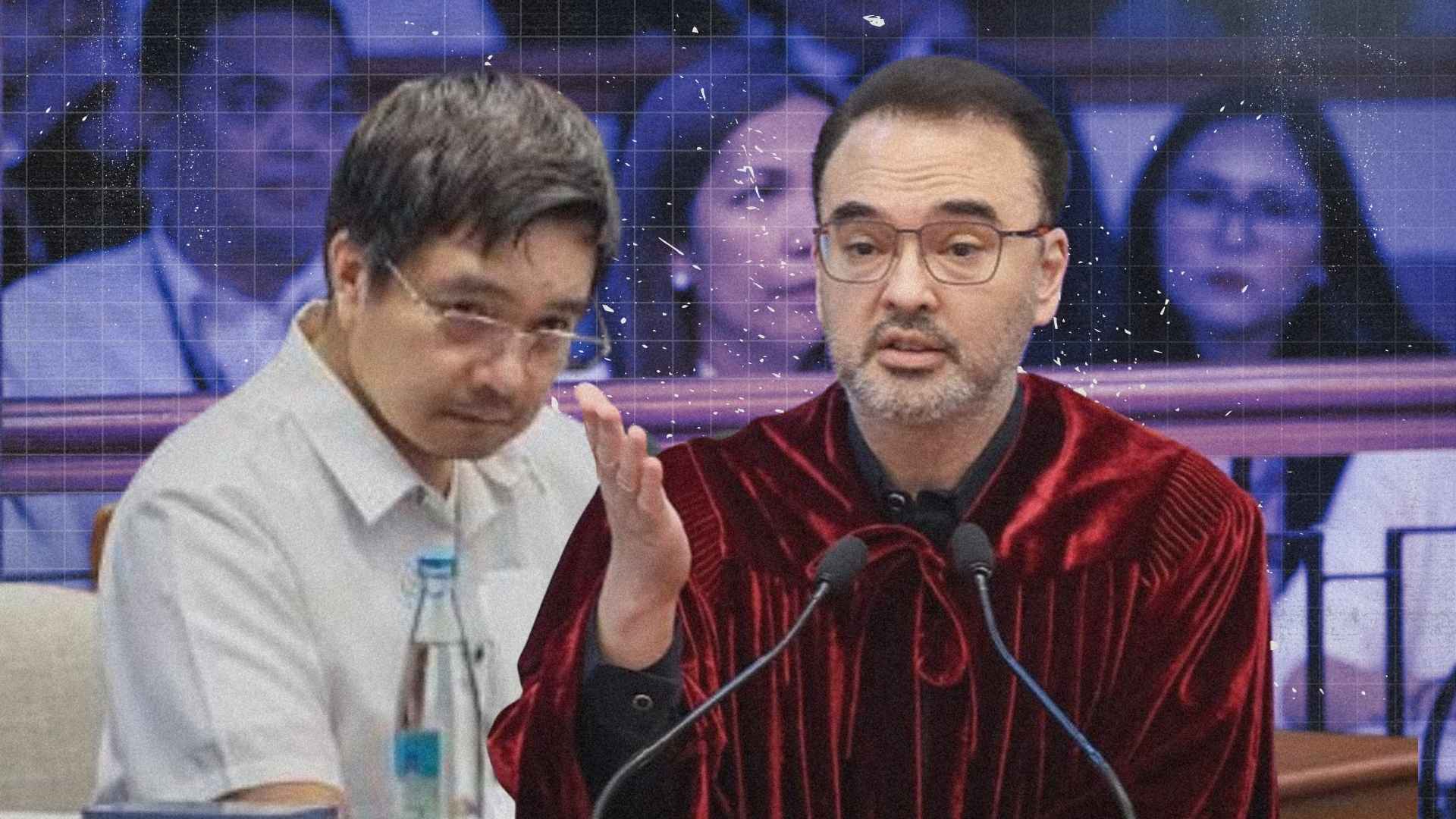
Alan Cayetano Questions NBI's Grave Threat Theory During VP Sara Duterte Impeachment Trial
Cayetano Challenges NBI's Grave Threat Interpretation
A key exchange unfolded during the impeachment trial of Vice President Sara Duterte as Senator-judge Alan Cayetano questioned the legal reasoning behind the National Bureau of Investigation's conclusion that Duterte's statement could constitute a grave threat.
During the July 14 proceedings, Cayetano focused on whether the alleged victims of the statement would reasonably feel threatened under the circumstances described by the Vice President.
"Why Would They Feel Threatened?"
Cayetano asked NBI BARMM Regional Director Jeremy Lotoc whether investigators considered the context of Duterte's statement.
According to the senator, the Vice President's statement was conditional—that harm against the presidential family would allegedly occur only if something first happened to her.
He asked:
"If they had no plan to kill her, why would they feel threatened?"
Cayetano suggested that this question should have formed part of the investigators' analysis when evaluating whether the legal elements of grave threats were present.
NBI Explains Its Position
Lotoc defended the bureau's findings.
According to the NBI official, even if the alleged targets were not responsible for any hypothetical harm against Duterte, her public statement could still trigger violence against them should something happen to her.
He explained that investigators believed the statement was capable of creating fear because it referred to possible future harm against specific individuals.
Lotoc further testified that, based on the bureau's assessment, the elements required under the law for a grave threat were present.
Defense and Prosecution Continue to Differ
The exchange highlighted one of the central disputes in the impeachment proceedings.
The defense has consistently argued that Duterte's remarks should be understood within the context in which they were made, while the prosecution maintains that the statements themselves may constitute evidence supporting the allegations presented before the Senate Impeachment Court.
The issue remains part of the ongoing presentation and evaluation of evidence before the senator-judges.
Reportorial Commentary
Cayetano's questioning reflects a legal argument about how threats should be interpreted under criminal law, particularly whether context and conditional language affect the existence of criminal liability. On the other hand, the NBI's position emphasizes the potential effect of publicly expressing harm toward specifically identified individuals, regardless of whether the stated condition ultimately occurs.
The impeachment court has not ruled on the legal significance of this exchange. It forms part of the evidence and testimony that senator-judges will evaluate together with the rest of the record before reaching any conclusions.
Bible Verse & Reflection
"The one who states his case first seems right, until the other comes and examines him." — Proverbs 18:17 (ESV)
Reflection
Justice is strengthened when evidence and reasoning are carefully tested from different perspectives. Thoughtful questioning is part of due process, helping decision-makers examine both the facts and the legal arguments before reaching a fair and informed judgment.
🚨 Political Watch | ‘INDAY AKO EH!’ — Padilla Backs Senate Leader Who Supports VP Sara Duterte
February 03, 2026•1 min read
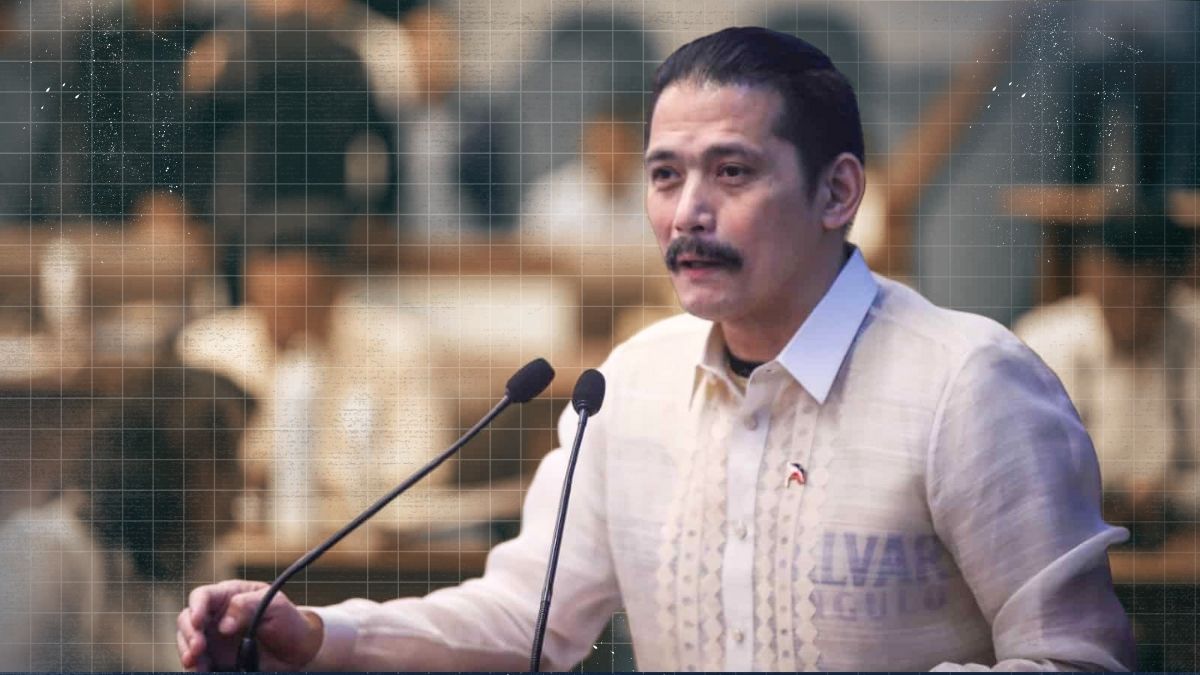
Padilla Openly Says He Wants a Senate President Aligned With Sara Duterte
Senator Robin Padilla made a blunt declaration on who he believes should lead the Senate, saying that if he were to choose, the Senate president should be someone who supports Vice President Sara Duterte.
In a viral clip circulating on social media, Padilla explained his position with a personal tone, using the line “Inday ako eh,” a phrase widely understood as an expression of loyalty to Duterte. The remark removes ambiguity from his stance, clearly tying Senate leadership preference to political alignment rather than neutrality.
The statement comes amid heightened political tension following impeachment discussions and leadership speculation within the upper chamber. While Padilla does not currently hold the numbers to decide Senate leadership on his own, his comment adds to an emerging pattern of senators publicly signaling where they stand should leadership questions arise.
Under Senate rules, the Senate president is elected by a majority of senators, and leadership changes can only happen through formal motions and votes on the floor. Padilla’s statement, therefore, reflects political positioning, not an imminent shift.
Observers note that such candid remarks underscore how loyalty and alliances increasingly shape internal Senate dynamics—especially when impeachment, trial scenarios, and institutional credibility are part of the conversation.
Quiet takeaway: In moments of political stress, neutrality gives way to loyalty—and leaders are judged by where they stand.



More BBM Stories
FOLLOW US


Disclaimer: This site uses publicly available images and materials for news, satire, and commentary. All rights belong to their respective owners. No copyright infringement intended.
© 2025 Politikanta Minute. All Rights Reserved.
Political Commentary • Satire • Faith-Based Reflection
Some visuals may be AI-generated for satire and illustration. Not real footage unless stated.
FOLLOW US
Disclaimer: This site uses publicly available images and materials for news, satire, and commentary. All rights belong to their respective owners. No copyright infringement intended.
© 2025 Politikanta Minute. All Rights Reserved.
Political Commentary • Satire • Faith-Based Reflection
Some visuals may be AI-generated for satire and illustration. Not real footage unless stated.
FOLLOW US
Disclaimer: This site uses publicly available images and materials for news, satire, and commentary. All rights belong to their respective owners. No copyright infringement intended.
© 2025 Politikanta Minute. All Rights Reserved.
Powered by Graprix Design and Prints.
Political Commentary • Satire • News • Faith & Devotion