
Support Politikanta Minute
Your support keeps independent commentary alive.
☕ Buy us a coffee and keep the conversation going
Latest Videos
Curated Politikanta Minute playlists by focused political topic.
BBM Issues
Latest BBM-related updates, reactions, political tension, hearing clips, and issue breakdowns.
Watch MoreDuterte Legacy Playlist
Senate Circus Playlist
House of Representatives Scandals Playlist
18 Marines Playlist
Global Entertainment Playlist
Global News Playlist
Bible Scripture Playlist
Breaking News Playlist
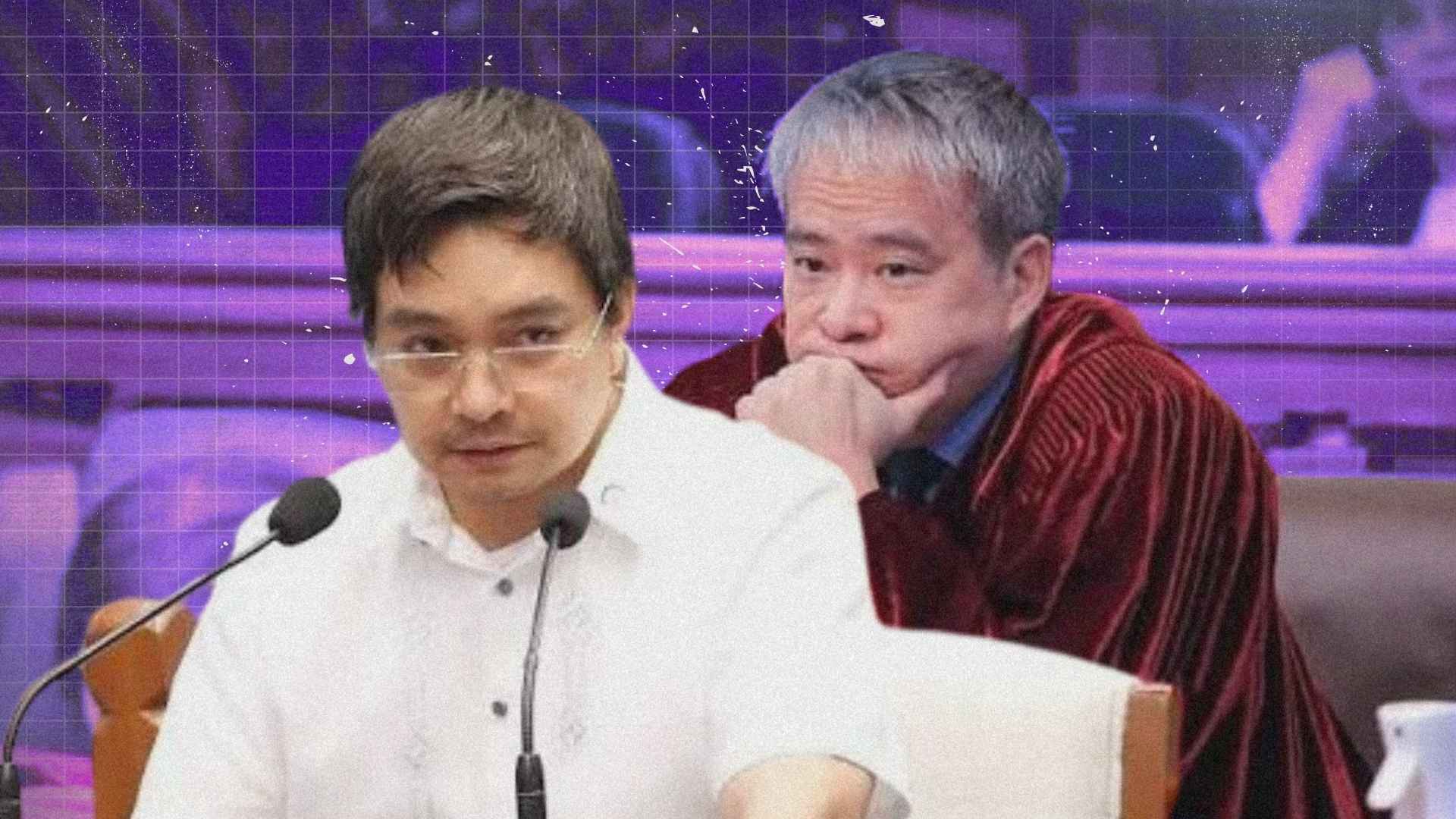
Joel Villanueva Questions NBI on Difference Between Threat Investigations Involving VP Sara and President Marcos
Villanueva Questions NBI Over Different Treatment of Two Investigations
A notable exchange took place during the impeachment trial of Vice President Sara Duterte after Senator-judge Joel Villanueva questioned the National Bureau of Investigation (NBI) regarding what he viewed as differing approaches in two separate investigations involving alleged threats.
Villanueva pointed out that the NBI continued investigating alleged threats against President Ferdinand Marcos Jr. even without the President personally appearing before investigators, while the bureau did not pursue an investigation into the Vice President's claim that her own life was allegedly under threat after she failed to appear despite receiving a subpoena.
"The President Didn't Go to You Either"
During his questioning, Villanueva asked why the two situations appeared to be treated differently.
He observed that President Marcos did not personally appear before the NBI during its investigation, yet the inquiry proceeded.
Villanueva then asked why the bureau did not similarly continue investigating the alleged threats against Vice President Duterte after she did not appear before investigators.
The senator sought clarification on whether the differing approaches reflected different investigative standards.
NBI Explains the Difference
NBI BARMM Regional Director Jeremy Lotoc responded that the bureau viewed the two matters as fundamentally different.
According to Lotoc, the investigation involving President Marcos stemmed from public statements allegedly made by Vice President Duterte herself.
He added that investigators had no independent information indicating that another person had publicly threatened the Vice President's life.
Because of this distinction, the NBI maintained that the circumstances surrounding the two investigations were not comparable.
Issue Becomes Part of Cross-Examination
The exchange formed part of the broader effort by senator-judges to examine how the NBI conducted its investigation and whether its procedures were applied consistently.
Questions regarding investigative decisions, evidentiary standards, and legal interpretation continue to be explored as both the prosecution and defense present their respective cases before the Senate Impeachment Court.
Reportorial Commentary
The discussion between Senator Joel Villanueva and NBI official Jeremy Lotoc illustrates how impeachment proceedings often extend beyond factual allegations to include scrutiny of investigative methods. Questions about consistency in law enforcement practices may influence how witnesses' testimony is evaluated, although they do not by themselves determine the legal merits of the impeachment case.
Ultimately, the senator-judges will assess the totality of the evidence and testimony presented before reaching any decision on the articles of impeachment.
Bible Verse & Reflection
"Do not show partiality in judging; hear both small and great alike." — Deuteronomy 1:17 (NIV)
Reflection
Fairness in any justice system depends on applying principles consistently while carefully considering the unique facts of each case. Equal treatment under the law strengthens public confidence, while transparent explanations for differing decisions help preserve trust in legal institutions.
🚨 Political Watch | From “Get Out” to “Tone It Down” — When the Record Calls You Back
February 05, 2026•2 min read
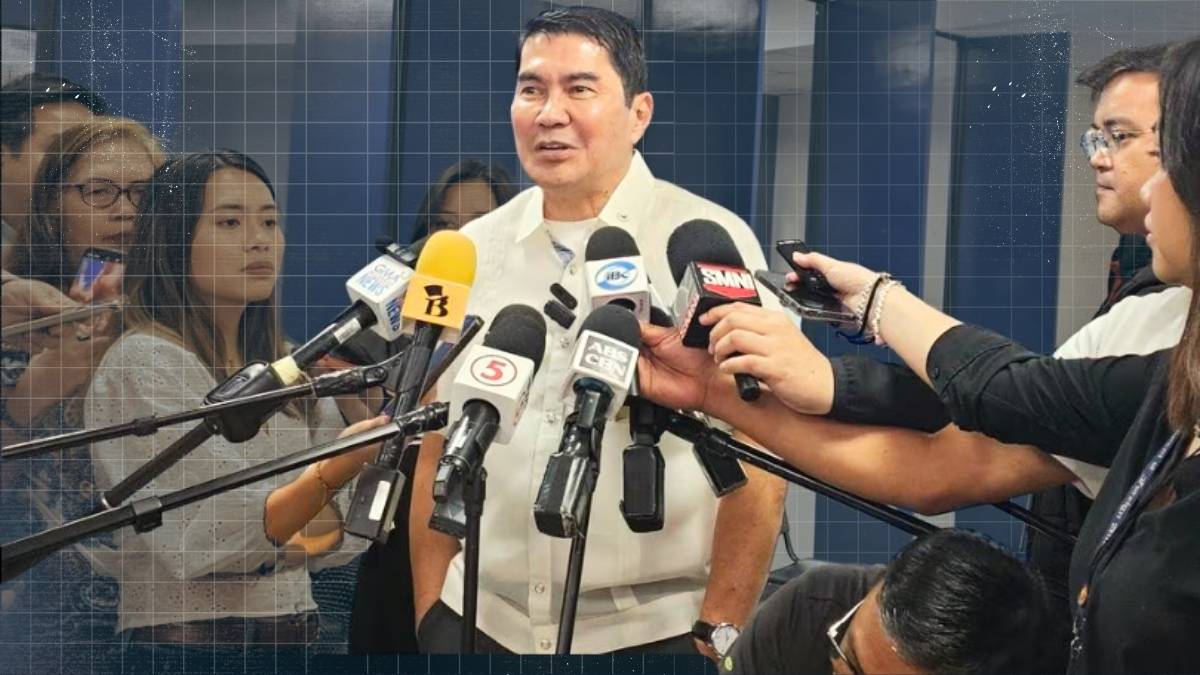
When Your Own Words Become the Opposition
In politics, the loudest contradiction isn’t shouted by critics—it’s echoed by your own past statements.
Just days after fiery remarks that sounded less like diplomacy and more like street-level bravado, Erwin Tulfo is now calling on fellow lawmakers to “tone down personal attacks” against Chinese officials amid Code of Conduct (COC) talks.
On its face, the appeal sounds responsible. Measured. Statesmanlike.
But the internet never forgets.
Because preserved on video—circulating widely across social platforms—is a Senate speech where the same official thundered:
“If you do not like how democracy works in this country, then you are free to leave the Philippines—get the f** out.”*
That isn’t a paraphrase. That’s a record.
And this is where the issue sharpens—not about China, not about foreign policy alone, but about credibility.
Diplomacy Is Not a Volume Knob You Adjust After the Applause
Diplomacy operates on consistency. Words uttered from the Senate floor don’t evaporate after the claps fade. They linger—especially when spoken by someone now chairing foreign affairs discussions.
When a lawmaker moves from incendiary rhetoric to calls for restraint, the public is entitled to ask:
Was the earlier outburst strategic—or impulsive?
Was the later call for calm principled—or damage control?
And which version should foreign counterparts believe?
You cannot credibly demand moderation from others while your own words remain unaccounted for.
The Cost of “Soundbite Sovereignty”
National pride is not measured in decibel levels. Shouting “get out” may play well in a viral clip, but geopolitics doesn’t reward applause—it exacts consequences.
Foreign policy isn’t about who sounds toughest on camera. It’s about protecting:
Overseas Filipino Workers
Export industries
Tourism flows
Supply chains
Strategic negotiations already hanging by a thread
A sudden pivot from confrontation to conciliation, without acknowledgment or accountability, doesn’t project strength. It projects instability.
And instability is something neither allies nor adversaries ignore.
Democracy Includes Speech—Even the Speech You Dislike
Here’s the deeper irony.
A speech that invokes democracy to justify telling people to leave the country collides head-on with democratic principle itself. Democracy protects dissent. It tolerates criticism. It absorbs discomfort.
Telling people to “get out” because they disagree with how democracy works is not democratic confidence—it’s democratic insecurity.
When that same voice later urges restraint, the message collapses under its own weight.
Leadership Requires Owning the Record
This isn’t about canceling anyone. It’s about owning the microphone.
True leadership doesn’t pretend yesterday didn’t happen. It confronts it head-on:
“I spoke in anger.”
“I crossed a line.”
“Here is why I am choosing a different tone now.”
That kind of accountability strengthens institutions. Silence weakens them.
Because the Record Is Permanent
In the age of clips, screenshots, and archived streams, political memory is no longer selective. The public doesn’t rely on recollection—it relies on replay.
And when yesterday’s words directly contradict today’s position, the issue isn’t spin. It’s trust.
You can’t ask others to “tone it down” while your own volume is still echoing.



More BBM Stories
FOLLOW US


Disclaimer: This site uses publicly available images and materials for news, satire, and commentary. All rights belong to their respective owners. No copyright infringement intended.
© 2025 Politikanta Minute. All Rights Reserved.
Political Commentary • Satire • Faith-Based Reflection
Some visuals may be AI-generated for satire and illustration. Not real footage unless stated.
FOLLOW US
Disclaimer: This site uses publicly available images and materials for news, satire, and commentary. All rights belong to their respective owners. No copyright infringement intended.
© 2025 Politikanta Minute. All Rights Reserved.
Political Commentary • Satire • Faith-Based Reflection
Some visuals may be AI-generated for satire and illustration. Not real footage unless stated.
FOLLOW US
Disclaimer: This site uses publicly available images and materials for news, satire, and commentary. All rights belong to their respective owners. No copyright infringement intended.
© 2025 Politikanta Minute. All Rights Reserved.
Powered by Graprix Design and Prints.
Political Commentary • Satire • News • Faith & Devotion