
Support Politikanta Minute
Your support keeps independent commentary alive.
☕ Buy us a coffee and keep the conversation going
Latest Videos
Curated Politikanta Minute playlists by focused political topic.
DUTERTE Issues
Latest DUTERTE-related updates, reactions, political tension, hearing clips, and issue breakdowns.
Watch MoreBBM Legacy Playlist
Senate Circus Playlist
House of Representatives Scandals Playlist
18 Marines Playlist
Global Entertainment Playlist
Global News Playlist
Bible Scripture Playlist
Breaking News Playlist
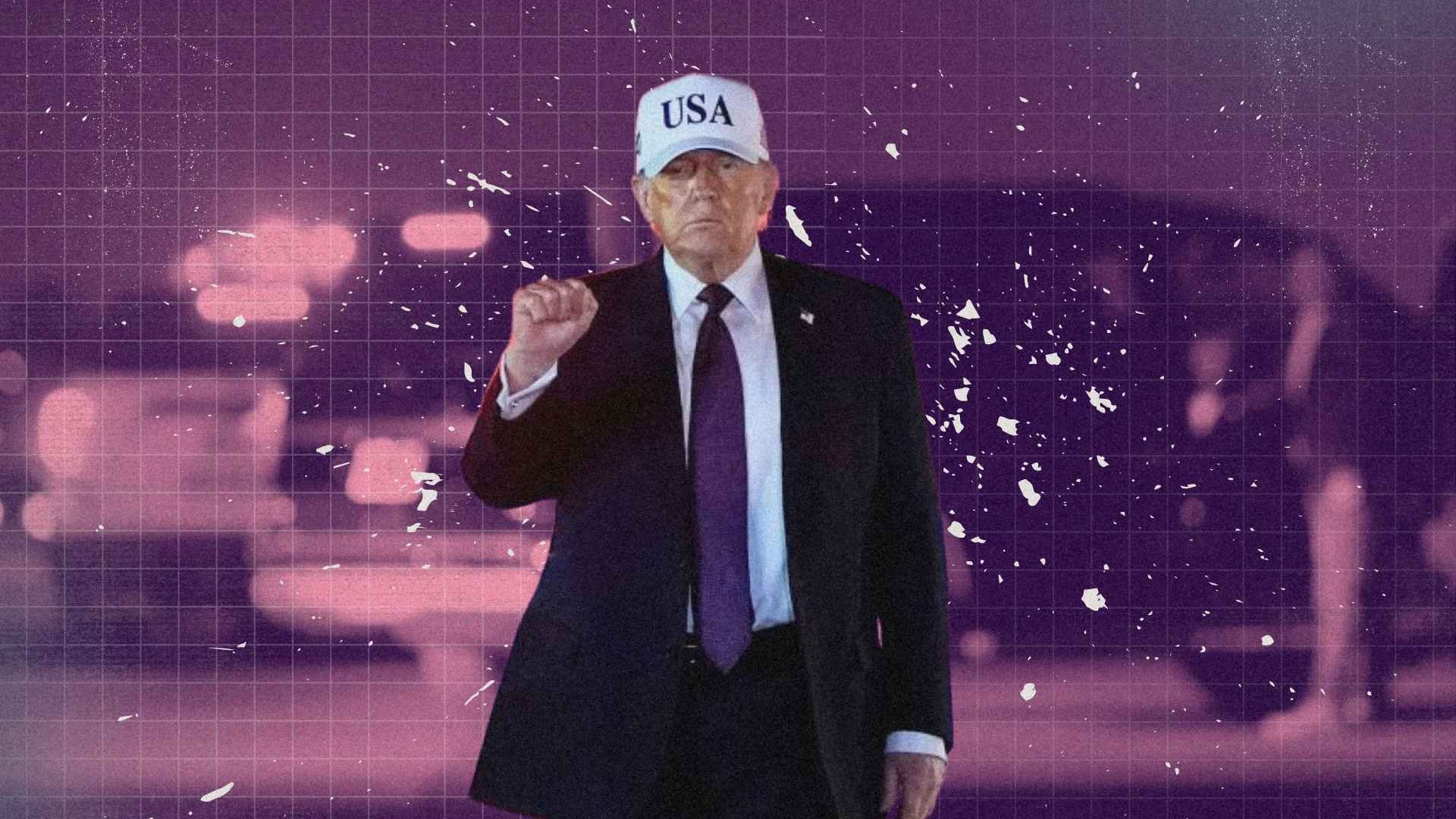
Report Claims U.S. Launches Largest Strikes on Iranian Targets Since Ceasefire
Reports Claim Major U.S. Military Operation Against Iranian Targets
Fresh reports circulating online claim that the United States launched a significantly larger round of military strikes against Iranian targets, marking what has been described as the biggest operation since the recent ceasefire in the region.
According to the report, a U.S. official told Axios that the latest operation was four to five times larger than the previous round of strikes conducted roughly ten days earlier around the Strait of Hormuz.
The reported targets allegedly included a wide range of Iranian military assets, including:
Air defense systems
Coastal surveillance facilities
Surface-to-air missile batteries
Anti-ship cruise missile sites
Drone launch facilities
Port infrastructure
Reports also claimed that explosions were heard in several strategic locations, including Bandar Abbas, Sirik, and Qeshm Island, areas that play an important role in Iran's military presence near the Strait of Hormuz.
According to the same report, the strikes followed three alleged Iranian attacks on commercial vessels within two days, incidents said to have disrupted the pause in hostilities established after a previous memorandum of understanding.
The report further stated that the U.S. Treasury simultaneously revoked certain waivers related to Iranian oil sales, a move that Tehran reportedly condemned as a violation of prior agreements.
As of this writing, the information remains based on publicly circulated reports, and official statements from both governments may provide additional context or clarification as developments continue.
📌 Reportorial Commentary
If confirmed, the reported scale of the strikes would represent a significant escalation in tensions around one of the world's most strategically important maritime corridors.
The Strait of Hormuz carries a substantial portion of global oil shipments, making any military activity in the region closely watched by governments, financial markets, and the international shipping industry.
Because information often develops rapidly during military conflicts, reports released in the early stages of an incident may later be clarified or updated through official government statements and independent verification. Careful evaluation of multiple credible sources remains important as the situation evolves.
📖 Exegesis Bible Verse
"If possible, so far as it depends on you, live peaceably with all." — Romans 12:18 (ESV)
Context
In Romans 12, Paul encourages believers to pursue peace whenever possible while recognizing that conflicts may still arise in a broken world. The passage calls for restraint, wisdom, and a commitment to justice rather than vengeance.
Applied to international affairs, this verse reminds nations and leaders of the value of diplomacy and measured decision-making. Even amid serious security concerns, the pursuit of peace and the protection of innocent lives remain enduring moral responsibilities.
US Sanctions ICC Judges: When Global Justice Collides with Superpower Politics
December 17, 2025•1 min read
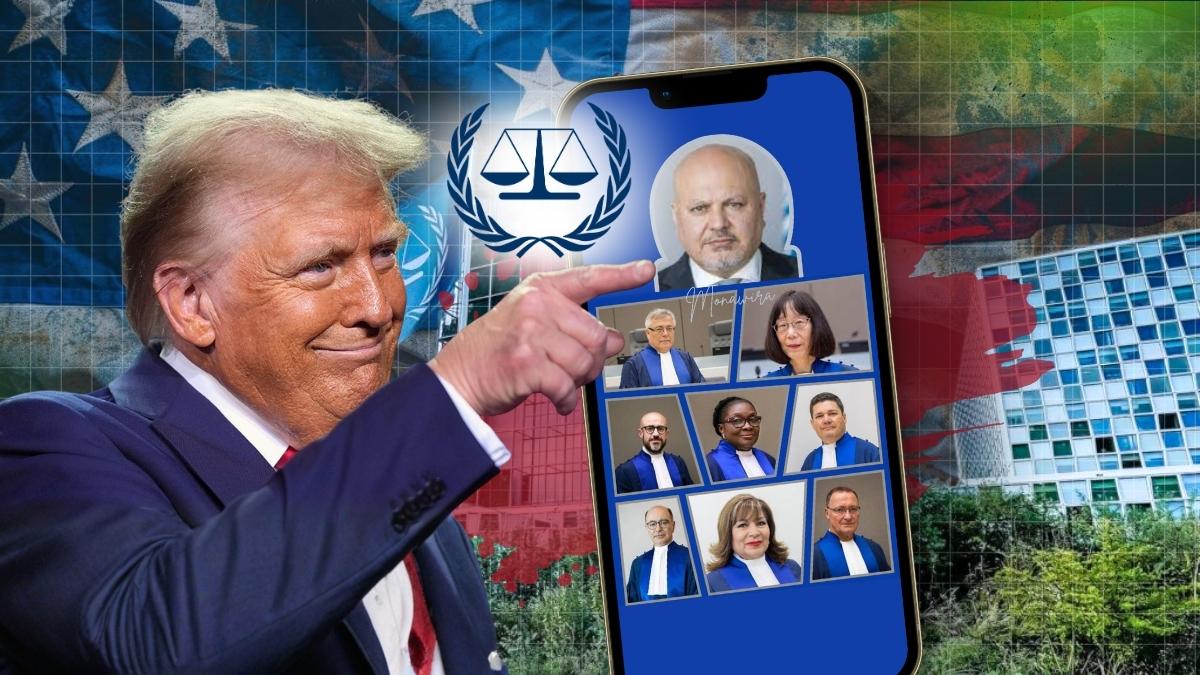
The United States has imposed sanctions on nine officials of the International Criminal Court (ICC), including several judges—an extraordinary move that has reignited debate over sovereignty, accountability, and the limits of international justice.

The sanctions stem from ICC investigations involving U.S. and Israeli officials, a red line Washington has repeatedly warned against. As neither the United States nor Israel is a member of the ICC, American officials argue the court has no jurisdiction over their nationals.
But critics see something deeper.
Sanctions typically target warlords, terrorists, and dictators. This time, they were aimed at judges—legal officers tasked with interpreting international law. Bank restrictions, travel bans, and digital access limitations reportedly affected not just the officials, but their families as well.
The ICC, based in The Hague, was established to prosecute crimes against humanity, genocide, and war crimes—particularly when national courts fail to act. Yet this incident highlights a global reality many quietly acknowledge:

⚖️ Justice without power is fragile.
Power without accountability is dangerous.
Supporters of the sanctions argue this is about defending national sovereignty. Detractors warn it sets a precedent where global law bends under geopolitical pressure.
📖 “Do not pervert justice or show partiality.” — Deuteronomy 16:19
For countries like the Philippines—once entangled with ICC scrutiny—this development sends a loud signal:
international justice exists, but only as far as power allows it to move.
This isn’t just about the ICC.
This is about whether global rules apply equally—or selectively.



More Duterte Legacy Stories
FOLLOW US


Disclaimer: This site uses publicly available images and materials for news, satire, and commentary. All rights belong to their respective owners. No copyright infringement intended.
© 2025 Politikanta Minute. All Rights Reserved.
Political Commentary • Satire • Faith-Based Reflection
Some visuals may be AI-generated for satire and illustration. Not real footage unless stated.
FOLLOW US
Disclaimer: This site uses publicly available images and materials for news, satire, and commentary. All rights belong to their respective owners. No copyright infringement intended.
© 2025 Politikanta Minute. All Rights Reserved.
Political Commentary • Satire • Faith-Based Reflection
Some visuals may be AI-generated for satire and illustration. Not real footage unless stated.