
Support Politikanta Minute
Your support keeps independent commentary alive.
☕ Buy us a coffee and keep the conversation going
Latest Videos
Curated Politikanta Minute playlists by focused political topic.
HOR Issues
Latest HOR-related updates, reactions, political tension, hearing clips, and issue breakdowns.
Watch MoreDuterte Legacy Playlist
Senate Circus Playlist
House of Representatives Scandals Playlist
Celebrity Updates
Sports
🎵 Music
18 Marines Playlist
Global Entertainment Playlist
Global News Playlist
Bible Scripture Playlist
Breaking News Playlist
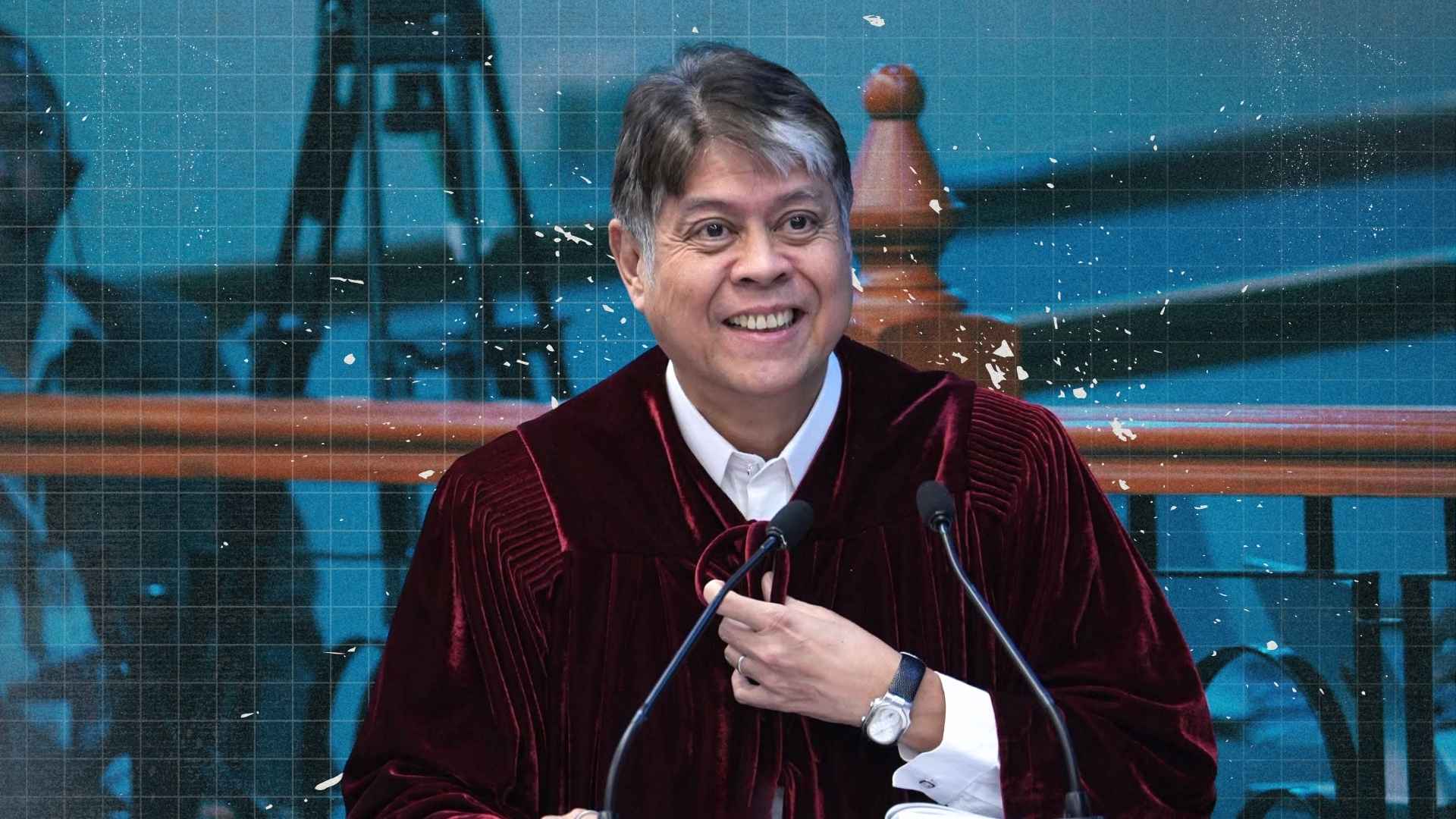
Pangilinan Challenges Cayetano's Reading of Impeachment Rule 6 During Senate Trial
Pangilinan Questions Cayetano's Interpretation of Rule 6
A procedural debate unfolded inside the Senate Impeachment Court after Senator-judge Francis "Kiko" Pangilinan challenged Senator-judge Alan Peter Cayetano's interpretation of Rule 6 of the impeachment rules.
Pangilinan argued that the provision cited by Cayetano applies specifically to matters involving evidence, and should not be extended to privileged speeches or manifestations unrelated to the impeachment case.
The exchange became another example of the ongoing discussions among senator-judges over how the impeachment proceedings should be conducted.
"Rule 6 Refers to Evidence"
During his manifestation, Pangilinan maintained that Rule 6 was intended to govern evidentiary matters presented before the impeachment court.
According to him, it should not be interpreted as authority for senator-judges to raise issues unrelated to the constitutional questions before the court.
He urged his colleagues to avoid stretching the rules beyond their intended purpose.
A Call to Stay Focused
Pangilinan also appealed to fellow senator-judges not to "abuse the liberality of the court."
His statement reflected concerns that repeated manifestations on unrelated matters could consume valuable hearing time and divert attention from the Articles of Impeachment.
According to Pangilinan, the impeachment court should remain focused on hearing evidence, evaluating legal arguments, and resolving the issues directly connected to the complaint.
Escudero's Ruling
Following the exchange, Presiding Officer Francis Escudero ruled that the earlier manifestation made by Senator-judge Robin Padilla would remain part of the official record.
However, Escudero clarified that the issues raised by Padilla would instead be taken up during a regular Senate session, rather than within the impeachment proceedings themselves.
The ruling sought to preserve the court record while recognizing that some matters may be more appropriately discussed by the Senate acting in its legislative capacity.
Procedure Takes Center Stage
As the impeachment trial progresses, procedural questions have become a recurring feature of the proceedings.
Several senator-judges have expressed differing views on how strictly the impeachment rules should be interpreted and how broad the court's discussions should be.
Such debates are distinct from the merits of the impeachment complaint itself and instead concern how the Senate should conduct its constitutional role as an impeachment court.
Conclusion
Senator Francis Pangilinan maintained that Rule 6 should be limited to evidentiary matters and cautioned against using the impeachment court to address issues unrelated to the trial.
Meanwhile, Presiding Officer Francis Escudero ruled that Robin Padilla's manifestation would stay on record, with the substantive matter to be discussed in the Senate proper.
The exchange highlighted the continuing effort to balance procedural flexibility with the need to keep the impeachment proceedings focused on their constitutional purpose.
Bible Reflection (Exegesis)
"Let all things be done decently and in order." — 1 Corinthians 14:40
Paul's instruction emphasizes that orderly procedures help promote fairness, clarity, and understanding. Although originally directed to church gatherings, the principle also reminds public institutions that established rules exist to guide proceedings and maintain confidence in the process. Respecting procedure helps ensure that decisions are based on the issues properly before the body rather than on distractions or unrelated concerns.
🚨 Political Watch | Draft Blue Ribbon Report Tags Martin Romualdez in Flood Control Mess — Lacson
February 10, 2026•3 min read
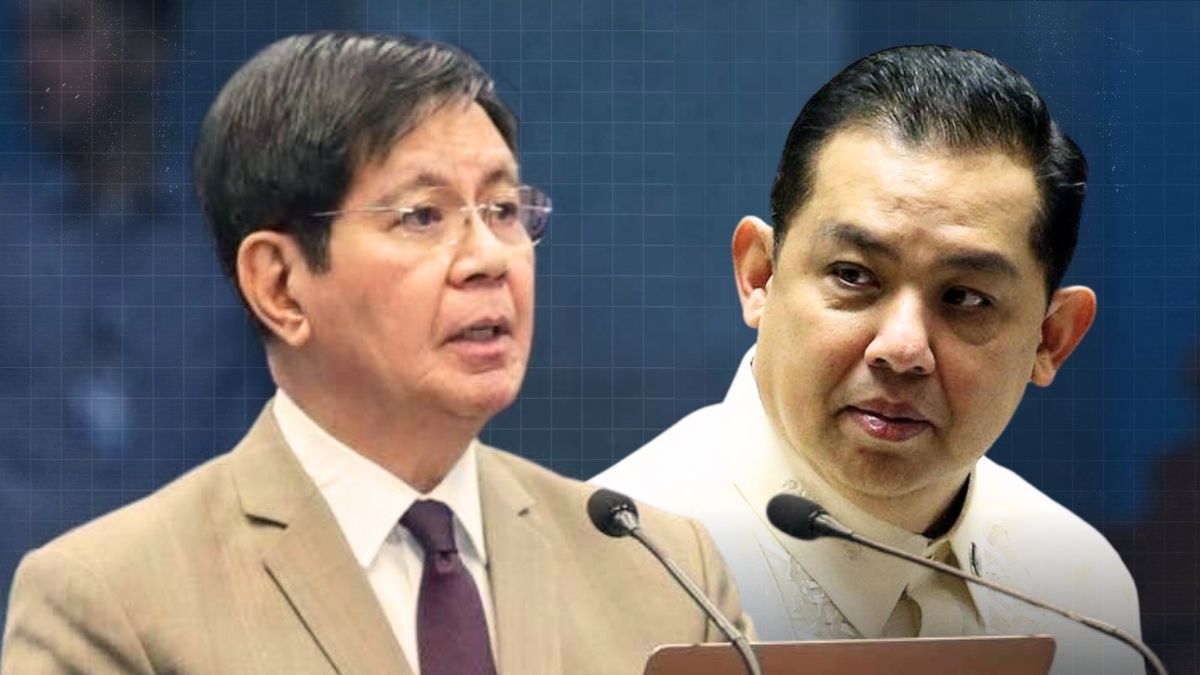
Draft Findings, Not Final Verdicts: What the Blue Ribbon Report Signals
Senate President Pro Tempore Ping Lacson disclosed that a draft report of the Senate Blue Ribbon Committee mentions House Speaker Martin Romualdez in relation to the ongoing investigation into alleged irregularities in flood control projects.
Lacson was careful with his language—and that matters. The report, he emphasized, is still a draft. It has not been adopted, finalized, or approved by the committee. In legislative investigations, drafts are working documents: they compile testimonies, documents, and preliminary findings, but do not carry the force of conclusions.
What Does “Tagged” Mean in a Draft Report?
In committee practice, being “tagged” or mentioned can mean several things:
appearing in testimony or documentary references,
being linked contextually to decisions or allocations under review, or
being identified as someone whose role warrants further clarification.
It does not equate to a finding of guilt. Drafts are revised, portions are struck out, and language is often softened—or strengthened—before adoption.
Lacson’s disclosure, therefore, is about process transparency, not a final accusation.
Context: The Flood Control Investigation
The Blue Ribbon Committee has been examining alleged anomalies in flood control projects—ranging from questionable allocations to so-called “ghost projects.” These inquiries intensified after documents and testimonies suggested discrepancies between approved budgets and on-the-ground implementation.
Flood control spending is politically sensitive because it directly affects public safety. When funds fail to translate into protection against floods, the issue moves from technical oversight to public trust.
Why the Speaker’s Name Draws Attention
Romualdez is one of the most powerful figures in government. Any mention of the House Speaker—draft or otherwise—inevitably amplifies scrutiny. It also raises institutional questions about inter-chamber dynamics, since a Senate committee is investigating matters that intersect with House-approved appropriations.
That dynamic underscores why Lacson stressed restraint: draft findings must be handled with care to avoid prejudging outcomes or politicizing the process.
Due Process Inside the Senate
Before any report becomes official, several steps must occur:
Circulation of the draft to committee members
Review, edits, and objections
Possible withdrawal or modification of signatures
Committee vote to adopt
Only then does a report become an official Senate document. Until that point, everything remains provisional.
Recent developments—including senators withdrawing signatures from earlier drafts—show how fluid this stage can be.
Public Reaction vs. Parliamentary Reality
Public reaction tends to jump ahead of procedure. Names trigger narratives; drafts feel final. Parliament, however, moves differently. Lacson’s decision to disclose the existence of the draft reference arguably cuts both ways:
It informs the public about the scope of the inquiry.
It also risks misinterpretation if “draft” is ignored.
The responsibility, then, falls on both officials and the public to distinguish investigation from indictment.
What Happens Next
The committee may:
revise or remove portions of the draft,
seek further clarification from witnesses, or
delay adoption pending additional evidence.
For Romualdez, the development does not change legal status. For the Senate, it raises the stakes on accuracy, fairness, and restraint.
Quiet takeaway: In investigations, drafts reveal direction—but only final reports define conclusions.
Politikanta Minute jab (clean):
Draft pa lang, pero ramdam na ang bigat.
Bible verse anchor:
Proverbs 18:13 — “To answer before listening—that is folly and shame.”






More House of Representa’thieves Stories
FOLLOW US
Disclaimer: This site uses publicly available images and materials for news, satire, and commentary. All rights belong to their respective owners. No copyright infringement intended.
© 2025 Politikanta Minute. All Rights Reserved.
Political Commentary • Satire • Faith-Based Reflection
Some visuals may be AI-generated for satire and illustration. Not real footage unless stated.
FOLLOW US
Disclaimer: This site uses publicly available images and materials for news, satire, and commentary. All rights belong to their respective owners. No copyright infringement intended.
© 2025 Politikanta Minute. All Rights Reserved.
Political Commentary • Satire • Faith-Based Reflection
Some visuals may be AI-generated for satire and illustration. Not real footage unless stated.