
Support Politikanta Minute
Your support keeps independent commentary alive.
☕ Buy us a coffee and keep the conversation going
Latest Videos
Curated Politikanta Minute playlists by focused political topic.
HOR Issues
Latest HOR-related updates, reactions, political tension, hearing clips, and issue breakdowns.
Watch MoreDuterte Legacy Playlist
Senate Circus Playlist
House of Representatives Scandals Playlist
Celebrity Updates
Sports
🎵 Music
18 Marines Playlist
Global Entertainment Playlist
Global News Playlist
Bible Scripture Playlist
Breaking News Playlist
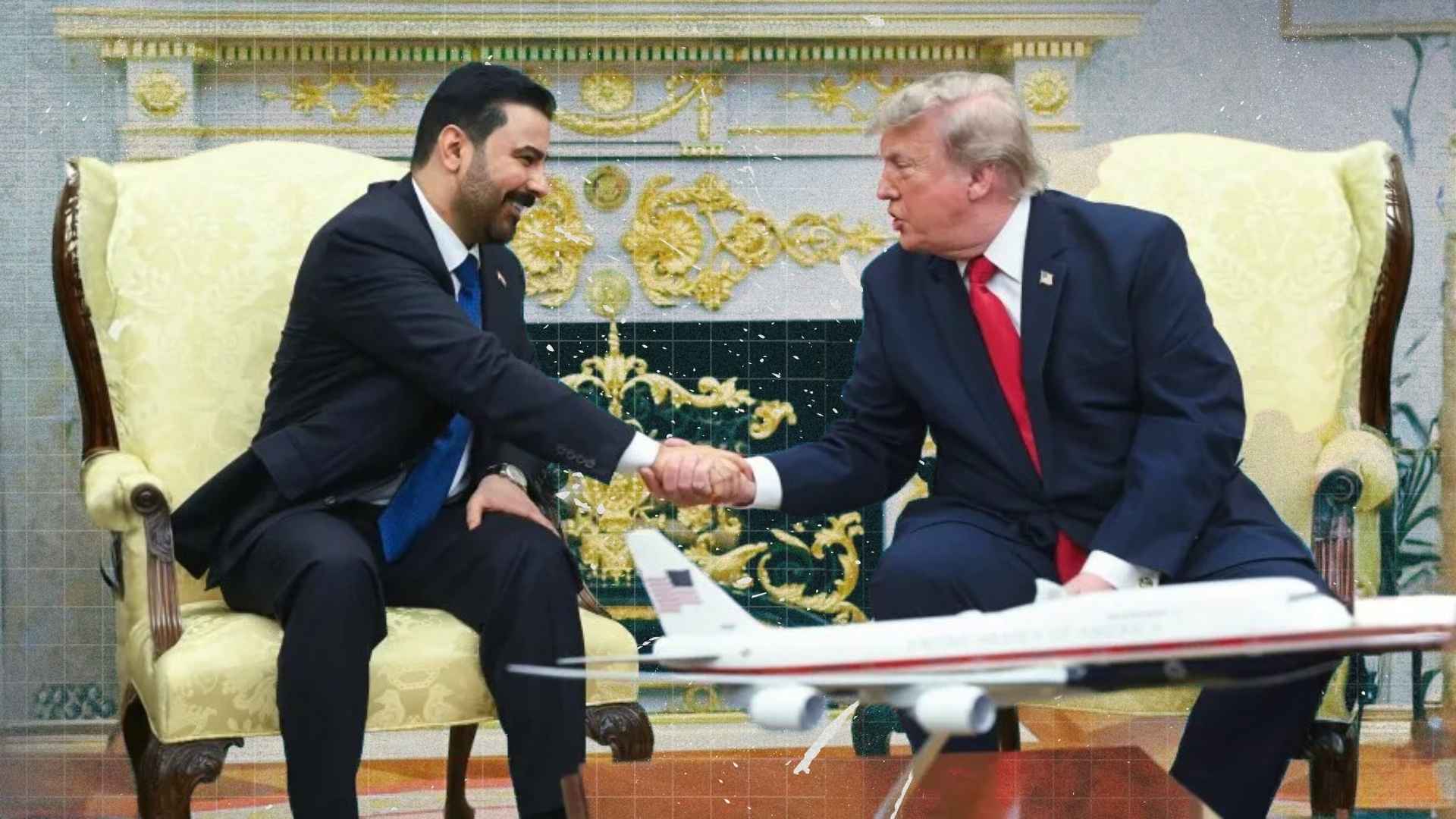
Iraq Signs 48 Deals With U.S. Companies as Oil Pipeline Project Seeks to Bypass Strait of Hormuz
Iraq Signs 48 Deals With U.S. Companies as Baghdad Looks Beyond the Strait of Hormuz
A major economic and energy development is unfolding between Iraq and the United States, with Iraqi officials announcing 48 agreements, memoranda of understanding, cooperation agreements, and partnership arrangements involving American public and private sector entities.
The agreements span several industries, including energy, healthcare, technology, infrastructure, and finance, with the total value of initial agreements and partnerships reported at more than $60 billion.
But one part of the announcement has attracted particular attention: Iraq's effort to develop alternative routes for exporting its oil without depending entirely on the Strait of Hormuz.
The Pipeline That Could Change Iraq's Oil Export Strategy
Among the projects being discussed is the rehabilitation of an old crude oil pipeline connecting Iraq with Syria.
The proposed route would potentially allow Iraqi oil to reach Mediterranean export markets, reducing Baghdad's dependence on shipping crude through the Persian Gulf and the strategically important Strait of Hormuz.
The U.S. State Department has welcomed plans for an international consortium to work on the technical and financial aspects of the project. If completed, the rehabilitated pipeline is expected to have an initial transport capacity of approximately 2 million barrels of crude oil per day.
That is significant—not because it would immediately make the Strait of Hormuz irrelevant, but because it could give Iraq another option for moving its oil to global markets.
And in geopolitics, having options can be power.
Chevron Takes a Major Role
American energy giant Chevron is among the companies involved in Iraq's expanding energy partnership with U.S. businesses.
The company is pursuing agreements related to major Iraqi oil fields while also participating in discussions surrounding alternative pipeline infrastructure.
Other major Western energy companies are also involved in the broader wave of agreements announced during the U.S.-Iraq business summit.
The bigger picture is clear: Iraq is signaling that it wants to attract international investment while expanding and diversifying the routes through which its energy resources can reach the world.
Why the Strait of Hormuz Matters
The Strait of Hormuz is one of the world's most strategically important energy chokepoints.
A huge volume of global oil shipments passes through the narrow waterway, making any disruption there a major concern for energy markets.
Developing alternative pipelines does not mean the Strait immediately loses its importance. The infrastructure would take time to build or rehabilitate, and the proposed routes face their own technical, political, and security challenges.
But the strategy could eventually give Iraq and other regional producers greater flexibility when geopolitical tensions threaten maritime energy routes.
Is This Really About Iran?
This is where the viral social-media narrative needs some caution.
The agreements clearly have strategic implications because they could reduce dependence on a route vulnerable to regional tensions.
But saying "Iran hates this" is an interpretation rather than a confirmed statement from Tehran.
The more defensible conclusion is that infrastructure designed to reduce reliance on the Strait of Hormuz could potentially weaken Iran's leverage over one of the world's most important energy chokepoints.
That alone makes the development strategically significant.
The Bigger Picture
This is not simply about 48 business deals.
It is about energy security, geopolitical influence, and control over supply routes.
For Iraq, alternative export routes could provide greater protection against future disruptions.
For the United States, deeper economic ties with Baghdad could strengthen American influence in a strategically important region.
For global energy markets, additional export routes could eventually provide another layer of resilience.
The most important word, however, is eventually.
The pipeline projects are not an overnight solution to the Strait of Hormuz problem. Some of the agreements are preliminary or non-binding, and major infrastructure projects can take years to complete.
But the direction is unmistakable.
Iraq is looking for more ways to move its oil.
And the United States is positioning itself as a major partner in that effort.
The Real Strategic Question
The question isn't simply whether Iraq can bypass the Strait of Hormuz.
The real question is:
How much leverage can be removed from a single chokepoint when countries begin building alternatives?
If these projects move forward, Iraq could gain greater flexibility in exporting its oil.
And if similar projects expand across the region, the strategic importance of the Strait could gradually change.
Not overnight.
Not with one pipeline.
But potentially, over time.
Conclusion
Iraq's announcement of 48 agreements with U.S. companies worth more than $60 billion marks a significant expansion of economic ties between Baghdad and Washington.
The proposed pipeline projects are particularly important because they could eventually give Iraqi oil an alternative path to global markets.
While the viral claim that this immediately "bypasses Hormuz" is an oversimplification, the underlying development is real: Iraq is actively exploring ways to reduce its dependence on the Strait of Hormuz.
And in a region where energy routes can influence global politics, that is a development worth watching.
📖 Bible Verse / Exegesis
"The plans of the diligent lead surely to abundance, but everyone who is hasty comes only to poverty." — Proverbs 21:5
The principle here is preparation.
Countries, like individuals, cannot always control when a crisis comes—but they can prepare for vulnerability before the crisis arrives.
Iraq's pursuit of alternative energy routes can be viewed through that lens: diversification is a form of preparation.
The deeper lesson is that wisdom often means refusing to depend entirely on one path when circumstances can change overnight.
The real test, however, is whether these ambitious agreements become sustainable projects that genuinely benefit the Iraqi people—not merely headlines or promises.
Because a deal is only as valuable as what it eventually delivers.
Venezuela’s Delcy Rodríguez Sworn In as Interim President as Maduro Appears in US Court
January 07, 2026•1 min read
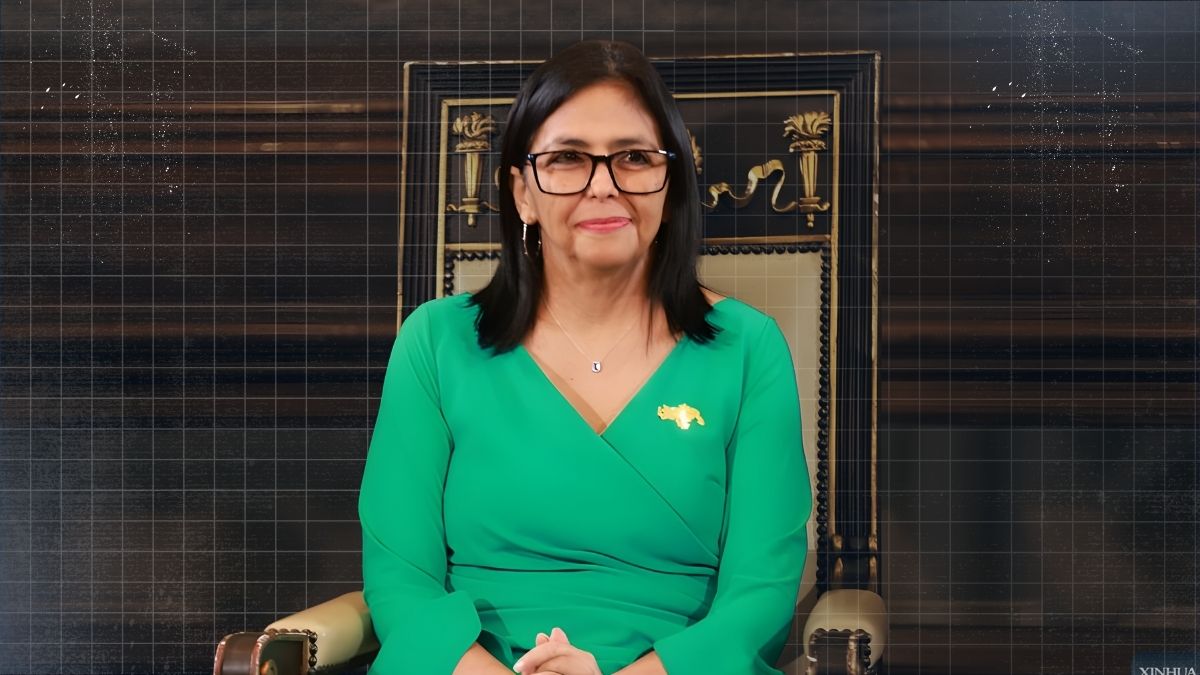
Venezuela’s Vice President and Oil Minister Delcy Rodríguez was formally sworn in as interim president on Monday, January 5, following the arrest and transfer of President Nicolás Maduro to the United States.
Rodríguez took the oath of office amid heightened political tension, describing the moment as one of both “pain and honour.” In her remarks, she accused the United States of having “kidnapped” Maduro and his wife, Cilia Flores, a claim strongly disputed by U.S. officials.

Maduro appeared the same day in a New York court, where he faces drug trafficking-related charges filed by U.S. authorities. American officials have framed the case as a law-enforcement matter tied to long-standing allegations, rather than a political action.
Rodríguez’s swearing-in marks a critical transition for Venezuela’s leadership at a time of uncertainty. As oil minister, she has been a central figure in managing the country’s energy sector amid sanctions and economic strain. Her interim role is expected to focus on maintaining internal stability while diplomatic reactions unfold.
International observers say the developments could reshape Venezuela’s political landscape and its relations with foreign governments, particularly the United States and regional allies. For now, the situation remains fluid, with legal proceedings and diplomatic responses continuing on multiple fronts.
📖 “For the Lord loves justice and does not forsake His faithful ones.” — Psalm 37:28





More House of Representa’thieves Stories
FOLLOW US
Disclaimer: This site uses publicly available images and materials for news, satire, and commentary. All rights belong to their respective owners. No copyright infringement intended.
© 2025 Politikanta Minute. All Rights Reserved.
Political Commentary • Satire • Faith-Based Reflection
Some visuals may be AI-generated for satire and illustration. Not real footage unless stated.
FOLLOW US
Disclaimer: This site uses publicly available images and materials for news, satire, and commentary. All rights belong to their respective owners. No copyright infringement intended.
© 2025 Politikanta Minute. All Rights Reserved.
Political Commentary • Satire • Faith-Based Reflection
Some visuals may be AI-generated for satire and illustration. Not real footage unless stated.