Lawyers Claim ‘Short-Term Memory’ Issue to Halt ICC Trial—A Legal Strategy, Not a Verdict
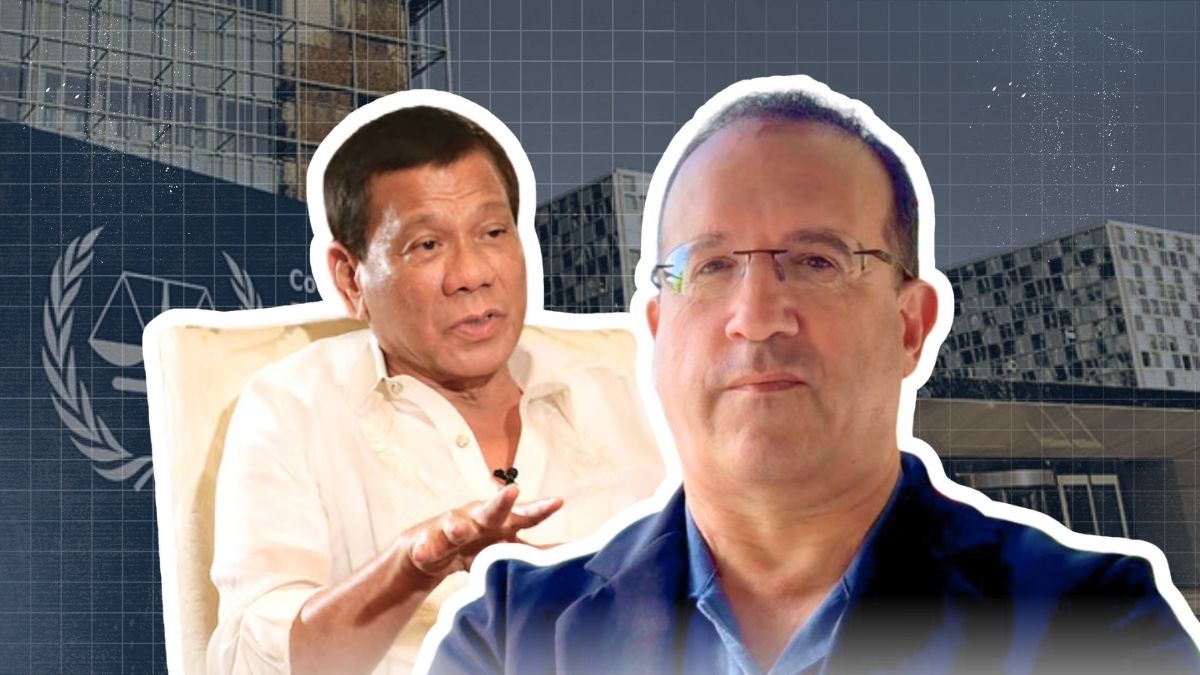
Lawyers for former President Rodrigo Duterte have raised concerns about his alleged “short-term memory” issues in an effort to suspend proceedings before the International Criminal Court (ICC)—a move that underscores the legal complexity of the case rather than any final medical or judicial finding.

According to court filings, the defense cited medical opinions suggesting that Duterte may struggle to retain information over short periods, potentially affecting his ability to meaningfully participate in trial proceedings. However, the Pre-Trial Chamber (PTC) itself clarified a crucial point: the medical panel was not appointed to determine competence or guilt, but merely to provide expert observations.

Importantly, the panel’s findings were not dispositive. Reports acknowledged inconsistencies among experts and emphasized that further examination may be necessary. Prosecutors, for their part, argued that despite age and frailty, Duterte retains sufficient mental capacity to understand proceedings, give instructions, and exercise his legal rights.
Legal observers note that this development reflects a procedural contest, not a medical conclusion. Raising health-related concerns is a recognized legal strategy worldwide, especially in high-stakes international cases. It does not equate to a ruling that a defendant is unfit, nor does it substitute for judicial determination.
What remains unresolved—and central to Duterte supporters—is whether the ICC possesses legitimate jurisdiction at all, given the Philippines’ withdrawal from the Rome Statute and ongoing constitutional challenges now under review by the Philippine Supreme Court.
🦅 Agila note:
When the law runs out of arguments, procedure becomes the battlefield.
Bible Verse:
“The wisdom of the prudent is to give thought to their ways.” — Proverbs 14:8