
Support Politikanta Minute
Your support keeps independent commentary alive.
☕ Buy us a coffee and keep the conversation going
Latest Videos
Curated Politikanta Minute playlists by focused political topic.
SENATE Issues
Latest SENATE-related updates, reactions, political tension, hearing clips, and issue breakdowns.
Watch MoreDuterte Legacy Playlist
BBM Playlist
House of Representatives Scandals Playlist
Celebrity Updates
Sports
🎵 Music
18 Marines Playlist
Global Entertainment Playlist
Global News Playlist
Bible Scripture Playlist
Breaking News Playlist
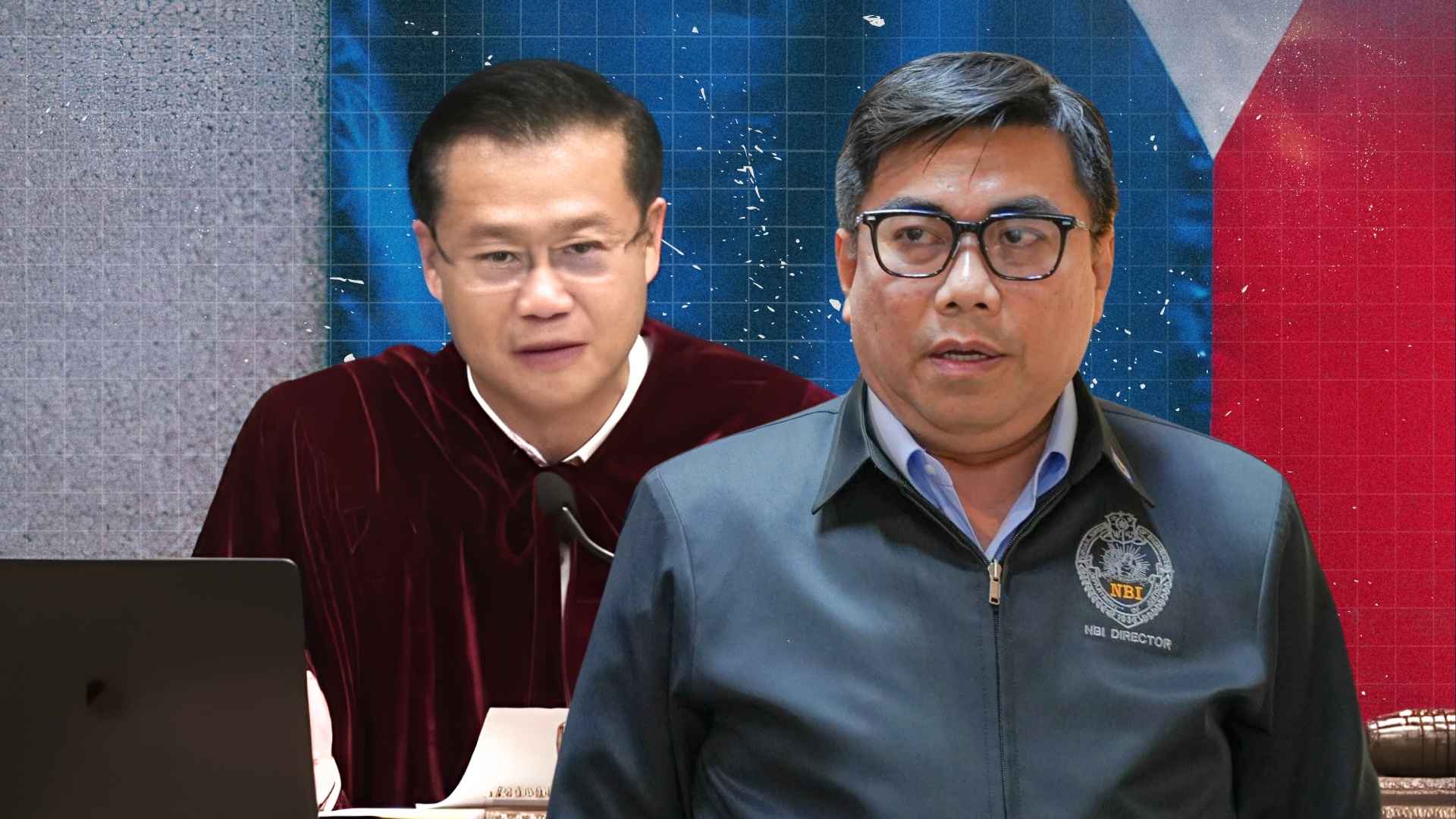
“3 TO 6 MONTHS?” GATCHALIAN PRESSES MATIBAG ON VP SARA THREAT INVESTIGATION
GATCHALIAN PRESSES MATIBAG: “WHEN WILL YOU FIND THE PERSON ALLEGEDLY HIRED BY VP SARA?”
NBI GIVES 3–6 MONTH INDICATIVE TIMELINE FOR PROGRESS IN INVESTIGATION
Senator-judge Win Gatchalian pressed NBI Director Melvin Matibag for a clearer timeline on the investigation into the alleged person who was supposedly contacted to kill President Ferdinand Marcos Jr.
The exchange came during questioning at the impeachment trial of Vice President Sara Duterte, where the alleged grave threats against the President remain among the issues being examined.
Gatchalian pointed out that the matter has already been under scrutiny for approximately one year and eight months.
With a new task force now handling the investigation, the senator-judge wanted to know whether authorities could provide a concrete timeframe.
Could it be three months?
Six months?
Or would the investigation take even longer?
Matibag explained that the investigation would ultimately be completed once authorities are able to specifically locate and identify the person allegedly contacted by the Vice President.
He also emphasized that the task force's mandate goes beyond simply identifying the alleged individual.
According to Matibag, the NBI is also tasked with monitoring potential security concerns and preventing possible destabilization that could threaten peace and order.
But Gatchalian returned to the central question:
When will investigators finally identify the person allegedly contracted?
Matibag initially declined to provide an exact timeline.
However, he said the task force—established on April 16—was already making “great progress.”
That answer prompted Gatchalian to ask what exactly “great progress” meant.
Matibag responded that investigators had received numerous reports and had already identified several names of persons of interest whom they were pursuing.
But Gatchalian wasn't satisfied with a vague assessment.
He pushed further.
Could the NBI provide an indicative timeframe?
This time, Matibag gave a more concrete answer.
He said that within three to six months, investigators expected to have clearer data and potentially identify the person allegedly contracted.
That timeframe, however, remains an expectation—not a guarantee.
And that distinction is important.
An investigation involving an alleged threat against a sitting President is not a simple criminal inquiry.
It involves questions of evidence, identification, corroboration, motive, and ultimately, accountability.
The NBI is being asked to establish not only whether a threat was made, but whether there was an actual plan behind it—and if so, who was allegedly involved.
The exchange also highlights the central challenge facing the investigation.
For the prosecution's allegations to move beyond political controversy, investigators must be able to establish the factual chain connecting the alleged statements to the supposed person who was allegedly contacted.
That is precisely why Gatchalian's question was significant.
Who was the person?
Was that person actually contacted?
Was there an agreement?
Was there an actual plan?
And perhaps most importantly:
Can investigators produce evidence that can withstand scrutiny?
Matibag's answer suggests the NBI believes it is moving closer to those answers.
But the clock is now ticking.
The investigation has already been ongoing for a considerable period, and the public is being asked to wait another three to six months for potentially clearer results.
For supporters of the investigation, that may be a reasonable timeframe for law enforcement to build a solid case.
For critics, however, the question remains whether the investigation can produce concrete evidence rather than simply more allegations and persons of interest.
And that's where this impeachment controversy continues to face its biggest test.
Evidence.
Not political claims.
Not assumptions.
Not speculation.
Evidence.
Because ultimately, identifying a person of interest is not the same as proving that person was actually hired.
And saying an investigation has made “great progress” is not the same as presenting evidence that conclusively establishes what happened.
The next three to six months could therefore be critical.
If investigators succeed in identifying the alleged person and uncovering corroborating evidence, the investigation could significantly strengthen the case being built around the grave-threat allegations.
But if no concrete evidence emerges, questions about the credibility and direction of the investigation are likely to become even louder.
For now, the NBI's message is clear:
The investigation is moving forward.
The senator-judge's question is equally clear:
How long before we finally know who the alleged person is?
And the answer from the NBI:
Possibly within three to six months.
Now, the public will have to wait and see whether that prediction becomes reality.
📖 EXEGESIS — THE IMPORTANCE OF ESTABLISHING THE TRUTH
Proverbs 18:17
“In a lawsuit the first to speak seems right, till someone comes forward and cross-examines.”
This verse carries a powerful reminder for any investigation or legal proceeding.
The first version of a story can sound convincing.
But truth requires examination.
It requires questions.
It requires verification.
And sometimes, it requires patience.
In the impeachment proceedings, allegations have been made, investigations have been conducted, and different sides have presented competing narratives.
But the responsibility of investigators is not simply to confirm what people already believe.
It is to establish what actually happened.
That is why the question raised by Senator Win Gatchalian matters:
When will investigators identify the alleged person connected to the threat?
The NBI's answer is three to six months.
But the ultimate measure will not be the speed of the investigation.
It will be the quality of the evidence.
Because justice cannot be built on assumptions.
And truth should be strong enough to survive questioning.
📌 Senate Watch | Hontiveros: No Senator Will Be Arrested While Senate Is in Session
February 16, 2026•2 min read
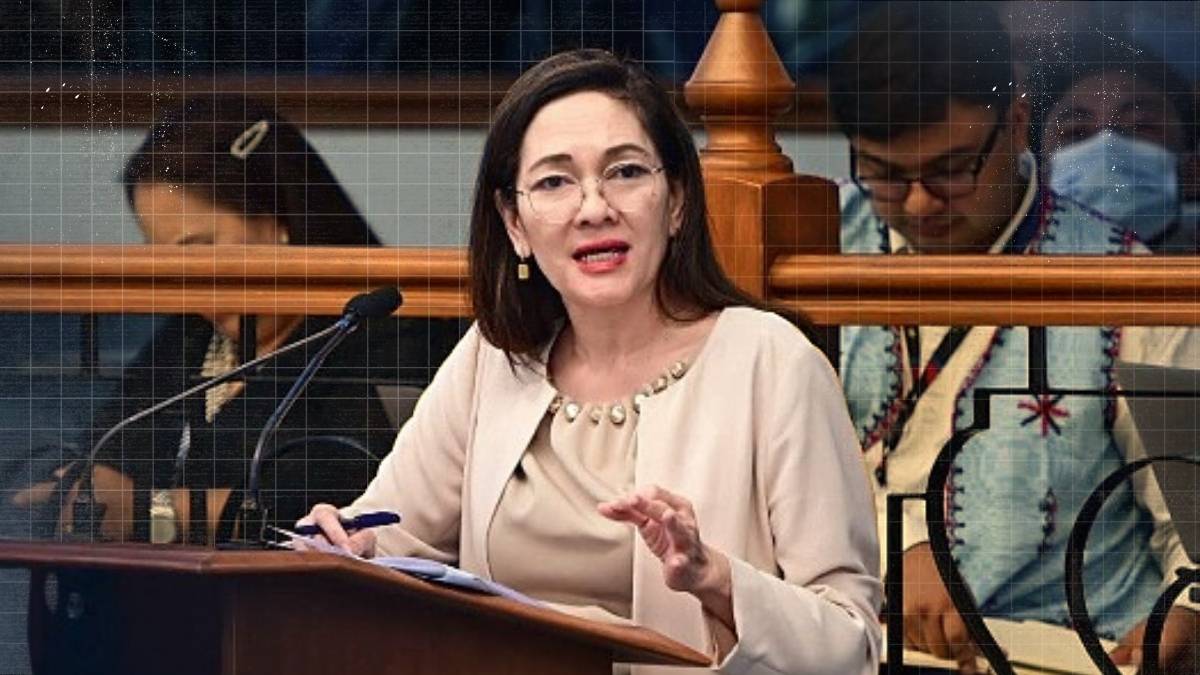
Senator Risa Hontiveros has clarified that no senator will be arrested inside the Senate while it is in session, emphasizing constitutional protections granted to members of Congress during official proceedings.
Her statement comes amid heightened political tension and ongoing legal controversies involving several lawmakers. While she did not reference a specific individual, the remark appeared aimed at calming speculation about potential arrests within Senate premises.
The Constitutional Basis
Under Article VI, Section 11 of the Philippine Constitution, senators and members of the House of Representatives enjoy immunity from arrest while Congress is in session—except in cases punishable by more than six years imprisonment.
This immunity is not absolute. It protects legislative independence by ensuring that lawmakers can perform their duties without undue interference. However, it does not shield them from criminal prosecution.
In practice, enforcement authorities typically coordinate with Senate leadership before executing arrest warrants involving sitting senators.
What Hontiveros Clarified
Hontiveros’ statement underscores two key principles:
The Senate remains a functioning legislative institution.
Arrest actions, if any, will follow constitutional and procedural safeguards.
Her clarification aims to avoid scenes that could disrupt Senate sessions or create constitutional conflict between branches of government.
Institutional Stability
The Senate has recently faced:
Legal cases involving current and former officials
ICC-related developments
Allegations linked to public funds
Leadership maneuvering
In such an environment, rumors of arrests can quickly escalate into political crisis narratives.
Hontiveros’ remarks appear designed to reinforce procedural order rather than political positioning.
Immunity vs Accountability
A frequent misconception is that legislative immunity equates to exemption from prosecution. In reality:
Immunity protects against arrest during session (with exceptions).
It does not prevent filing of cases.
It does not prevent trial proceedings.
If charges are filed, senators may still face judicial processes—outside the constraints of active session protections.
Separation of Powers
The judiciary may issue warrants. The executive enforces them. The legislature operates independently.
To prevent institutional clashes, coordination between branches often occurs quietly.
Public statements clarifying procedure help preserve stability and reduce speculation.
Political Interpretation
In polarized environments, even procedural clarifications are interpreted politically.
Supporters may see Hontiveros’ statement as defense of institutional dignity.
Critics may question timing or motive.
But constitutionally, the principle she cited is longstanding.
Why This Matters
Public trust in governance depends on:
Clear constitutional boundaries
Orderly enforcement
Respect among branches
High-profile arrests inside legislative chambers could trigger constitutional confrontation.
Her statement suggests that, if legal actions arise, they will follow established protocol.





More Senate Stories
FOLLOW US
Disclaimer: This site uses publicly available images and materials for news, satire, and commentary. All rights belong to their respective owners. No copyright infringement intended.
© 2025 Politikanta Minute. All Rights Reserved.
Political Commentary • Satire • Faith-Based Reflection
Some visuals may be AI-generated for satire and illustration. Not real footage unless stated.