
Support Politikanta Minute
Your support keeps independent commentary alive.
☕ Buy us a coffee and keep the conversation going
Latest Videos
Curated Politikanta Minute playlists by focused political topic.
SENATE Issues
Latest SENATE-related updates, reactions, political tension, hearing clips, and issue breakdowns.
Watch MoreDuterte Legacy Playlist
BBM Playlist
House of Representatives Scandals Playlist
Celebrity Updates
Sports
🎵 Music
18 Marines Playlist
Global Entertainment Playlist
Global News Playlist
Bible Scripture Playlist
Breaking News Playlist
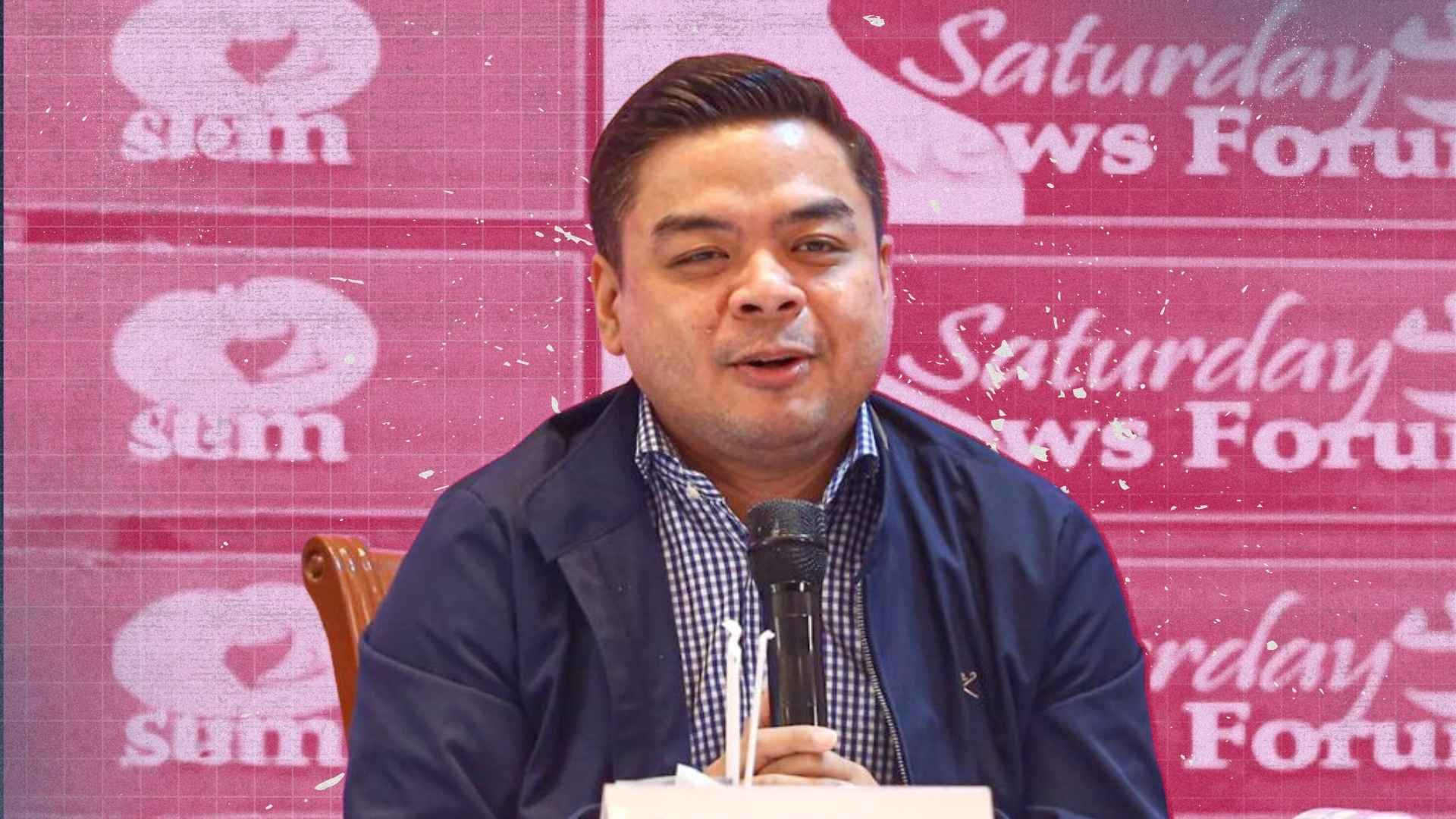
“TAMA NA ANG DRAMA-DRAMA!” — RIDON SLAMS VP SARA OVER TRIAL REQUEST
“TAMA NA ANG DRAMA-DRAMA!” — RIDON QUESTIONS VP SARA’S REQUEST FOR TRIAL SUPPORT
MANILA — Umiinit na naman ang palitan ng pahayag sa impeachment proceedings laban kay Vice President Sara Duterte matapos kuwestiyunin ni House prosecutor at Bicol Saro Representative Terry Ridon ang kahilingan ng kampo ng Vice President na sagutin ng Senate impeachment court ang catering service at iba pang pangangailangan ng kanyang mga abogado at staff habang dinidinig ang Articles of Impeachment.
Sa isang Saturday News Forum noong Hulyo 25, sinabi ni Ridon na posibleng maging isang “patibong” ang naturang kahilingan.
Kasabay nito, nagbitaw rin siya ng matapang na mensahe sa Vice President:
“Tama na ang drama-drama!”
Para kay Ridon, may kanya-kanyang pondo ang mga ahensya ng pamahalaan para sa kanilang operasyon at pangangailangan.
Kabilang dito, aniya, ang Office of the Vice President.
RIDON QUESTIONS THE REQUEST
Ang pangunahing argumento ni Ridon ay simple:
Kung may sariling pondo ang isang government office, bakit kailangan pang humingi ng karagdagang suporta mula sa ibang sangay o institusyon ng pamahalaan?
Ayon sa House prosecutor, ang Office of the Vice President ay may sariling budget na maaaring gamitin para sa mga pangangailangan nito.
Dahil dito, kinuwestiyon niya ang kahilingan para sa catering at iba pang logistical support para sa legal team at staff ng Vice President habang nagpapatuloy ang impeachment proceedings.
Para kay Ridon, hindi dapat ilipat sa ibang institusyon ang gastusin na maaari namang sagutin ng sariling pondo ng isang tanggapan.
“POSIBLENG PATIBONG”
Mas naging kontrobersyal ang pahayag ni Ridon nang sabihin niyang posibleng isang “patibong” ang request.
Mahalagang linawin na ito ay pahayag at political assessment ni Ridon, hindi isang napatunayang katotohanan.
Ngunit ano ang ibig niyang sabihin?
Sa kanyang pananaw, maaaring magkaroon ng political at procedural implications ang naturang kahilingan.
Kung pagbigyan ng Senate impeachment court ang request, maaaring magkaroon ng debate kung sino ang dapat sumagot sa mga gastusin na may kaugnayan sa trial.
At dito pumapasok ang mas malaking tanong:
Sino ba talaga ang responsable sa gastusin ng isang constitutional official na humaharap sa impeachment proceedings?
ANG USAPIN NG PUBLIC FUNDS
Sa gitna ng debate, mahalagang tingnan ang issue mula sa perspective ng paggamit ng pera ng gobyerno.
Ang bawat government agency ay may sariling appropriated budget para sa iba't ibang operasyon.
May mga pondo para sa personnel.
May administrative expenses.
May operational requirements.
At may iba pang gastusing pinahihintulutan sa ilalim ng budget laws at government accounting rules.
Kaya ang tanong ay hindi lamang:
“May pera ba?”
Ang mas mahalagang tanong ay:
“Sino ang legally authorized na gumastos?”
At:
“Sino ang dapat managot sa gastusing iyon?”
Dito nagiging mas komplikado ang usapin.
ANG IMPEACHMENT TRIAL AT ANG LEGAL TEAM
Ang impeachment trial ay isang constitutional process.
Ang Vice President ay may karapatang ipagtanggol ang kanyang sarili at magkaroon ng legal representation.
Ngunit ang pagkakaroon ng legal representation ay hiwalay na usapin mula sa tanong kung sino ang sasagot sa logistical expenses ng kanyang legal team at staff.
Dito nakasentro ang kritisismo ni Ridon.
Hindi niya kinukuwestiyon lamang ang pagkakaroon ng lawyers.
Ang kinukuwestiyon niya ay kung dapat bang gamitin ang resources ng Senate impeachment court para sa mga pangangailangang maaaring saklaw ng sariling budget ng OVP.
At dito kailangang maging malinaw ang rules.
Kung pinapayagan ng batas—
Ipaliwanag.
Kung hindi pinapayagan—
Ipaliwanag din.
Dahil public funds ang pinag-uusapan.
“TAMA NA ANG DRAMA-DRAMA!”
Ang linyang ito ang malamang na magiging pinakakilalang bahagi ng pahayag ni Ridon.
Sa political communication, madaling makuha ng isang maikli at matapang na linya ang atensyon ng publiko.
At ang:
“Tama na ang drama-drama!”
ay eksaktong ganitong klase ng statement.
Ngunit sa likod ng dramatic exchange, may substantive issue na kailangang sagutin.
Hindi dapat mawala sa debate ang tunay na tanong:
May legal basis ba ang request?
At kung mayroon:
Ano ang legal basis?
Kung may pondo naman ang OVP:
Bakit kailangang ibang government institution ang sumagot?
At kung may constitutional reason kung bakit dapat sagutin ng Senate impeachment court:
Ano ang specific rule na nagbibigay ng authority para rito?
Iyan ang mga tanong na mas mahalaga kaysa sa political name-calling.
THE BIGGER QUESTION: WHO PAYS?
Sa isang impeachment trial, natural lamang na magkaroon ng gastusin.
May mga hearing.
May mga legal proceedings.
May mga dokumento.
May mga abogado.
May mga staff.
May mga logistical requirements.
Ngunit dahil government resources ang pinag-uusapan, kailangang malinaw kung alin ang legitimate public expense at alin ang dapat sagutin ng mismong opisina o partido.
Ang prinsipyo ay dapat pareho para sa lahat.
Kung may constitutional official na ini-impeach ngayon, dapat malinaw ang rules.
At kung may ibang opisyal na haharap sa parehong proseso sa hinaharap, dapat pareho rin ang treatment.
Hindi dapat nagbabago ang rules depende sa kung sino ang nasa trial.
THE POLITICS BEHIND THE REQUEST
May isa pang layer ang issue.
Ang impeachment trial ay hindi lamang legal proceeding.
Ito rin ay political process.
Kaya bawat request, bawat statement, at bawat procedural move ay maaaring magkaroon ng political implications.
Ito ang dahilan kung bakit kailangang maging maingat ang lahat ng panig.
Ang prosecution ay may tungkuling ipakita ang kanilang kaso.
Ang defense ay may tungkuling ipagtanggol ang kanilang kliyente.
Ang Senate impeachment court naman ay may tungkuling tiyaking patas ang proseso.
At ang publiko?
May karapatang malaman kung paano ginagamit ang kanilang pera.
TRANSPARENCY SHOULD BE THE STANDARD
Kung may request para sa public funds, dapat walang dapat ikatakot sa transparency.
Dapat malinaw:
Magkano?
Para saan?
Sino ang gagastos?
Anong legal authority ang pinagbabatayan?
Anong budget ang gagamitin?
At higit sa lahat:
Public interest ba talaga ang pinaglilingkuran nito?
Hindi dapat maging personal ang usapin.
Hindi rin dapat maging political weapon ang budget.
Dapat malinaw ang rules.
At dapat pantay ang pagpapatupad.
THE DEFENSE OF DUE PROCESS
Gayunpaman, kailangang tandaan na ang isang impeachment trial ay isang seryosong constitutional proceeding.
Ang sinumang respondent ay may karapatang magkaroon ng patas na proseso.
Hindi rin dapat gamitin ang issue ng gastusin para tanggalan ng access ang isang respondent sa kanyang legal defense.
Kaya dapat magkaroon ng balanse.
Due process for the accused.
At kasabay nito:
Accountability for public spending.
Hindi kailangang pumili sa dalawa.
Maaaring protektahan ang karapatan ng respondent habang pinoprotektahan din ang kaban ng bayan.
POLITIKANTA MINUTE TAKE 🎙️
BFF, ito ang ruthless but fair angle natin:
Kung may sariling budget ang OVP at legally puwedeng gamitin iyon para sa kanilang mga pangangailangan, then why pass the bill to another government institution?
Simple question.
Pero may kabilang side din.
Kung may legal basis ang Senate impeachment court para mag-provide ng certain logistical support, then ipakita ang rules.
Simple rin.
Ang problema sa Philippine politics ay madalas nauuna ang:
Drama.
Personal attacks.
Political loyalty.
Samantalang ang dapat mauna ay:
Documents.
Budget rules.
Legal authority.
Transparency.
Kung tama ang request—
Defend it with law.
Kung mali—
Withdraw it.
Hindi kailangang gawing circus.
THE PUBLIC DESERVES CLARITY
Ang ordinaryong Pilipino ay hindi dapat kailangang pumili sa pagitan ng prosecution at defense para malaman kung ano ang tama.
Hindi rin dapat kailangang maging supporter ni Sara Duterte o supporter ng prosecution para magtanong tungkol sa paggamit ng public funds.
May karapatan ang publiko na magtanong.
At may obligasyon ang mga opisyal na sumagot.
Dahil ang pera ng gobyerno ay hindi pag-aari ng isang political camp.
Hindi ito pag-aari ng Senate.
Hindi ito pag-aari ng House.
Hindi ito pag-aari ng OVP.
At lalong hindi ito personal na pera ng sinumang opisyal.
Pera ito ng taumbayan.
Kaya dapat malinaw kung saan napupunta.
THE REAL TEST
Ang tunay na test sa issue na ito ay hindi kung sino ang mas mahusay magsalita.
Hindi kung sino ang mas nakakatawa ang banat.
Hindi kung sino ang mas malakas ang political machinery.
Ang tunay na test ay:
Ano ang sinasabi ng batas?
Kung may budget ang OVP—
Ano ang saklaw nito?
Kung may request sa Senate—
Ano ang legal basis nito?
Kung may public funds na gagamitin—
Ano ang transparency mechanism?
At kung may impeachment trial—
Paano mapoprotektahan ang due process?
Iyan ang mga tanong na dapat sagutin.
FINAL COMMENTARY
Ang pahayag ni Terry Ridon na:
“Tama na ang drama-drama!”
ay siguradong magbibigay ng bagong spark sa political debate.
Pero higit sa catchy statement, may mas mahalagang issue sa likod nito.
Public money.
Legal authority.
Due process.
Transparency.
Kung ang Vice President ay may karapatang ipagtanggol ang sarili sa impeachment trial, dapat igalang iyon.
Pero kung may gagamiting public funds, dapat malinaw kung sino ang may legal authority na gumastos.
Hindi dapat maging personal ang usapin.
Hindi rin dapat maging political favor.
At lalong hindi dapat maging patibong.
Ang sagot ay simple:
Ipakita ang batas.
Ipakita ang budget.
Ipakita ang rules.
At hayaan ang publiko na makita ang buong picture.
Dahil sa isang impeachment trial, hindi lamang ang mga senador, prosecutors, at lawyers ang nakatingin.
Ang buong sambayanan ay nanonood.
At ang sambayanan ang nagbabayad.
BIBLE VERSE — ACCOUNTABILITY IN PUBLIC SERVICE
Luke 16:10
“Whoever can be trusted with very little can also be trusted with much.”
EXEGESIS
Ang prinsipyo ng verse na ito ay simple ngunit malalim:
Ang maliit na bagay ay nagpapakita ng karakter.
Kung paano ginagamit ang maliit na halaga ay maaaring magpakita kung paano hahawakan ang mas malaking responsibilidad.
Sa public service, mas lalo itong mahalaga.
Ang bawat pisong galing sa taxpayers ay may pinanggalingan.
May taong nagtrabaho para rito.
May negosyong nagbayad ng buwis.
May pamilyang naglaan ng bahagi ng kanilang kita para pondohan ang gobyerno.
Kaya ang public funds ay dapat gamitin nang may:
integrity,
transparency,
at
accountability.
Hindi mahalaga kung sino ang humihingi.
Hindi mahalaga kung sino ang nasa kapangyarihan.
Ang standard ay dapat pareho:
Kung pera ng bayan, dapat maipaliwanag sa bayan.
Supreme Court Orders Ombudsman, ICI to Respond to Zaldy Co’s Petition
February 14, 2026•3 min read
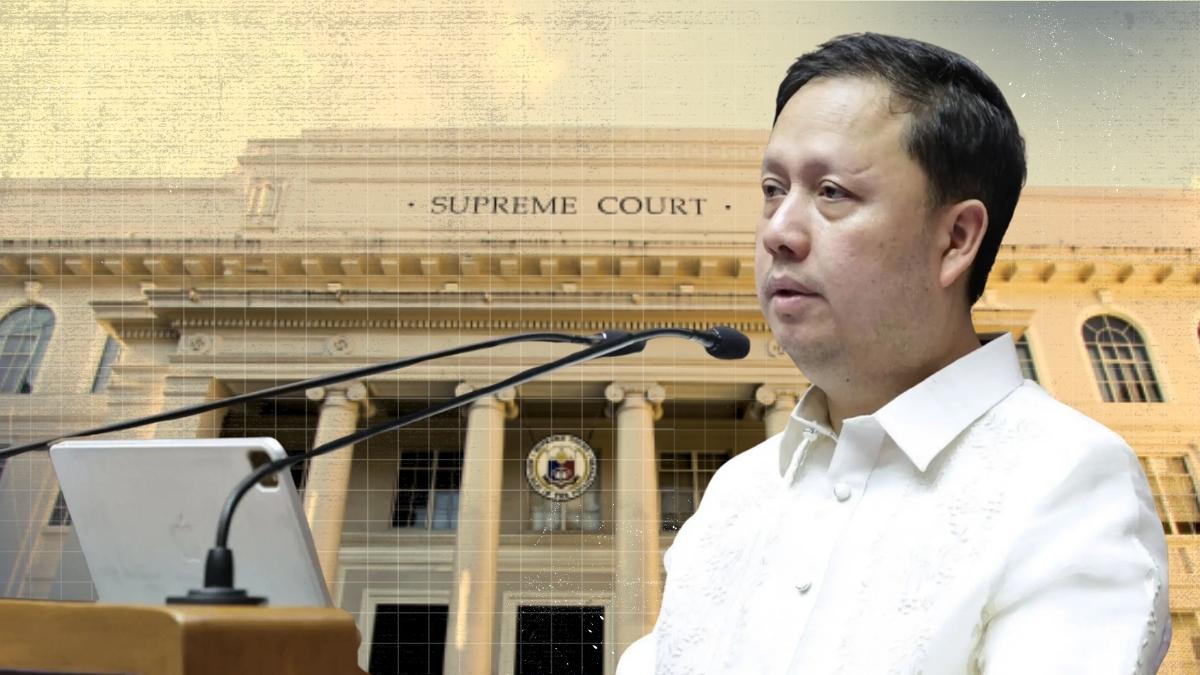
The legal battle surrounding businessman and former lawmaker Zaldy Co has taken a new turn after the Supreme Court directed both the Office of the Ombudsman and the Independent Commission on Infrastructure (ICI) to respond to his claims.
The High Court’s order does not rule on the merits of Co’s arguments yet. Instead, it signals that the Court found enough basis to require the respondents to formally answer the petition. In legal procedure, this step is significant: it means the case is moving forward in a structured judicial process.
What the Supreme Court’s Order Means
When the Supreme Court requires government agencies to comment, it does not automatically validate the petitioner’s claims. Rather, it ensures that due process is observed. Both sides are given the opportunity to present their arguments, evidence, and legal reasoning before the Court decides.
In this case, Co reportedly raised concerns about actions taken against him and questioned the authority or procedures of certain investigations. By ordering the Ombudsman and ICI to respond, the Court is essentially saying: “Explain your side.”
This step is part of constitutional checks and balances. The judiciary serves as the final arbiter when disputes arise between individuals and government agencies.
The Broader Context
The controversy involving Zaldy Co has unfolded alongside broader debates over infrastructure projects, alleged irregularities, and political accountability. The Independent Commission on Infrastructure was tasked with reviewing large-scale infrastructure spending, while the Ombudsman handles investigations of public officials for potential misconduct.
Co’s legal challenge places both institutions under scrutiny. It raises questions such as:
Were procedures properly followed?
Were constitutional rights upheld?
Did the agencies act within their legal mandate?
The Supreme Court’s involvement elevates the matter from political debate to constitutional review.
Why This Development Matters
This order underscores a key democratic principle: government actions are reviewable. No agency operates beyond judicial oversight.
For supporters of Co, the Court’s action may be seen as an opportunity to challenge what they believe are procedural flaws or overreach. For critics, it is simply part of routine judicial review and does not imply wrongdoing by the agencies involved.
Importantly, the Court’s directive ensures transparency. The Ombudsman and ICI must now formally explain their positions in writing, allowing the public to see how these institutions justify their actions.
Judicial Process vs. Political Narrative
In highly charged political environments, legal disputes often get framed in partisan terms. However, the Supreme Court’s process operates differently. It focuses strictly on constitutional questions and statutory interpretation.
The Court’s next steps will depend on:
The written responses of the Ombudsman and ICI
The legal sufficiency of Co’s petition
Whether further hearings or submissions are required
Only after evaluating these will the Court decide whether relief should be granted or denied.
Implications Moving Forward
The case could have implications beyond the individuals involved. It may clarify:
The scope of investigative authority of commissions like the ICI
The limits of Ombudsman jurisdiction
Standards for due process in high-profile investigations
Whatever the outcome, the process reinforces institutional accountability. When legal questions arise, they are settled in court—not in press conferences or social media posts.
Final Thoughts
The Supreme Court’s order is a reminder that in a constitutional democracy, disputes between citizens and the state must be resolved through law.
At this stage, there is no final ruling—only a directive to respond. But that directive alone highlights the seriousness of the issues raised.
As the case progresses, observers will watch closely to see how the Ombudsman and ICI defend their actions—and how the Supreme Court ultimately interprets the legal boundaries at stake.
For now, one thing is clear: the matter has officially entered the highest level of judicial review.






More Senate Stories
FOLLOW US
Disclaimer: This site uses publicly available images and materials for news, satire, and commentary. All rights belong to their respective owners. No copyright infringement intended.
© 2025 Politikanta Minute. All Rights Reserved.
Political Commentary • Satire • Faith-Based Reflection
Some visuals may be AI-generated for satire and illustration. Not real footage unless stated.