
Unprogrammed appropriations
Decision to veto nearly P92.5 billion in unprogrammed appropriations
Tap to view
👁
Mixed

Your support keeps independent commentary alive.
☕ Buy us a coffee and keep the conversation going


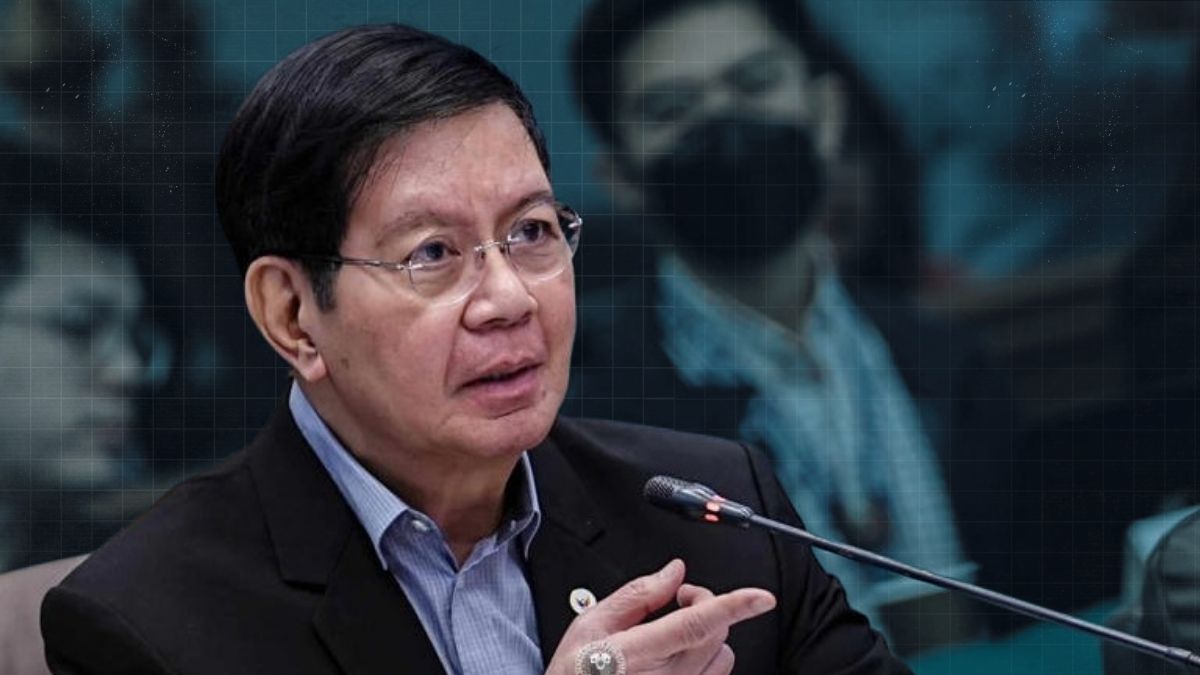
Senate President Pro Tempore Ping Lacson made it clear: the substance of the Senate Blue Ribbon Committee report will remain, even as revisions, clarifications, or refinements are made to the draft.
The statement addresses growing speculation that withdrawals of signatures or edits could weaken—or even erase—the report’s core findings on alleged flood control anomalies. Lacson pushed back on that narrative, emphasizing a crucial distinction in legislative investigations: form can change; substance should not.
In committee practice, drafts are living documents. They are revised to:
correct language,
align conclusions with evidence,
incorporate dissenting views,
and ensure procedural compliance.
But Lacson underscored that these changes do not amount to abandoning the report’s factual backbone. Testimonies, documents, and validated records that underpin the inquiry do not vanish because of edits.
In other words, polishing the report does not negate what the committee learned.
The Blue Ribbon Committee has been probing alleged irregularities in flood control projects—an issue that resonates deeply with the public, given the human and economic costs of flooding. The investigation drew on:
budget records,
project lists,
witness testimonies,
and inter-agency data.
As scrutiny intensified, political pressure followed—inside and outside the Senate. That pressure often manifests at the drafting stage, where wording choices carry legal and political consequences.
Draft reports are magnets for controversy because they:
name systems and patterns,
sometimes mention powerful figures,
and foreshadow accountability pathways.
When signatures are withdrawn or edits proposed, the public can misread the process as backtracking. Lacson’s message seeks to reset expectations: process corrections are not retreats.
Lacson framed his stance as institutional, not personal. The committee’s credibility depends on two things:
Accuracy — conclusions must match evidence.
Durability — findings must withstand scrutiny.
By insisting the substance stays, Lacson signaled resistance to watering down conclusions for convenience. At the same time, he acknowledged the Senate’s duty to refine language so the report can stand as an official record.
A finalized report—substantively intact—can:
inform policy reforms,
guide executive action,
and provide reference for oversight bodies.
It does not automatically produce indictments. But it does shape the accountability ecosystem, especially when it documents systemic weaknesses or recurring practices.
For citizens watching closely, Lacson’s line is simple: don’t confuse editing with erasing. Legislative reports are strengthened—not weakened—when they are tightened without abandoning their core findings.
The committee will continue:
reconciling language,
resolving objections,
and moving toward adoption.
When the report is finalized, debate will shift from how it was written to what it demands be fixed.
Quiet takeaway: In oversight, the truth isn’t fragile—it’s refined.
Politikanta Minute jab (clean):
Palit-salita pwede—palit-laman, hindi.
Bible verse anchor:
Proverbs 12:19 — “Truthful lips endure forever, but a lying tongue lasts only a moment.”









Disclaimer: This site uses publicly available images and materials for news, satire, and commentary. All rights belong to their respective owners. No copyright infringement intended.
© 2025 Politikanta Minute. All Rights Reserved.
Political Commentary • Satire • Faith-Based Reflection
Some visuals may be AI-generated for satire and illustration. Not real footage unless stated.
