
Dynasty
“THE POLITICAL FAMILY OF SUANSING.
Tap to view
👁
HOR

Your support keeps independent commentary alive.
☕ Buy us a coffee and keep the conversation going


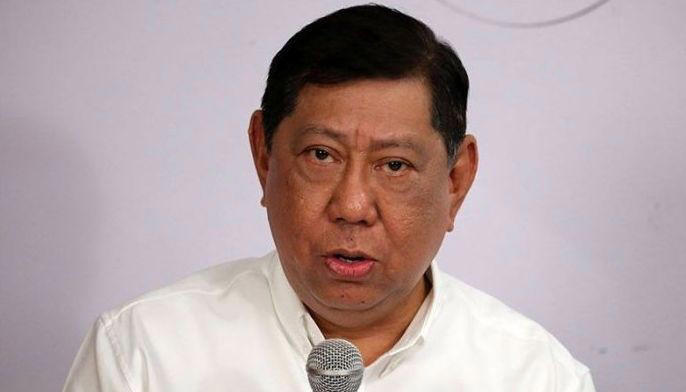
The Philippines may be forced to borrow billions of pesos to keep major infrastructure projects afloat after delays pushed several foreign-assisted developments into unprogrammed funds, according to Edgar Erice, a senior lawmaker who warned that the financial consequences could eventually fall on ordinary Filipinos.

Speaking in recent interviews, Erice cited large-scale transport projects—including the Metro Manila Subway and the Philippine National Railways—as examples of initiatives that were originally intended to be funded under programmed appropriations but were later reclassified as unprogrammed in the 2025 national budget. Because unprogrammed funds can only be released if excess government revenues are generated, projects with signed loan agreements may now face prolonged delays or require additional borrowing.
The issue, Erice said, is not merely administrative. When projects backed by foreign loans are stalled, the country risks paying commitment fees, penalties, or interest on funds that are already contractually secured but cannot be fully utilized. In effect, delays transform development financing into a growing fiscal burden.
Several of the affected projects were initially scheduled for completion within this decade but have since seen their timelines pushed back by years. The Metro Manila Subway, for instance, has reportedly moved from an original target of 2028 to 2030, largely due to funding classification issues and right-of-way complications. Similar setbacks have affected rail and road initiatives critical to decongesting urban centers and improving regional connectivity.
In the 2026 national budget proposal, nearly ₱97 billion worth of foreign-assisted projects were placed under unprogrammed appropriations. Erice questioned the logic behind this move, noting that projects with finalized loan agreements and ongoing implementation are typically included under programmed funds to ensure continuity.
“If the loan is already signed and the project is underway,” he argued, “there is no reason to treat it as optional.”
Budget analysts point out that unprogrammed appropriations are designed as contingency mechanisms—activated only when surplus revenues materialize. While legally permissible, excessive reliance on unprogrammed funding can introduce uncertainty into long-term infrastructure planning, particularly for projects that depend on synchronized financing schedules with foreign partners.
The Department of Public Works and Highways (DPWH), one of the main implementing agencies for foreign-assisted projects, has also faced funding constraints. For 2026, DPWH reportedly received a significantly reduced allocation for foreign-assisted initiatives compared to earlier House proposals, raising concerns that implementation gaps could widen further.
Projects supported by Japanese development loans—including the North-South Commuter Railway and major flood control works—remain especially vulnerable to delays. While Japan International Cooperation Agency (JICA) financing allows favorable loan terms, implementation setbacks can still lead to increased costs over time.
Beyond fiscal implications, prolonged delays can erode public confidence in the government’s capacity to manage complex infrastructure programs. For commuters and communities awaiting improved transport systems, postponed completion dates translate into continued congestion, lost productivity, and missed economic opportunities.
Erice and other minority lawmakers have linked the issue to broader concerns about the constitutionality of unprogrammed appropriations. Earlier this year, a petition was filed before the Supreme Court questioning whether unprogrammed funds—by definition lacking assured financing—can legally support projects with existing loan obligations.

While Malacañang and the Department of Budget and Management have defended the use of unprogrammed appropriations as lawful and longstanding, critics argue that their rapid expansion in recent budgets warrants closer scrutiny.
As the government weighs its options, one reality remains clear: delays in foreign-assisted projects do not erase financial obligations. They merely shift costs forward—often at a higher price. In the end, whether through borrowing, fees, or extended loan terms, the bill is likely to come due.
















Disclaimer: This site uses publicly available images and materials for news, satire, and commentary. All rights belong to their respective owners. No copyright infringement intended.
© 2025 Politikanta Minute. All Rights Reserved.
Political Commentary • Satire • Faith-Based Reflection
Some visuals may be AI-generated for satire and illustration. Not real footage unless stated.
Disclaimer: This site uses publicly available images and materials for news, satire, and commentary. All rights belong to their respective owners. No copyright infringement intended.
© 2025 Politikanta Minute. All Rights Reserved.
Political Commentary • Satire • Faith-Based Reflection
Some visuals may be AI-generated for satire and illustration. Not real footage unless stated.


