
Mandaluyong City
COURTESY CALL OF H.E. SARAH HULTON, OBE
Tap to view
👁
Mandaluyong City

Your support keeps independent commentary alive.
☕ Buy us a coffee and keep the conversation going


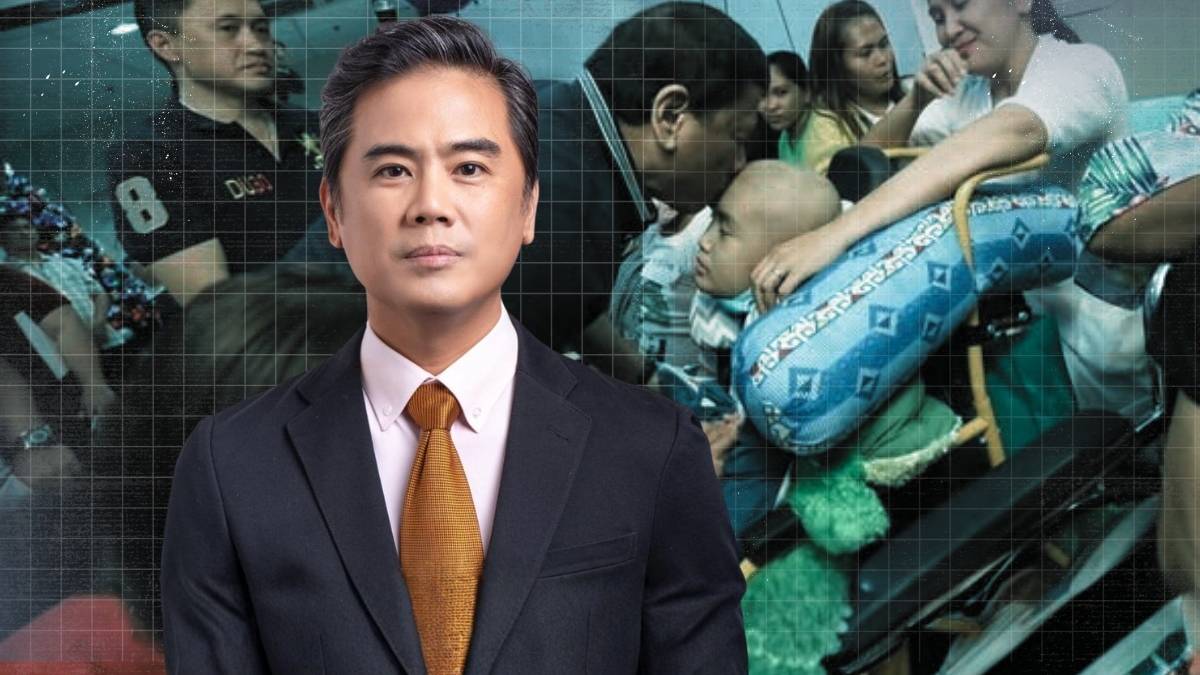
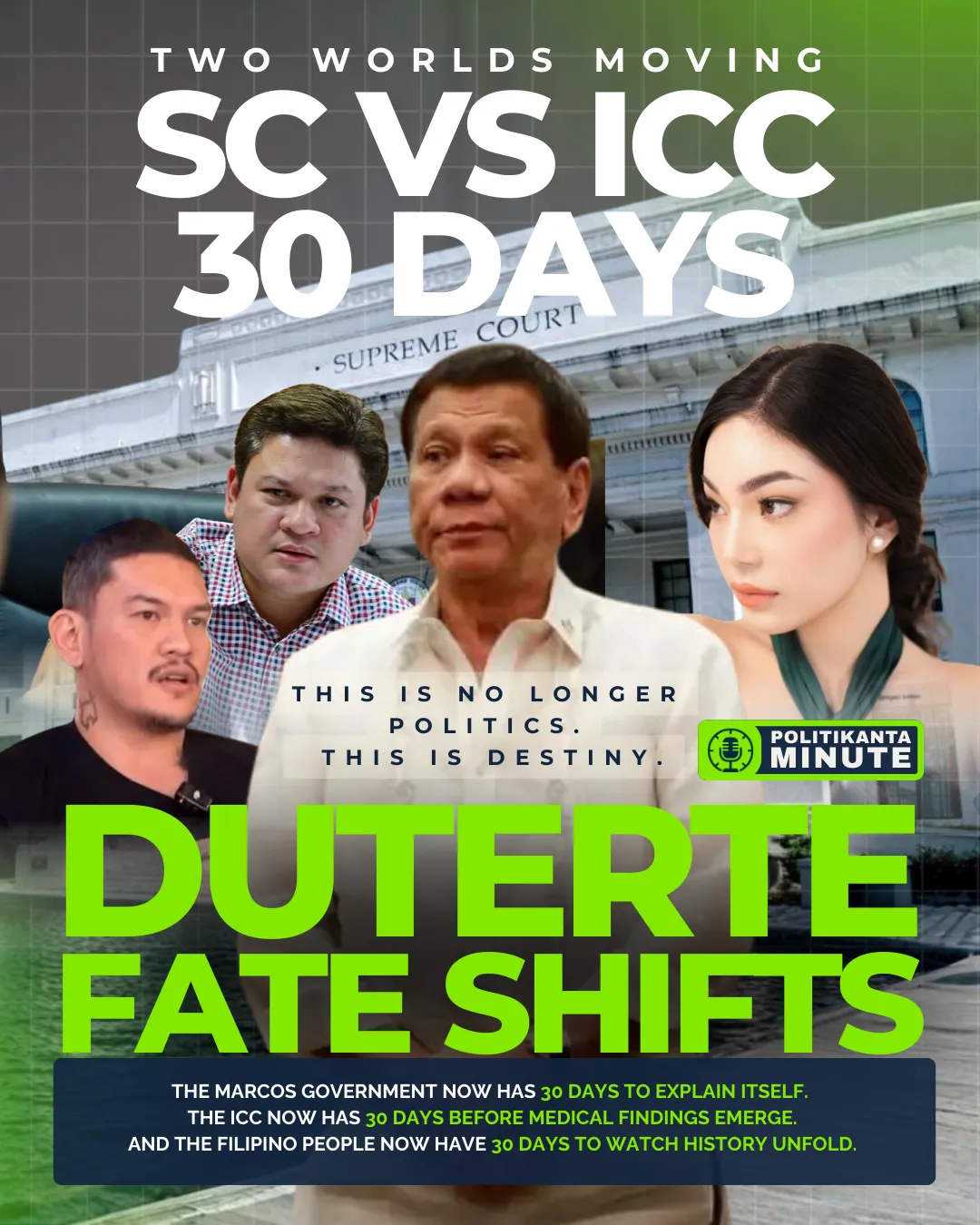
Singer-lawyer Jimmy Bondoc publicly expressed strong support for former President Rodrigo Duterte amid renewed discussions surrounding proceedings at the International Criminal Court.
Bondoc stated that Duterte “loved the poor and loved the children,” adding that the former president dedicated his life to serving Filipinos. According to him, ordinary citizens already know this in their hearts.
“Rody Duterte loved the poor, and loved the children. He gave his life to them… Every Filipino knows this.”
The remarks surfaced at a time when conversations about the ICC investigation into alleged extrajudicial killings (EJKs) during the anti-drug campaign continue to shape national debate.
Duterte’s presidency remains one of the most polarizing chapters in modern Philippine politics. Supporters credit him with confronting crime, reshaping law-and-order priorities, and speaking bluntly on behalf of ordinary citizens.
Critics argue that the anti-drug campaign resulted in serious human rights concerns — allegations that are part of the ICC’s ongoing examination.
Bondoc’s statement does not address legal specifics. Instead, it frames Duterte’s leadership through a moral and emotional lens: compassion for the marginalized and concern for the youth.
For many in the Agila community, this resonates deeply. They recall images of Duterte visiting communities, speaking directly to families, and positioning himself as a protector figure.
Political loyalty often grows from policy — but it is sustained by perception.
Supporters interpret Duterte’s tough rhetoric as protective strength rather than aggression. They see decisiveness as necessary in a country battling illegal drugs and systemic poverty.
Bondoc’s phrasing — “he gave his life to them” — suggests sacrifice. Whether symbolic or literal, that framing reinforces the narrative of a leader willing to endure personal consequences for what he believed was right.
Yet, it is also important to emphasize: admiration and accountability are not mutually exclusive. A democratic society must hold space for both gratitude and scrutiny.
The ICC proceedings remain a legal matter. Allegations must be examined through evidence, testimony, and due judicial process.
In political discourse, however, perception often runs ahead of court decisions.
Bondoc’s message appeals not to legal argument but to collective memory — “alam ito ng bawat mamamayan.”
But in truth, public opinion is not monolithic. Filipinos hold diverse experiences and interpretations of Duterte’s leadership.
As Scripture reminds us:
“The simple believeth every word: but the prudent man looketh well to his going.” — Proverbs 14:15 (KJV)
Wisdom requires both heart and discernment.
In the Philippines, court cases trend on social media faster than official rulings.
One side says “Hero.”
The other says “Human Rights.”
Meanwhile, history is still buffering. 📡
Leadership leaves marks — some praised, some questioned.
Supporters will continue to defend Duterte’s legacy.
Critics will continue to challenge it.
Institutions will continue to process it.
But ultimately, the strength of the nation does not depend on one leader alone — it depends on citizens who think critically, pray sincerely, and seek truth consistently.
🦅 Stay vigilant. Stay informed. Stay grounded.



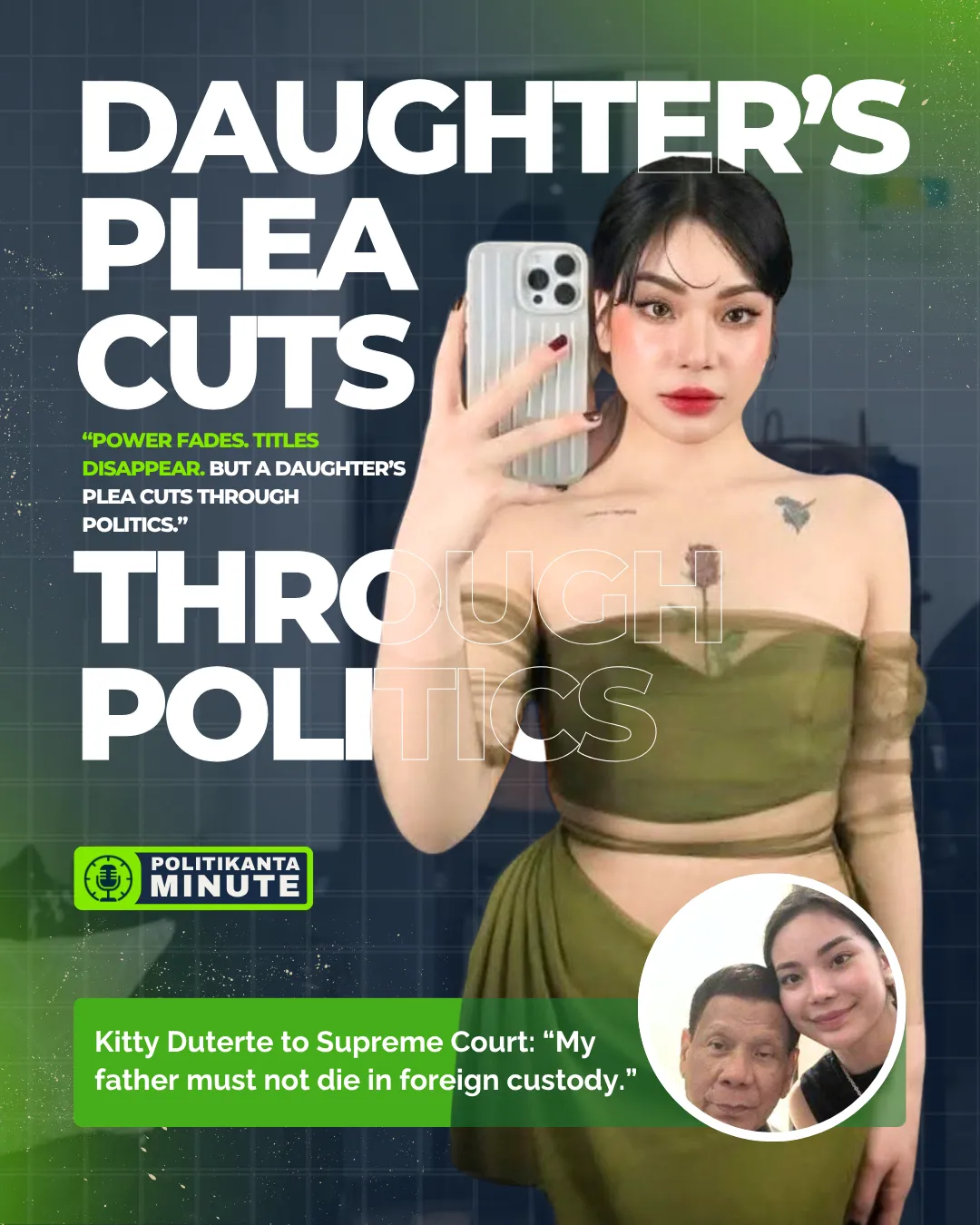


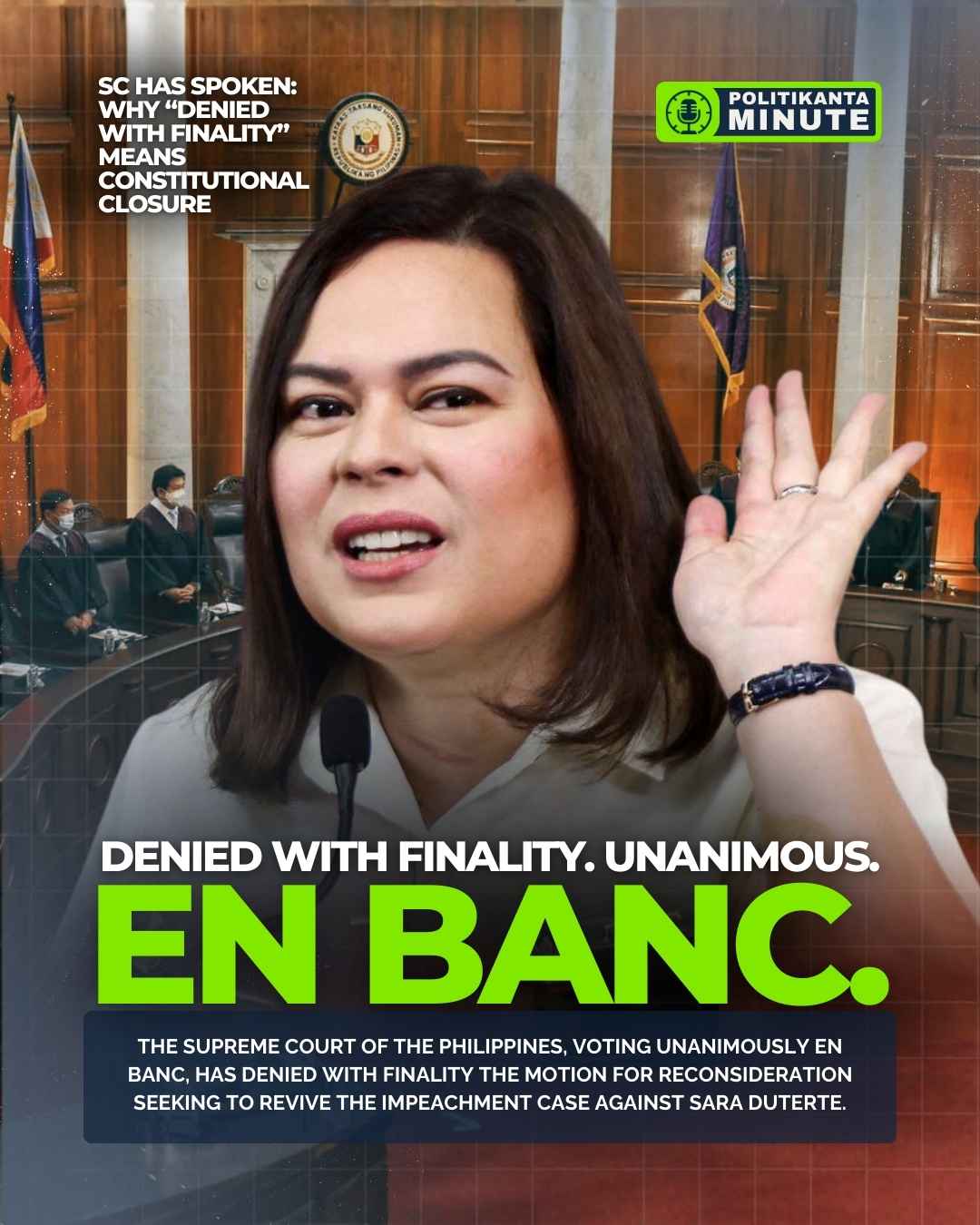
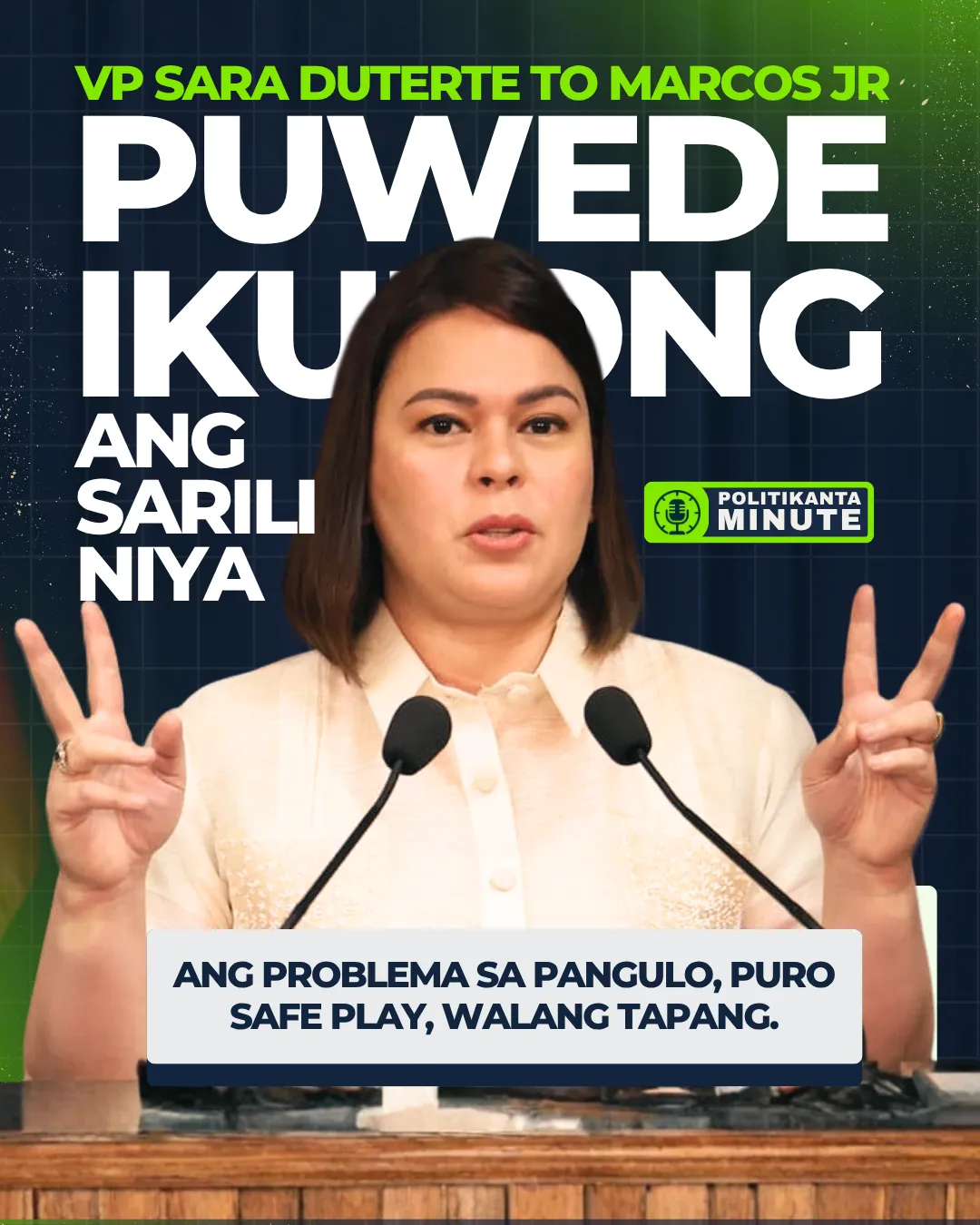


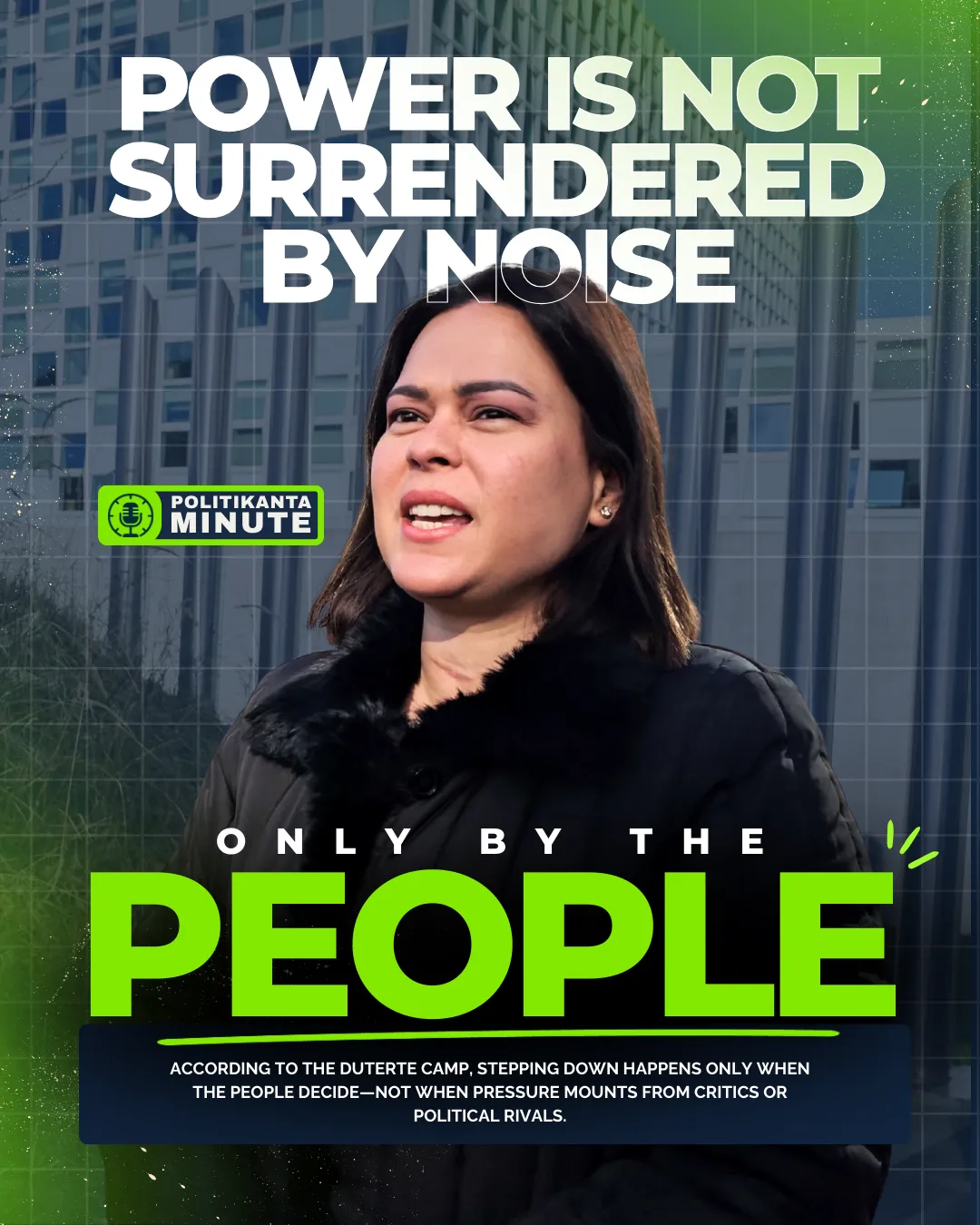

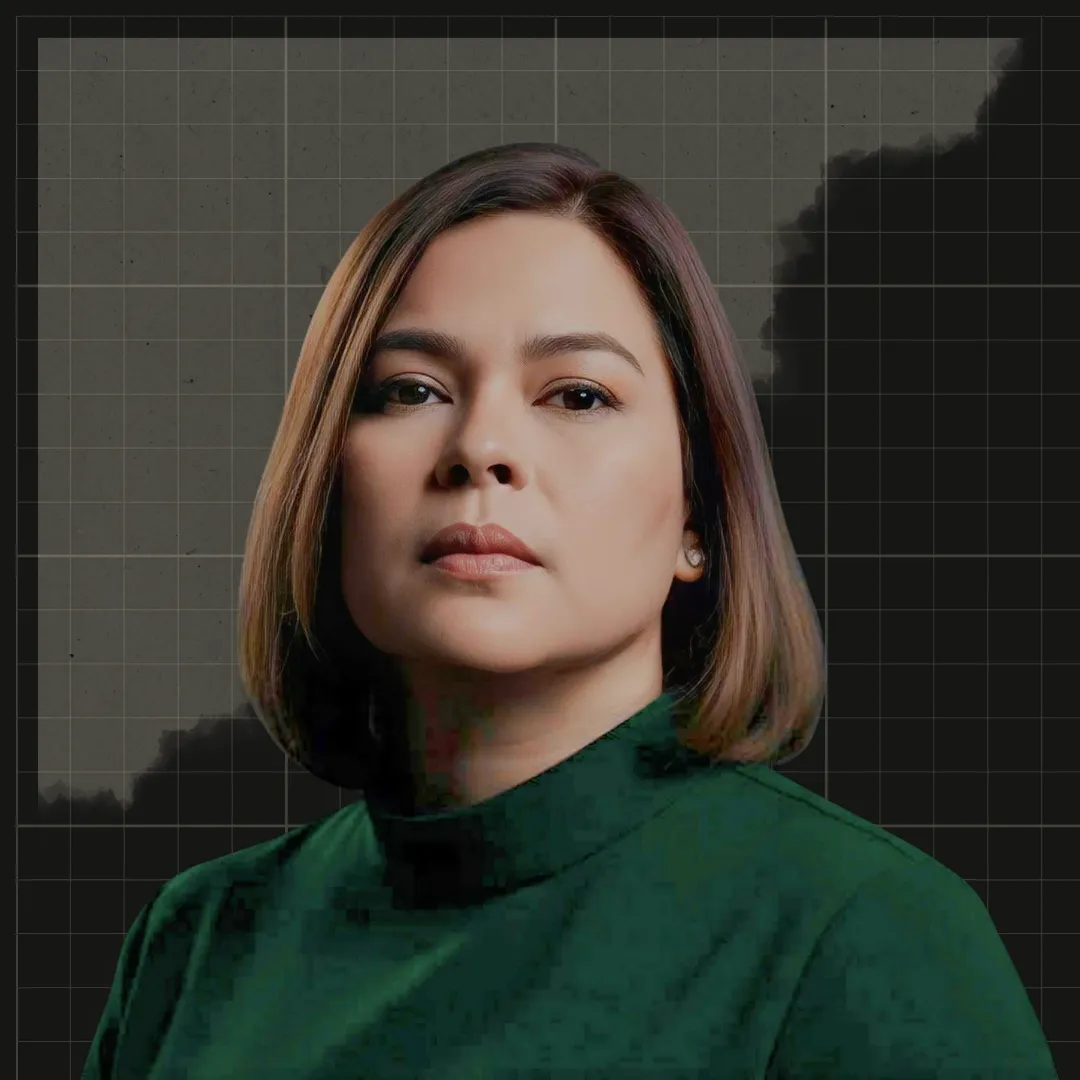
Darryl Yap’s recent post about Vice President Sara Duterte struck a chord online, amassing thousands of comments and shares. His words painted a portrait of resilience: “Nagtitiwala, tumulong, tinraydor, siniraan, patuloy na pinahihirapan.”
For her supporters, Sara Duterte is not just a political figure — she is a daughter honoring her father’s legacy, and a leader standing up for the country amidst criticism and betrayal.
The post frames her as a defender of the nation, ready to battle what Yap describes as the “pulang halimaw na umuuto ng rosas,” a direct jab at political rivals. This strong imagery highlights how polarized Philippine politics has become — where allegiances, narratives, and symbols are constantly weaponized.
But beyond the rhetoric lies the bigger question: Can Sara Duterte truly rise above political attacks and prove herself as a unifying leader, or will she remain trapped in the cycle of partisan battles?
As the political landscape heats up, one thing remains clear — Sara Duterte continues to be a central figure in shaping the nation’s political future.
💭 What’s your take? Is Sara Duterte the resilient leader her supporters believe her to be — or just another political personality caught in the storm?


Disclaimer: This site uses publicly available images and materials for news, satire, and commentary. All rights belong to their respective owners. No copyright infringement intended.
© 2025 Politikanta Minute. All Rights Reserved.
Political Commentary • Satire • Faith-Based Reflection
Some visuals may be AI-generated for satire and illustration. Not real footage unless stated.
Disclaimer: This site uses publicly available images and materials for news, satire, and commentary. All rights belong to their respective owners. No copyright infringement intended.
© 2025 Politikanta Minute. All Rights Reserved.
Political Commentary • Satire • Faith-Based Reflection
Some visuals may be AI-generated for satire and illustration. Not real footage unless stated.
