
Mandaluyong City
COURTESY CALL OF H.E. SARAH HULTON, OBE
Tap to view
👁
Mandaluyong City

Your support keeps independent commentary alive.
☕ Buy us a coffee and keep the conversation going


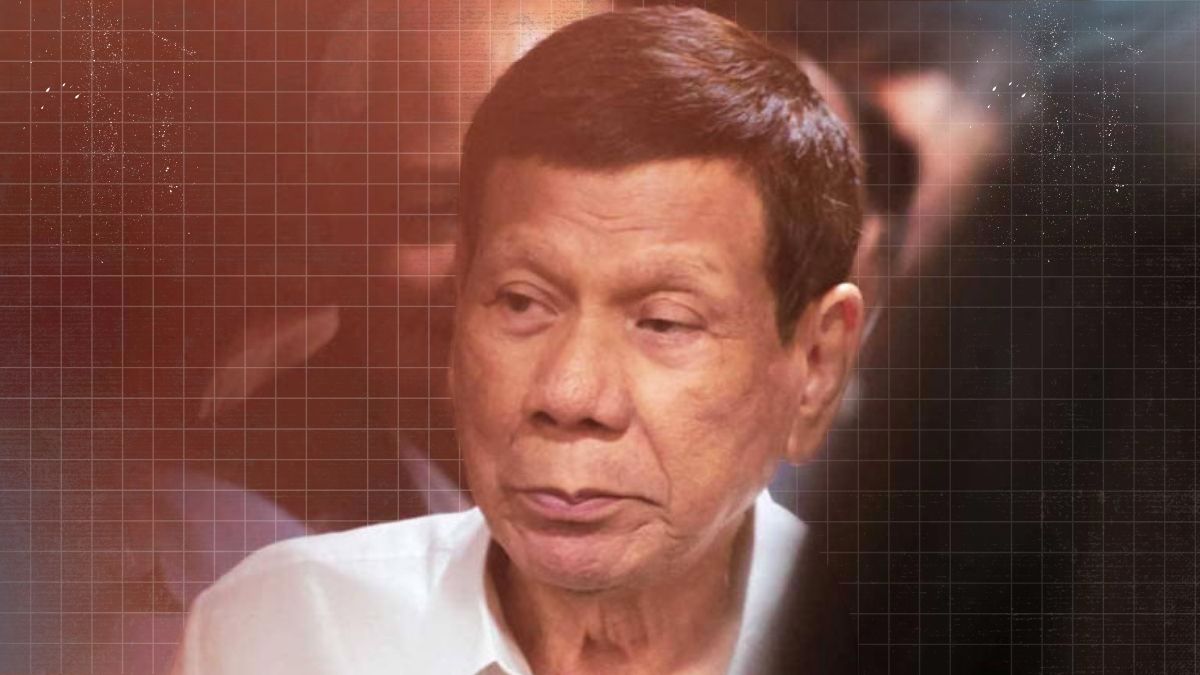
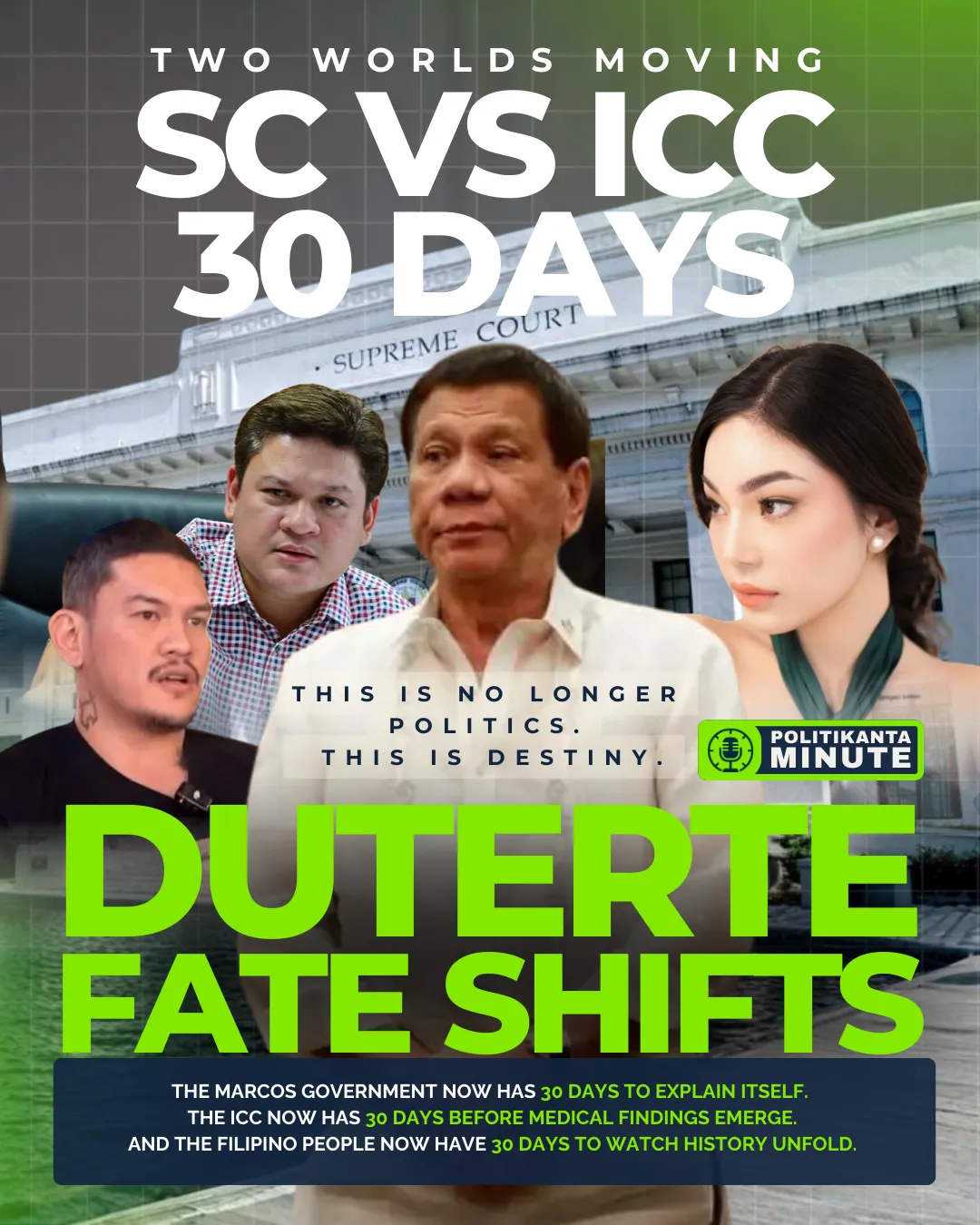
Former President Rodrigo Duterte has formally requested the International Criminal Court (ICC) to disqualify lawyers representing alleged victims in the case connected to his administration’s anti-drug campaign.
The motion was filed ahead of the scheduled confirmation of charges hearing, where ICC judges will determine whether the prosecution has presented sufficient evidence for the case to proceed to full trial.
According to reports, Duterte’s legal team is questioning the eligibility or propriety of certain lawyers representing drug war victims in the proceedings. While the detailed legal arguments have not been fully outlined in public summaries, such motions typically involve concerns such as:
Conflict of interest
Questions about impartiality
Compliance with ICC accreditation standards
Alleged procedural irregularities
The ICC will review the request under its Rules of Procedure and Evidence before issuing a ruling.
At this stage, the lawyers in question remain recognized representatives unless the court decides otherwise.
The ICC differs from many domestic court systems because it allows victims to participate in proceedings independently of the prosecution.
Recognized victims may:
Submit views and concerns
Be represented by legal counsel
Participate in certain stages of hearings
However, victim participation is regulated. Lawyers representing victims must meet professional and ethical standards set by the ICC.
A motion seeking disqualification does not determine guilt or innocence. It asks the court to evaluate representation rules.
The confirmation of charges hearing is a crucial threshold stage in ICC proceedings.
During this hearing:
The prosecution outlines the charges and evidence.
The defense challenges the sufficiency of that evidence.
Judges determine whether the legal threshold is met for trial.
If the chamber finds insufficient grounds, the case may not proceed. If the threshold is satisfied, the matter advances to full trial.
The disqualification request could influence how victim perspectives are presented during this phase, though the prosecution remains the primary party advancing charges.
Motions to disqualify counsel are not unusual in complex or high-profile legal proceedings. Defense teams often file such motions to ensure strict adherence to procedural safeguards.
From a legal standpoint, the strategy may aim to:
Protect the accused’s fair trial rights
Clarify boundaries of representation
Prevent potential procedural complications later
Whether the ICC finds merit in the arguments will depend on its independent review.
International criminal proceedings involve multiple layers of rights:
The accused’s right to a fair and impartial process
Victims’ rights to participate
The prosecution’s mandate to present evidence
Judicial oversight to ensure neutrality
The ICC must balance these interests carefully.
Any decision on the disqualification motion will likely address fairness, procedural integrity, and compliance with court standards.
The case stems from allegations connected to Duterte’s anti-drug campaign during his presidency. It has drawn both domestic and international attention, raising debates on jurisdiction, sovereignty, and accountability.
However, the present motion concerns procedural representation — not the substance of the charges themselves.
Legal observers emphasize that procedural rulings can shape the structure of hearings, but they do not determine final outcomes.
The ICC Pre-Trial Chamber may:
Deny the motion and allow the lawyers to continue representation
Request further clarification
Partially grant the motion
Fully disqualify the lawyers if grounds are established
Until the chamber issues a ruling, proceedings continue under existing recognition.
Court processes move deliberately, particularly in international cases.
Scripture offers perspective relevant to legal caution:
“It is not good to show partiality in judgment.” — Proverbs 24:23
Procedural challenges are examined not through public debate, but through written submissions and judicial reasoning.
Duterte’s request to disqualify lawyers representing drug war victims is a procedural move within the ICC framework.
It does not resolve the case. It does not determine liability.
It asks the court to examine representation standards before proceeding to the confirmation stage.
The ICC’s ruling will clarify how victim participation continues in the upcoming hearings.
For now, the matter remains under judicial review.



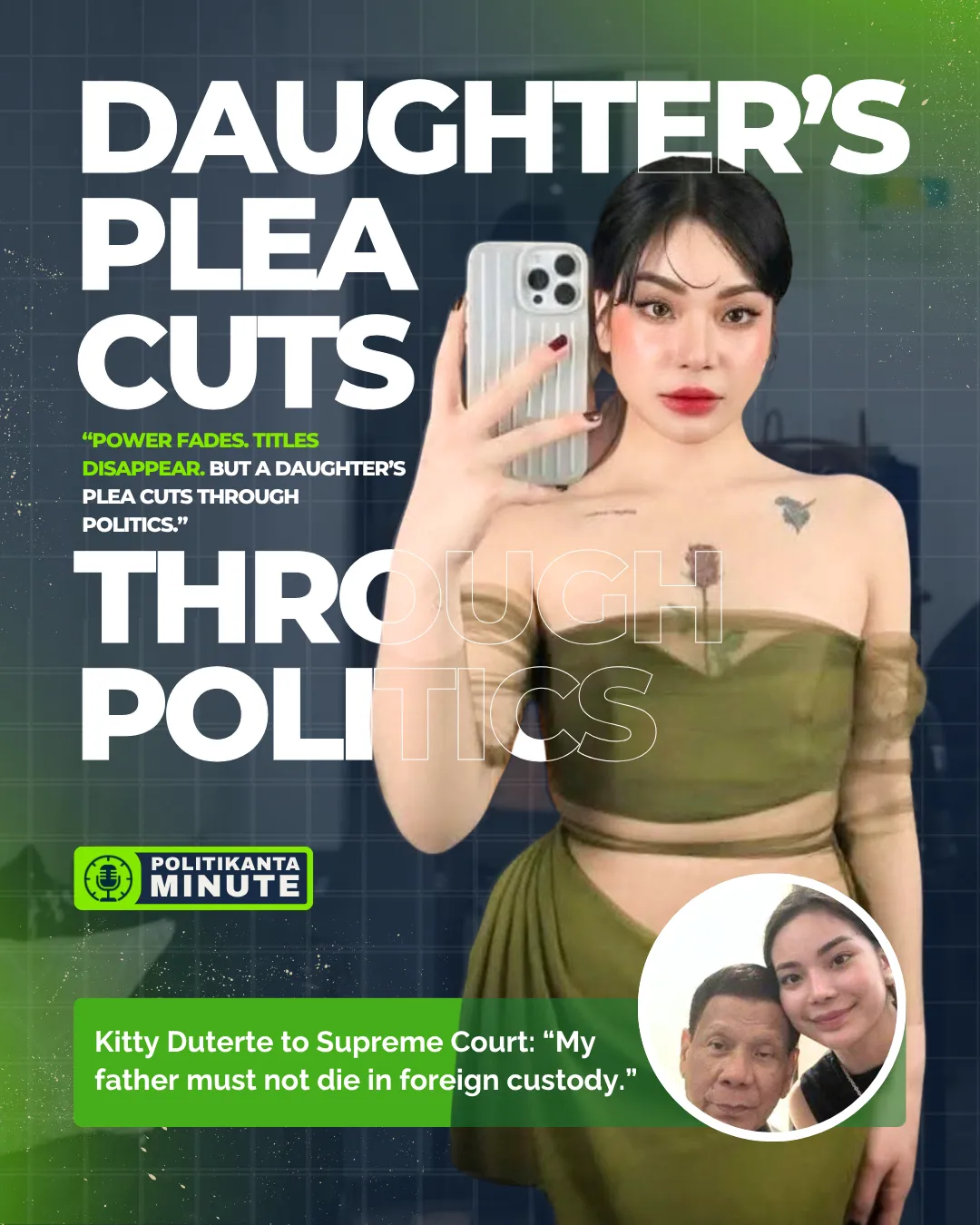
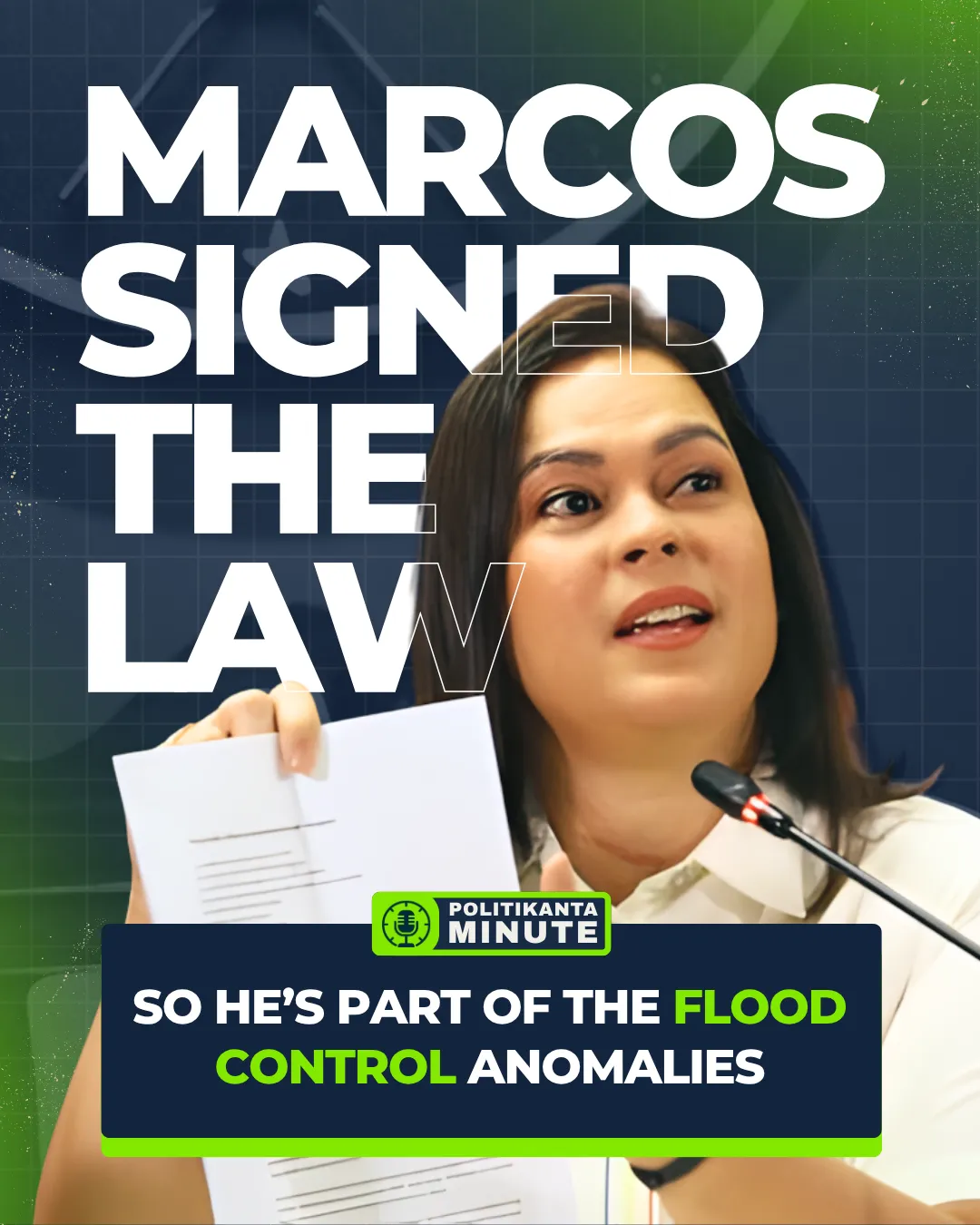

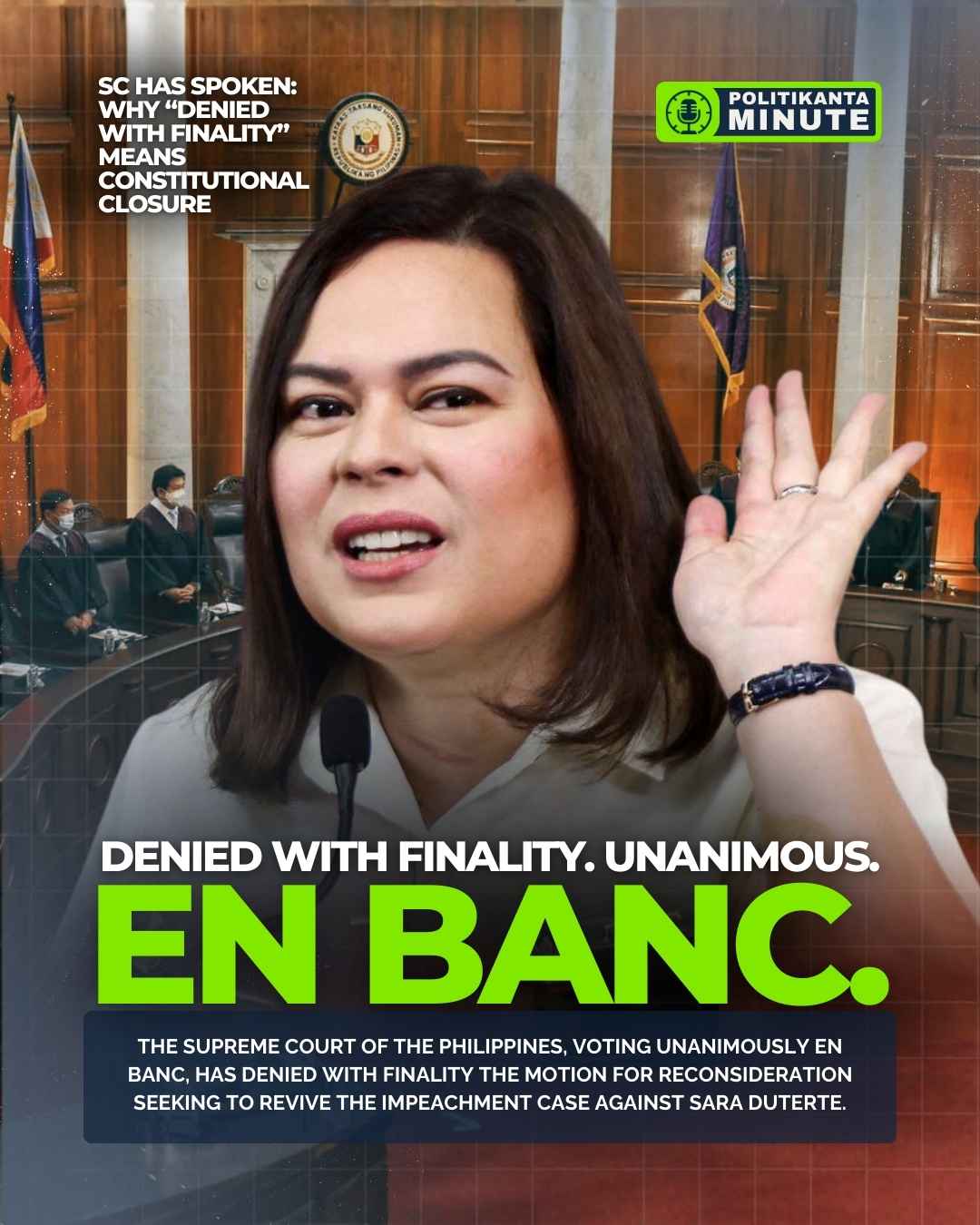
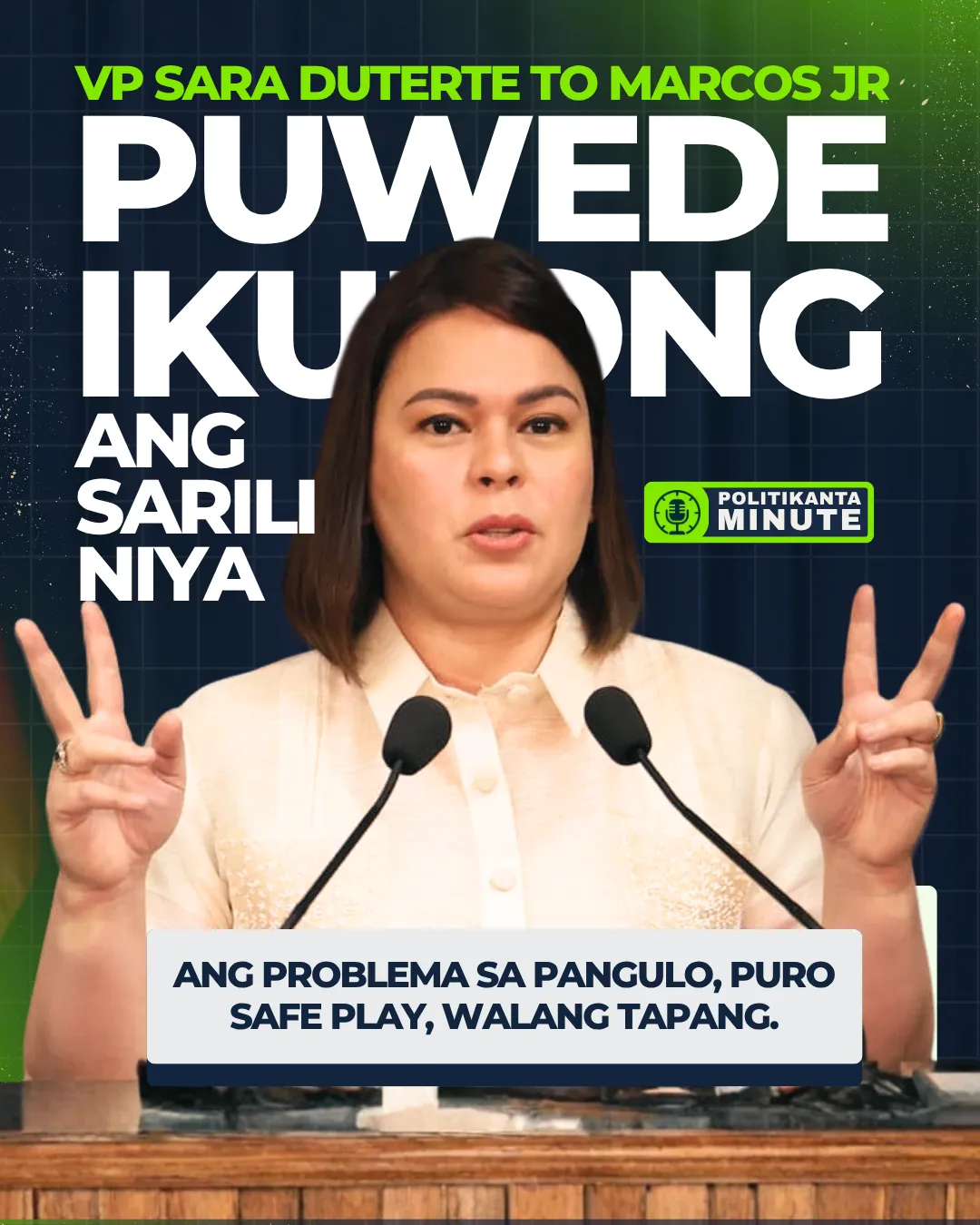


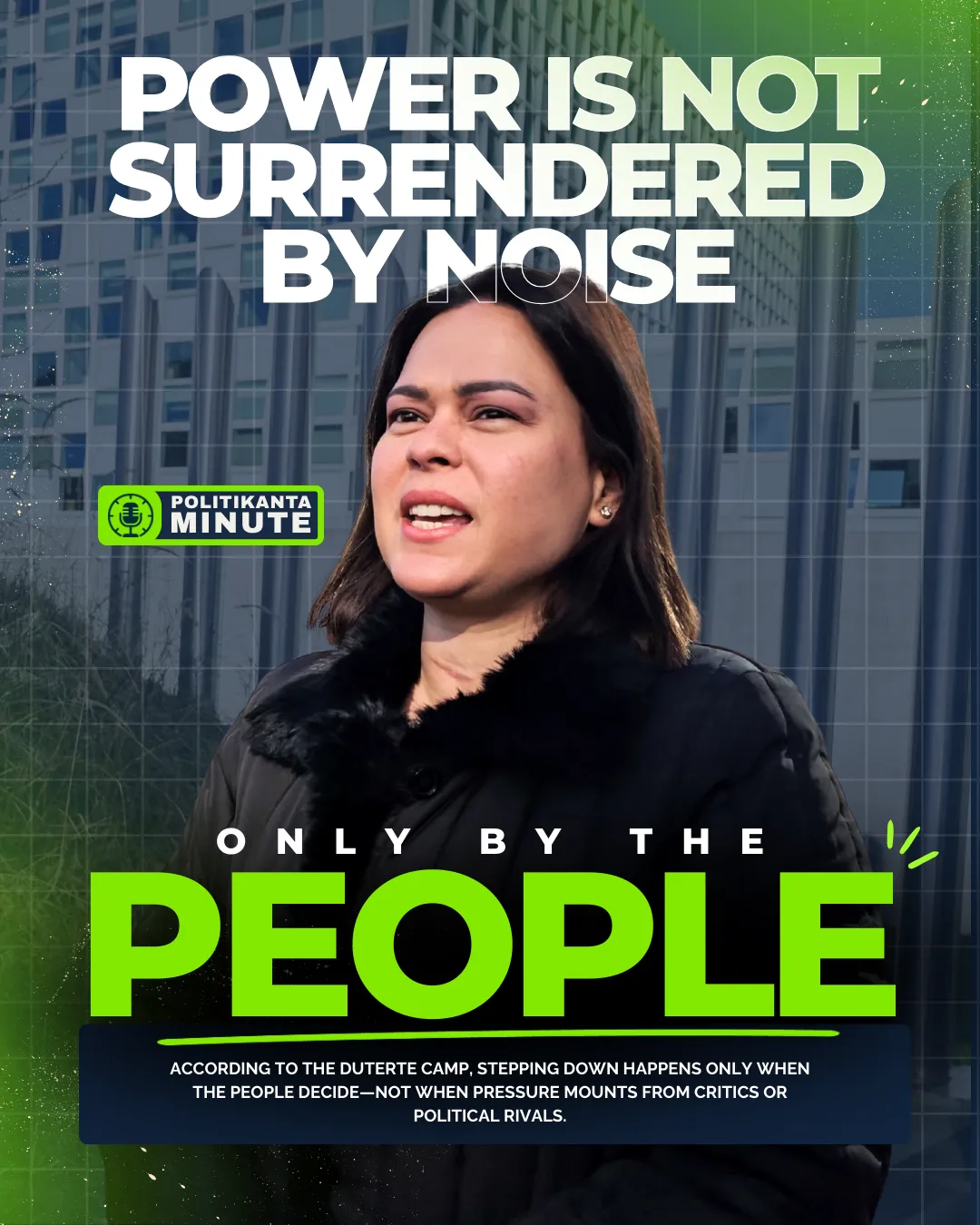

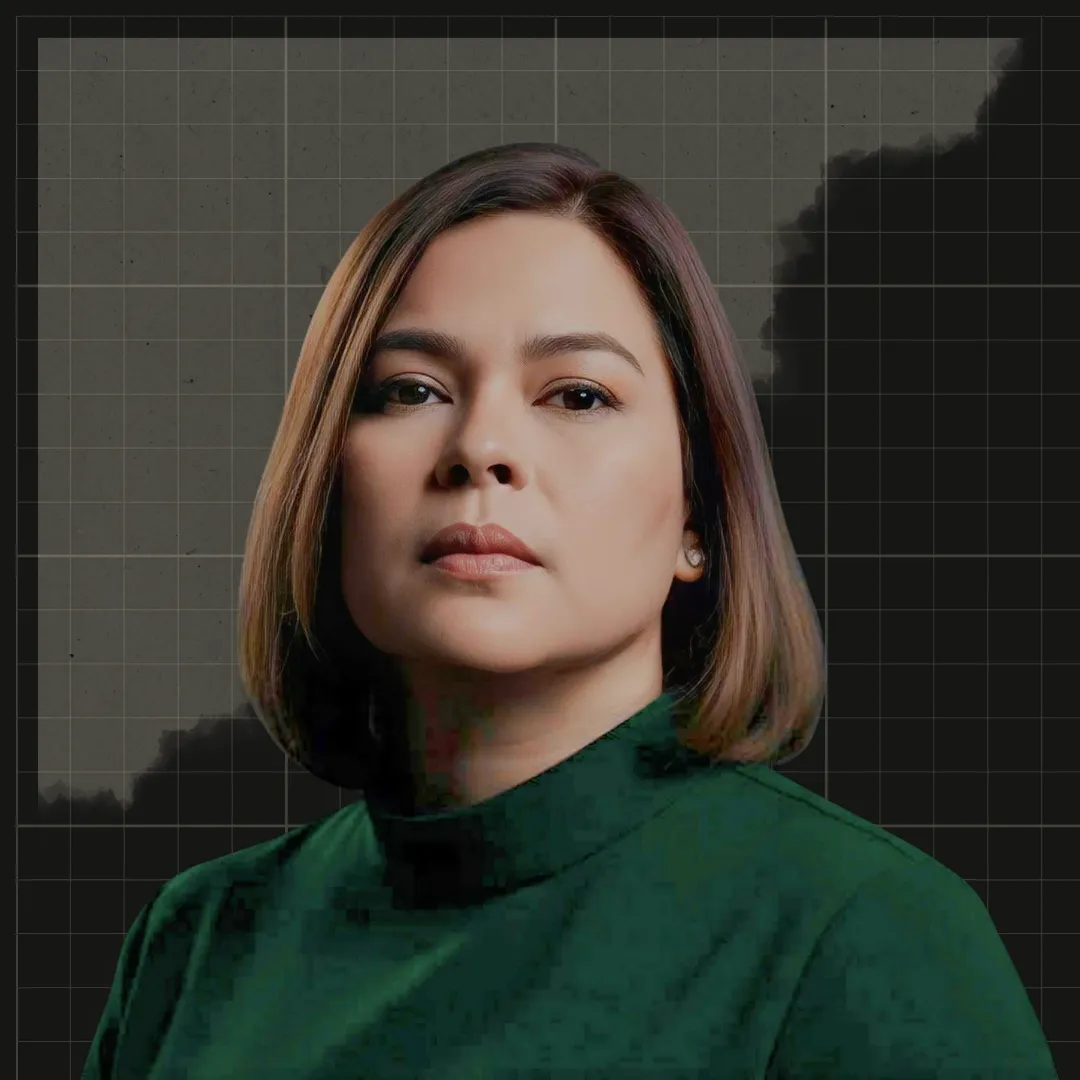
Darryl Yap’s recent post about Vice President Sara Duterte struck a chord online, amassing thousands of comments and shares. His words painted a portrait of resilience: “Nagtitiwala, tumulong, tinraydor, siniraan, patuloy na pinahihirapan.”
For her supporters, Sara Duterte is not just a political figure — she is a daughter honoring her father’s legacy, and a leader standing up for the country amidst criticism and betrayal.
The post frames her as a defender of the nation, ready to battle what Yap describes as the “pulang halimaw na umuuto ng rosas,” a direct jab at political rivals. This strong imagery highlights how polarized Philippine politics has become — where allegiances, narratives, and symbols are constantly weaponized.
But beyond the rhetoric lies the bigger question: Can Sara Duterte truly rise above political attacks and prove herself as a unifying leader, or will she remain trapped in the cycle of partisan battles?
As the political landscape heats up, one thing remains clear — Sara Duterte continues to be a central figure in shaping the nation’s political future.
💭 What’s your take? Is Sara Duterte the resilient leader her supporters believe her to be — or just another political personality caught in the storm?


Disclaimer: This site uses publicly available images and materials for news, satire, and commentary. All rights belong to their respective owners. No copyright infringement intended.
© 2025 Politikanta Minute. All Rights Reserved.
Political Commentary • Satire • Faith-Based Reflection
Some visuals may be AI-generated for satire and illustration. Not real footage unless stated.
Disclaimer: This site uses publicly available images and materials for news, satire, and commentary. All rights belong to their respective owners. No copyright infringement intended.
© 2025 Politikanta Minute. All Rights Reserved.
Political Commentary • Satire • Faith-Based Reflection
Some visuals may be AI-generated for satire and illustration. Not real footage unless stated.
