Mandaluyong City
COURTESY CALL OF H.E. SARAH HULTON, OBE
Tap to view
👁
Mandaluyong City

Your support keeps independent commentary alive.
☕ Buy us a coffee and keep the conversation going



Economic concerns tied to rising global oil prices and Middle East tensions are once again becoming a major national discussion after reports revealed that the Asian Development Bank (ADB) has offered up to ₱98 billion in crisis financing support to the administration of Bongbong Marcos.
According to released information, the ADB offered around $1.75 billion — equivalent to nearly ₱98 billion — through policy-based and countercyclical lending programs intended to help the Philippines respond to the economic impact of ongoing instability in the Middle East.
The issue immediately drew attention online because of the scale of the proposed financial assistance and growing public anxiety over fuel prices, inflation, and the country’s debt situation.
Here’s what this really means.
The Philippines remains highly dependent on imported oil and energy-related commodities. That means any major conflict or instability affecting global supply chains — especially in the Middle East — can quickly affect local fuel prices, transportation costs, electricity, and even food prices.
That vulnerability is exactly why the ADB described the Philippines as one of the countries highly exposed to the effects of Middle East tensions.
For ordinary Filipinos, rising oil prices are never just about gasoline alone.
Higher fuel costs eventually affect public transportation, delivery expenses, food distribution, electricity production, and the prices of basic commodities. That ripple effect often places enormous pressure on workers, small businesses, commuters, and low-income families.
This raises a bigger issue.
Should governments rely on massive loans during periods of economic uncertainty?
Supporters of emergency financing argue that crisis loans help stabilize economies, protect public services, and prevent larger disruptions during global emergencies. Countercyclical lending, in particular, is often designed to help governments continue operating during economic shocks.
Critics, however, worry about the long-term consequences of increasing debt obligations — especially at a time when many Filipinos are already concerned about inflation and rising living costs.
That debate intensified online after reports also revealed that an additional $2 billion in policy loans is reportedly being prepared for the Philippines this year.
Why this matters goes beyond economics alone.
The situation reflects how interconnected global crises have become. A conflict thousands of kilometers away can directly affect fuel pumps, market prices, transportation fares, and household expenses in the Philippines within weeks.
That reality explains why the Marcos administration previously declared a state of national energy emergency under Executive Order No. 110 earlier this year due to worsening Middle East tensions and threats to global energy supply.
At the same time, the government also launched the “UPLIFT” response framework aimed at addressing oil price increases and supply disruptions.
For many citizens, however, the biggest concern remains simple:
Will ordinary Filipinos actually feel protection from the economic impact?
That question continues driving public discussions online.
Many citizens understand that emergency financing may sometimes be necessary during global crises. But they also want transparency, clear plans, and assurance that borrowed funds will truly help stabilize prices and support vulnerable sectors.
Because in the end, loans are not just numbers on paper.
Future taxpayers eventually carry the responsibility.
As oil markets remain unstable and geopolitical tensions continue evolving, the Philippines may face increasing economic pressure in the months ahead. Whether these financial measures become effective solutions or future burdens will depend heavily on implementation, accountability, and global developments beyond the country’s control.
One thing is certain:
Filipinos are watching closely — not only because of politics…
—but because every peso increase in fuel prices directly affects daily life.
“The rich ruleth over the poor, and the borrower is servant to the lender.”
This verse reminds people to approach borrowing with wisdom, caution, and responsibility. Financial assistance may help during times of crisis, but long-term stewardship and accountability remain essential. Nations, like individuals, must balance immediate relief with future sustainability.
December 11, 2025•4 min read
Executive Secretary Ralph Recto is now calling for “broad consultation” before Congress discusses President Marcos Jr.’s wish list:
✔ Anti-dynasty law
✔ Independent People’s Commission (IPC)
✔ Transparency reforms
✔ Accountability measures
At first glance, this looks promising —
who wouldn’t want anti-dynasty reforms and accountability?

But the irony is too loud to ignore.
Let’s not kid ourselves.
This administration is led by a clan with:
✔ a sitting President
✔ a Congressman son
✔ influential relatives in key agencies
✔ a First Lady with powerful business-linked connections
✔ political cousins in local and national government
Anti-dynasty law under Marcos 2.0 is like:
“Magpasa tayo ng anti-kurapsyon bill… habang ongoing ang flood-control scandal.”
The contradiction is glaring.
Recto says:
“Broad consultation will result in better laws.”
But Filipinos know this pattern too well:
Raise a noble reform
Spread it across consultations
Form technical working groups
Forward to committees
Send to subcommittees
Stall
Forget
Anti-dynasty bills have been filed since 1987.
Not a single one passed —
because dynasties control the votes.
This administration calling for consultation on anti-dynasty laws is like:
“Let’s ask all smokers whether we should ban cigarettes.”
You already know the answer.
Recto also supports the Independent People’s Commission (IPC) —
which even Palace officials admit may duplicate the functions of the Ombudsman and DOJ.
Bakit ba inuulit-ulit ang ahensyang may kapareho nang trabaho?
The public sees this as:
✔ redirection
✔ optics
✔ dilution of accountability
✔ and a way to sidestep existing institutions
Kung seryoso ang gobyerno, the Ombudsman is already there.
Hindi kailangan ng clone agency.
It’s impossible to ignore the context:
✔ ₱16B flood-control scandal
✔ ₱60B PhilHealth transfer declared illegal
✔ ₱107B PDIC reallocation questioned
✔ Frozen contractor accounts
✔ Ghost dredging projects
✔ Unfinished flood plans
✔ Insertions in the budget
✔ Unprogrammed funds ballooning
Talking about “anti-dynasty law” and “transparency” amid all these issues feels like:
Doctor giving vitamins while the patient is bleeding out.
Duterte never played around with “consultations” when it came to reform.
His style was:
✔ decide
✔ implement
✔ enforce
✔ deliver
No drama.
No poetic speeches.
No contradictory messaging.
Today’s administration uses “consultation” as a buffer zone between promise and paralysis.
“You will know them by their fruits.”
Not by their speeches.
Not by their consultations.
But by the results.

Executive Secretary Ralph Recto recently declared that the Philippines now has the opportunity to build a “mas mabuti, mas malinis, at mas epektibong pamahalaan.”
A beautiful line — almost poetic.
But in a nation drowning in corruption scandals, the public reacted not with applause…
but with a collective raised eyebrow.

Recto’s statement comes at a time when the country is in the middle of the biggest anti-corruption protests since 1986.
Billions allegedly lost in flood control projects.
Ghost contractors.
Kickbacks.
Passport cancellations.
Threats of arrest for protesters.
Flip-flopping statements from the Palace.
And now — a sudden call for a “cleaner” government?
It’s a good message…
but the people have one simple reply:
“Sana all.”
Kung matagal nang may pagkakataon para gumawa ng malinis na gobyerno, bakit ngayon lang lumalabas ang mga deklarasyong ganito?
Bakit parang salita lang, walang tunay na aksyon?
At bakit sa gitna ng pagsabog ng mga kontrobersiya, saka lang nabanggit ang pangarap ng “malinis na pamahalaan”?
The irony isn’t lost on the Filipino people — a government facing scandal now claiming it's time to clean up.
Building a clean government is not about speeches on stage.
It’s about facing the truth…
even if the truth exposes your allies.
It’s about transparency…
even if transparency makes the administration uncomfortable.
It’s about justice…
even if justice reaches high places.
Kung hindi kayang harapin ang big fish, paano ang maliit?
Ralph Recto’s words could have been powerful.
Pero sa panahon ngayon, pagod na ang tao sa salita.
Gusto nila ng galaw.
Gusto nila ng hustisya.
Gusto nila ng tapang — ’yung totoo, hindi scripted.
And so the public replies:
“Kung gusto niyo talagang linisin ang gobyerno, unahin niyo ’yung nasa loob mismo ng Palasyo.”
📖 Isaiah 1:17
“Learn to do right; seek justice. Defend the oppressed.”
True reform begins with courage — the courage to confront sin, even if it exists in your own camp.
This moment is a test:
Will the government finally confront corruption head-on?
Or is this just another line meant to pacify a nation demanding the truth?
The people have awakened.
The youth have marched.
The streets have spoken.
And whether the powerful like it or not,
History is already taking notes.




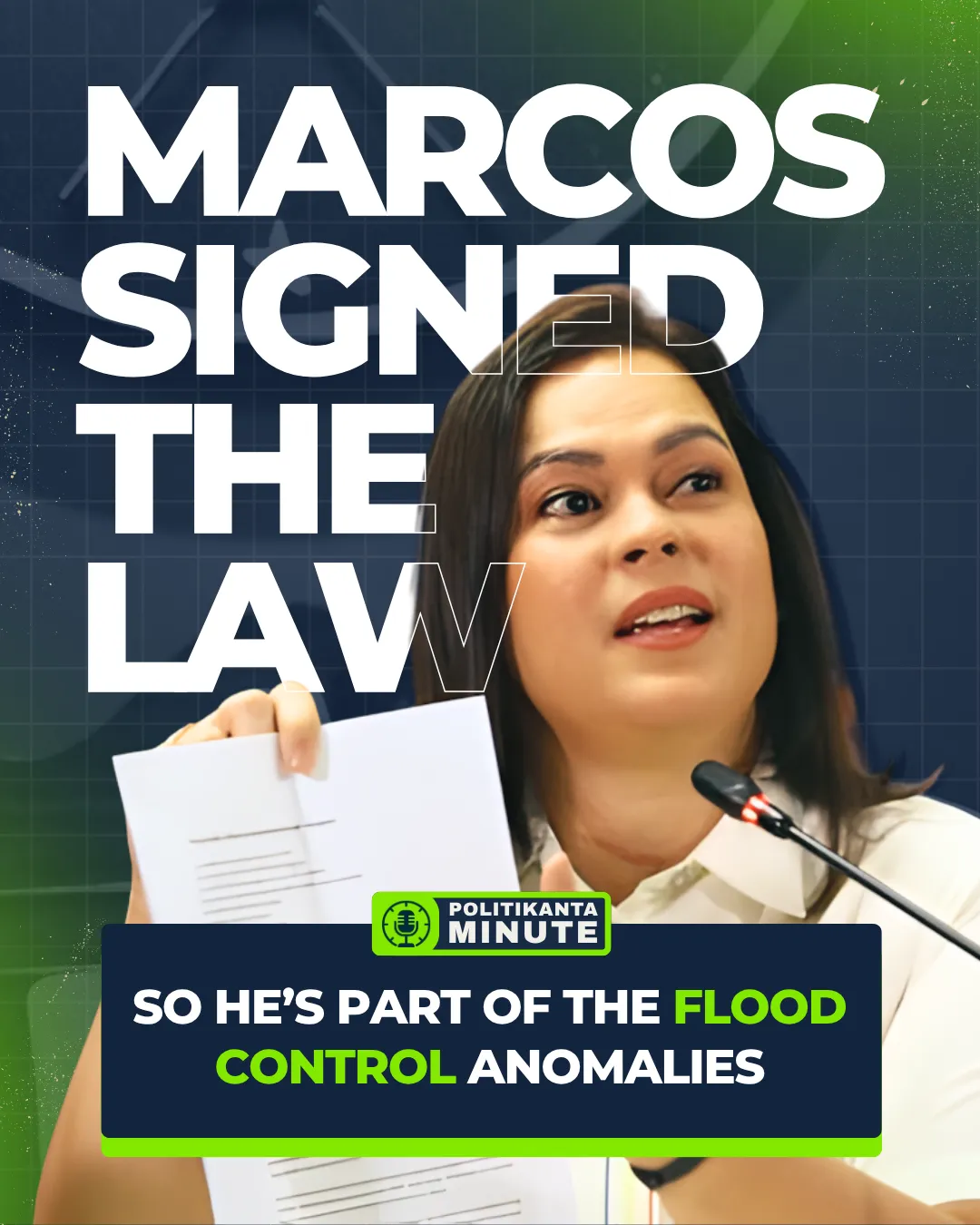

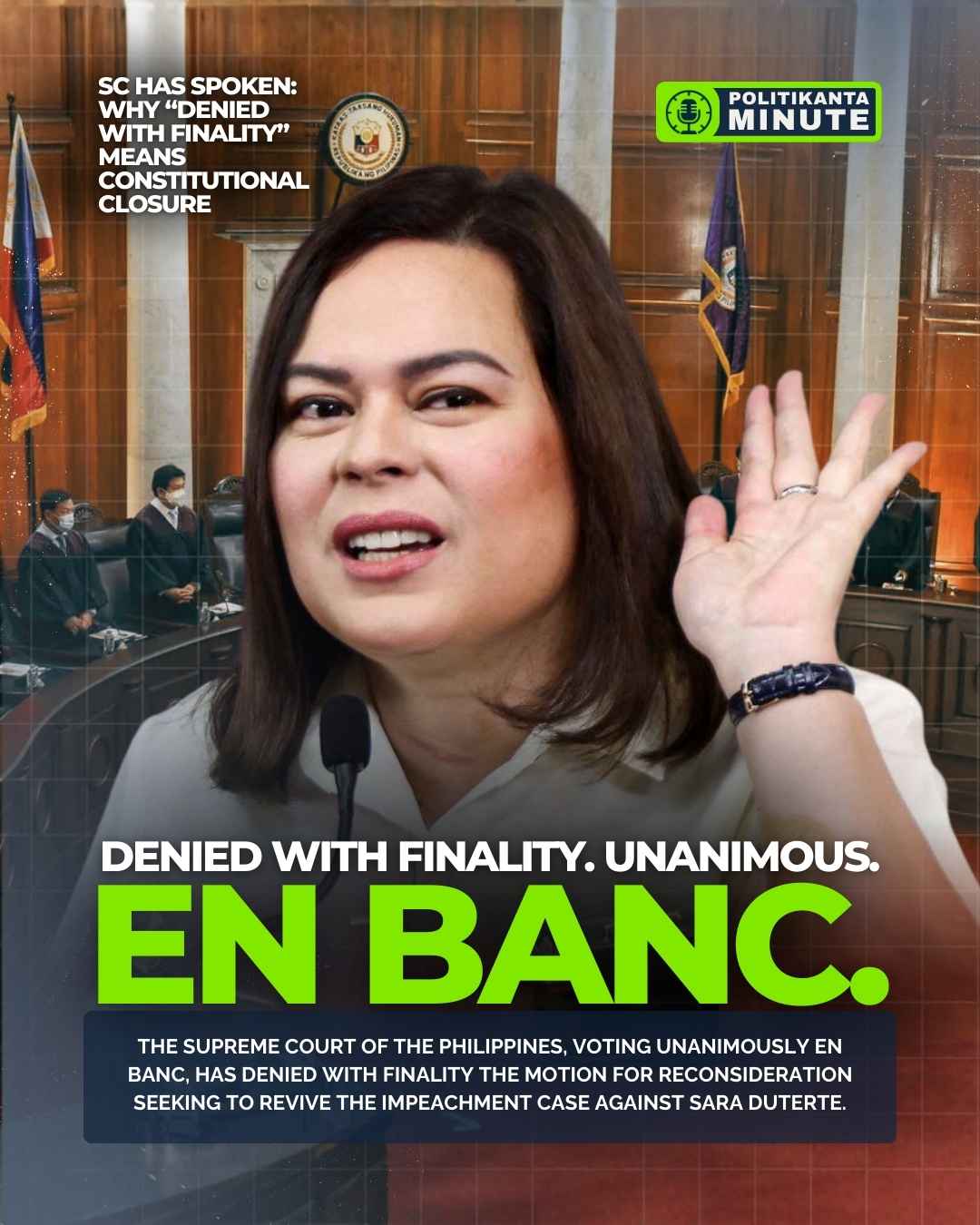



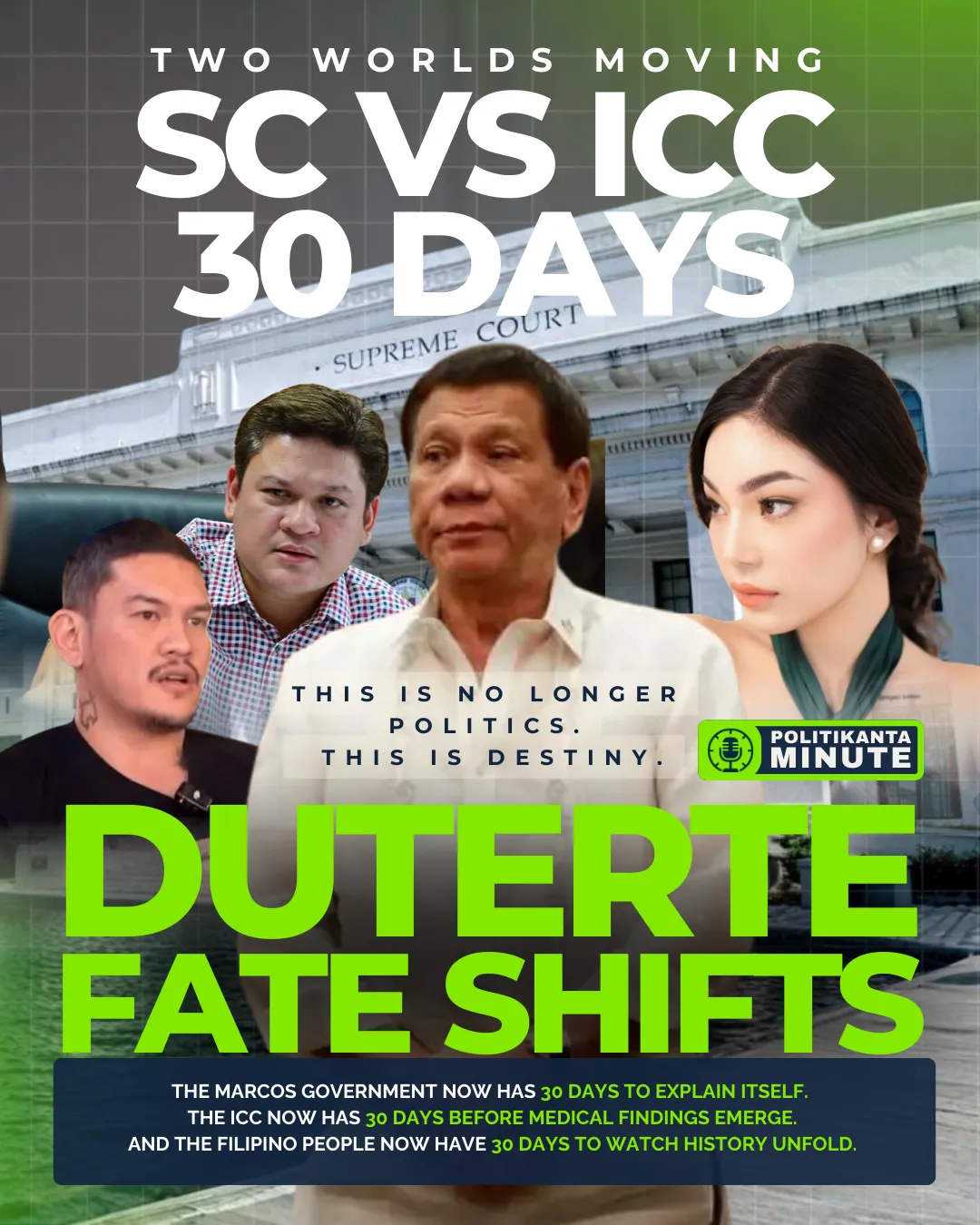
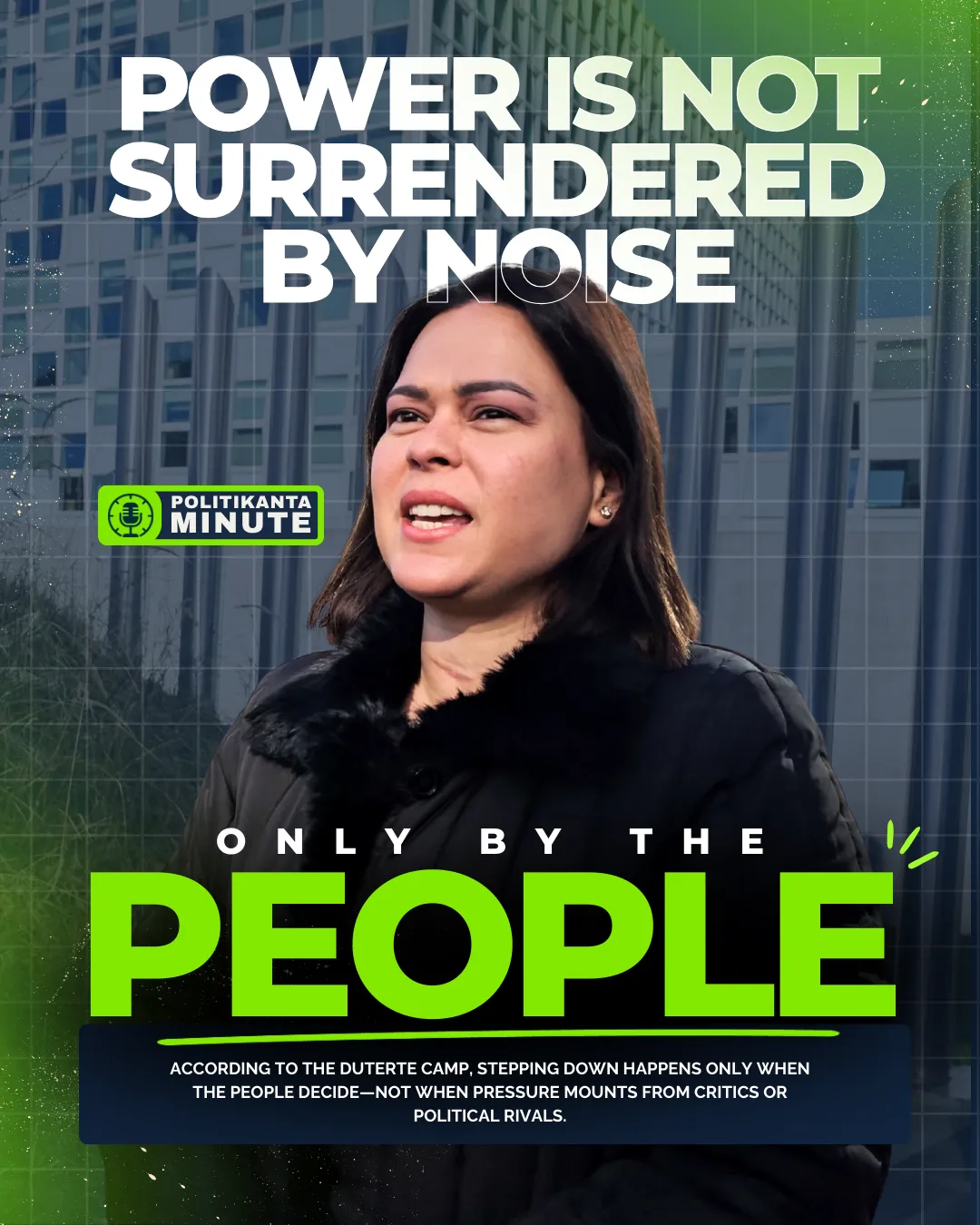



Darryl Yap’s recent post about Vice President Sara Duterte struck a chord online, amassing thousands of comments and shares. His words painted a portrait of resilience: “Nagtitiwala, tumulong, tinraydor, siniraan, patuloy na pinahihirapan.”
For her supporters, Sara Duterte is not just a political figure — she is a daughter honoring her father’s legacy, and a leader standing up for the country amidst criticism and betrayal.
The post frames her as a defender of the nation, ready to battle what Yap describes as the “pulang halimaw na umuuto ng rosas,” a direct jab at political rivals. This strong imagery highlights how polarized Philippine politics has become — where allegiances, narratives, and symbols are constantly weaponized.
But beyond the rhetoric lies the bigger question: Can Sara Duterte truly rise above political attacks and prove herself as a unifying leader, or will she remain trapped in the cycle of partisan battles?
As the political landscape heats up, one thing remains clear — Sara Duterte continues to be a central figure in shaping the nation’s political future.
💭 What’s your take? Is Sara Duterte the resilient leader her supporters believe her to be — or just another political personality caught in the storm?


Disclaimer: This site uses publicly available images and materials for news, satire, and commentary. All rights belong to their respective owners. No copyright infringement intended.
© 2025 Politikanta Minute. All Rights Reserved.
Political Commentary • Satire • Faith-Based Reflection
Some visuals may be AI-generated for satire and illustration. Not real footage unless stated.
Disclaimer: This site uses publicly available images and materials for news, satire, and commentary. All rights belong to their respective owners. No copyright infringement intended.
© 2025 Politikanta Minute. All Rights Reserved.
Political Commentary • Satire • Faith-Based Reflection
Some visuals may be AI-generated for satire and illustration. Not real footage unless stated.